
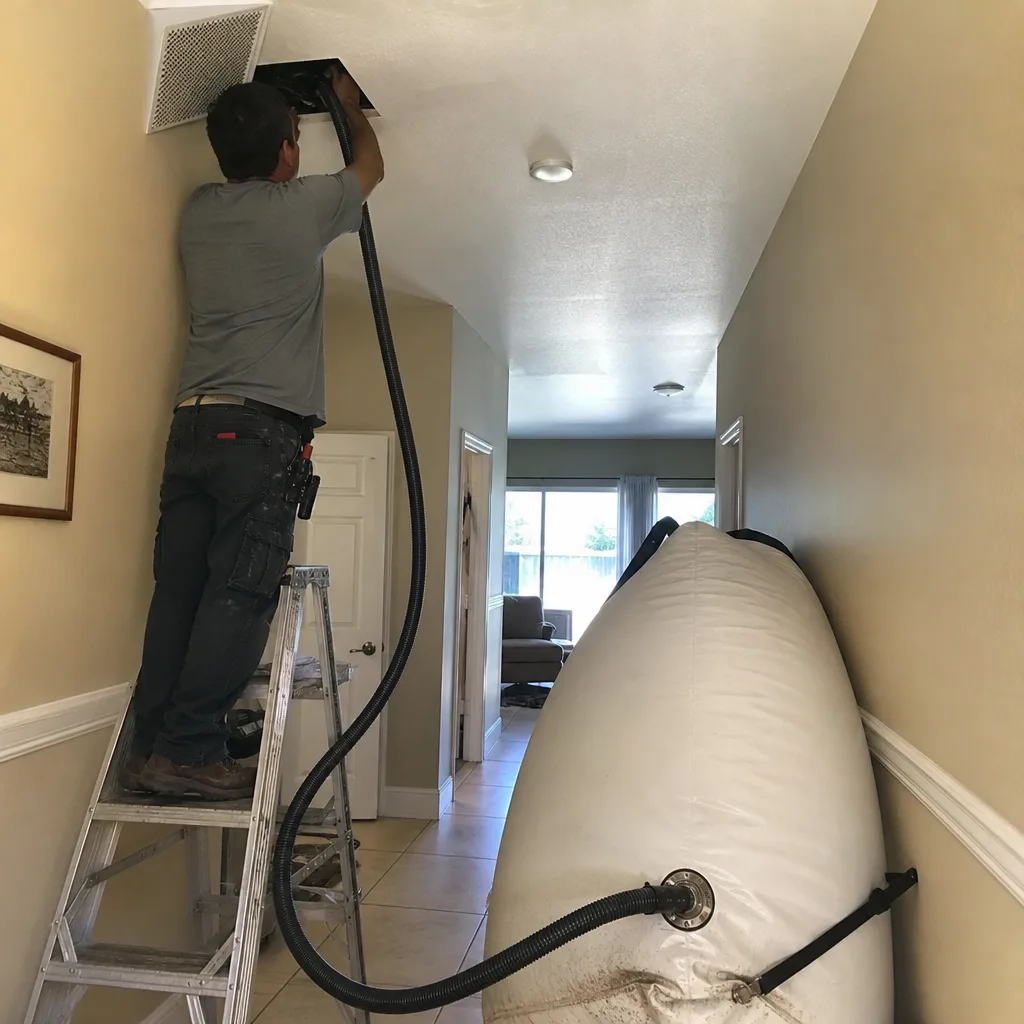
Last updated November 15, 2026
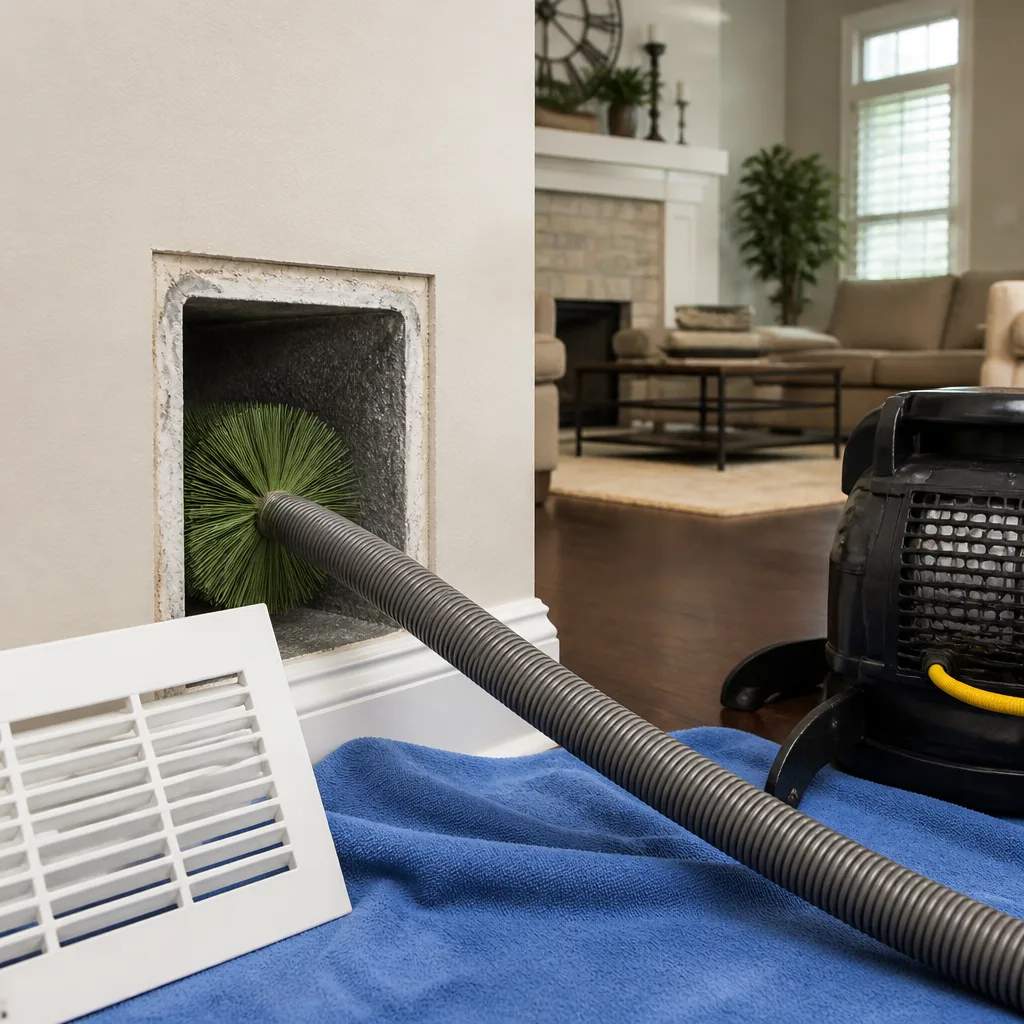 Whole-home duct cleaning
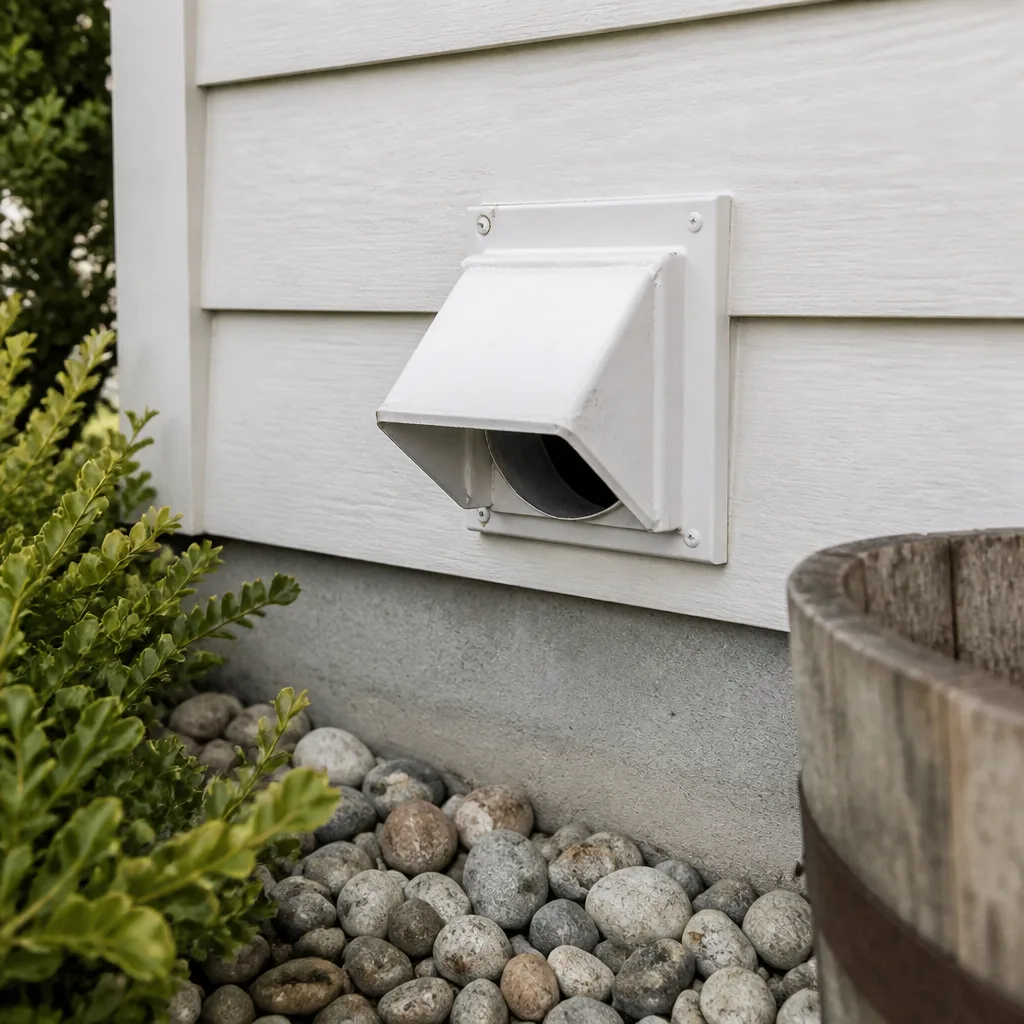 Dryer vent cleaning
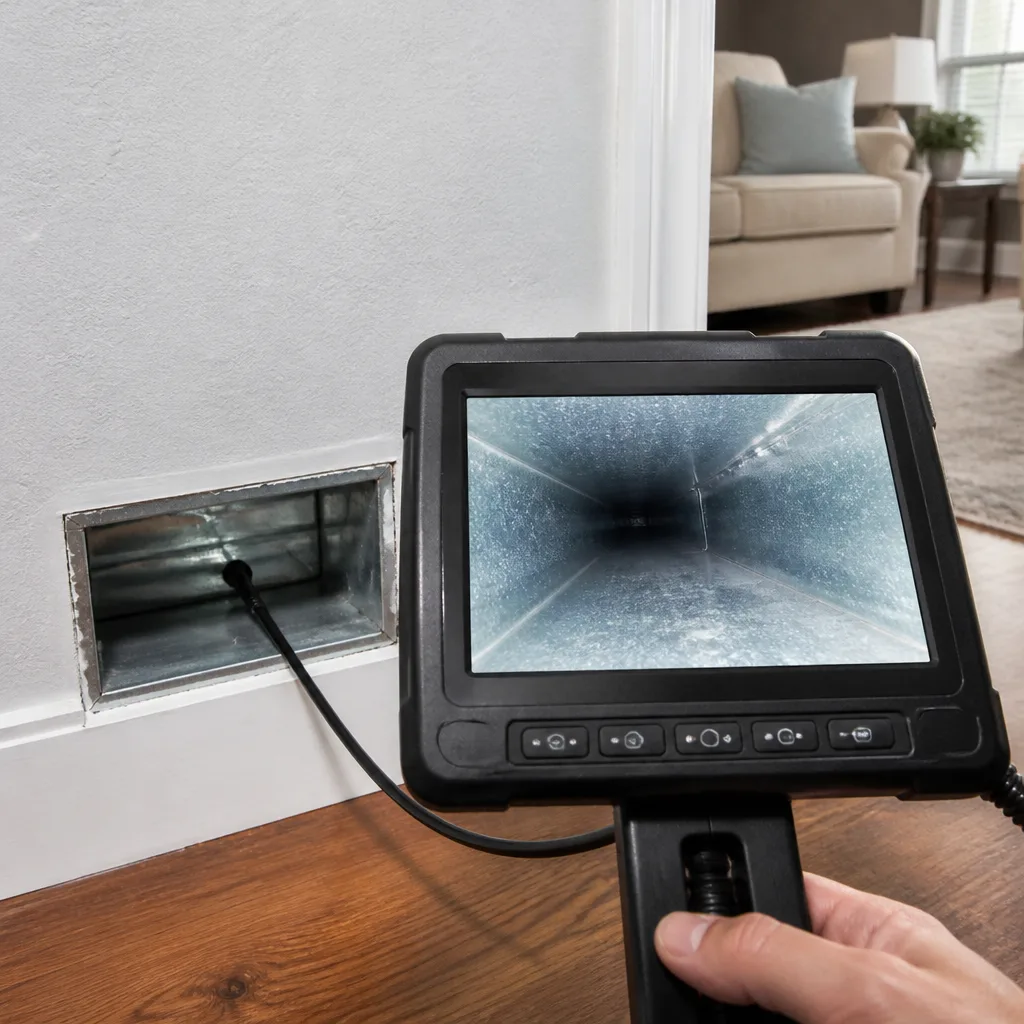 Camera inspection
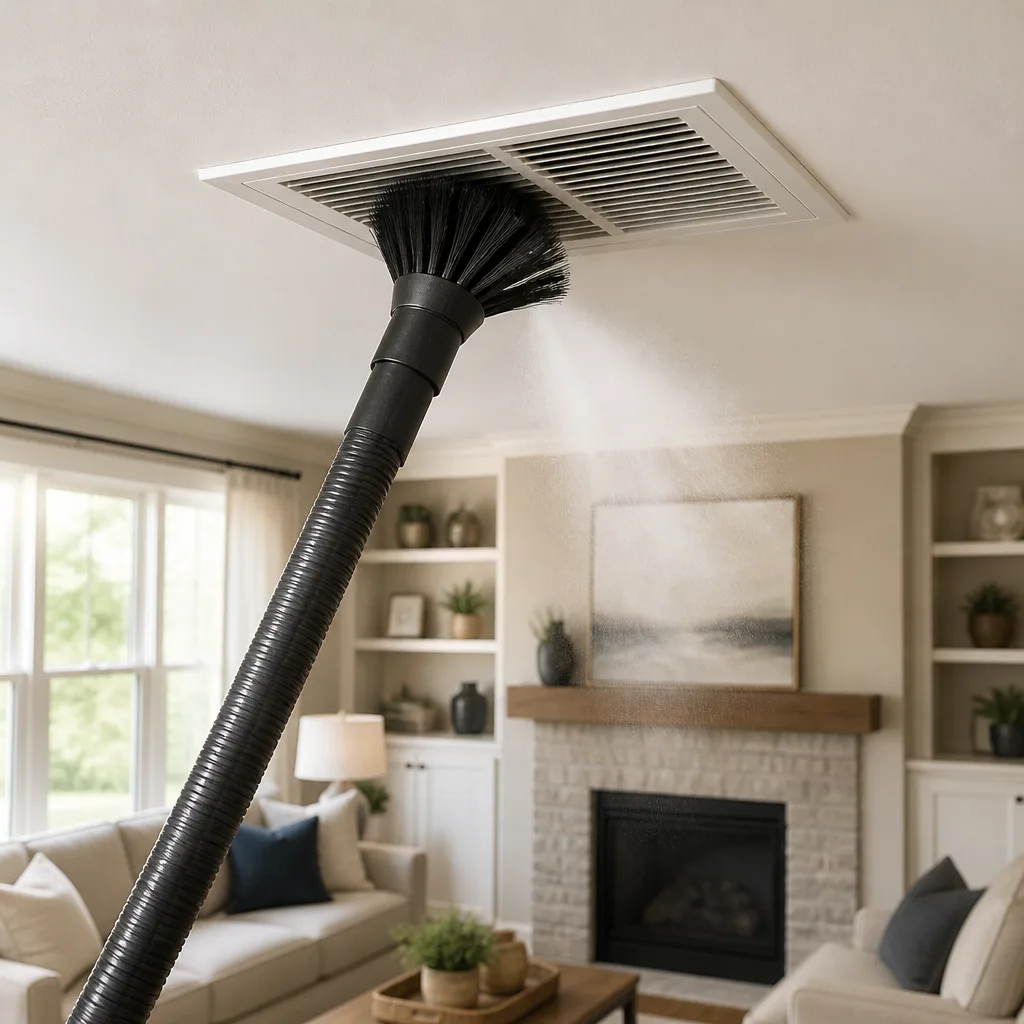 Sanitizing & deodorizing
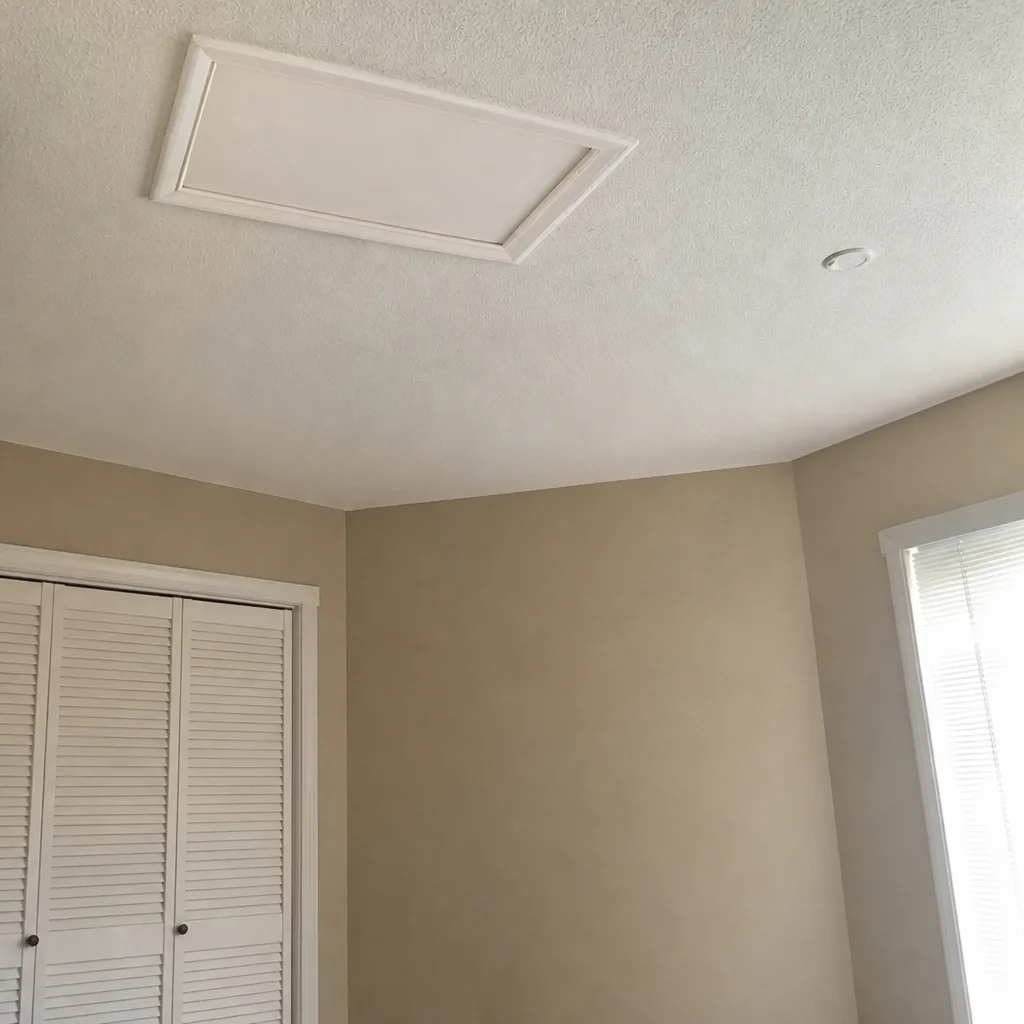
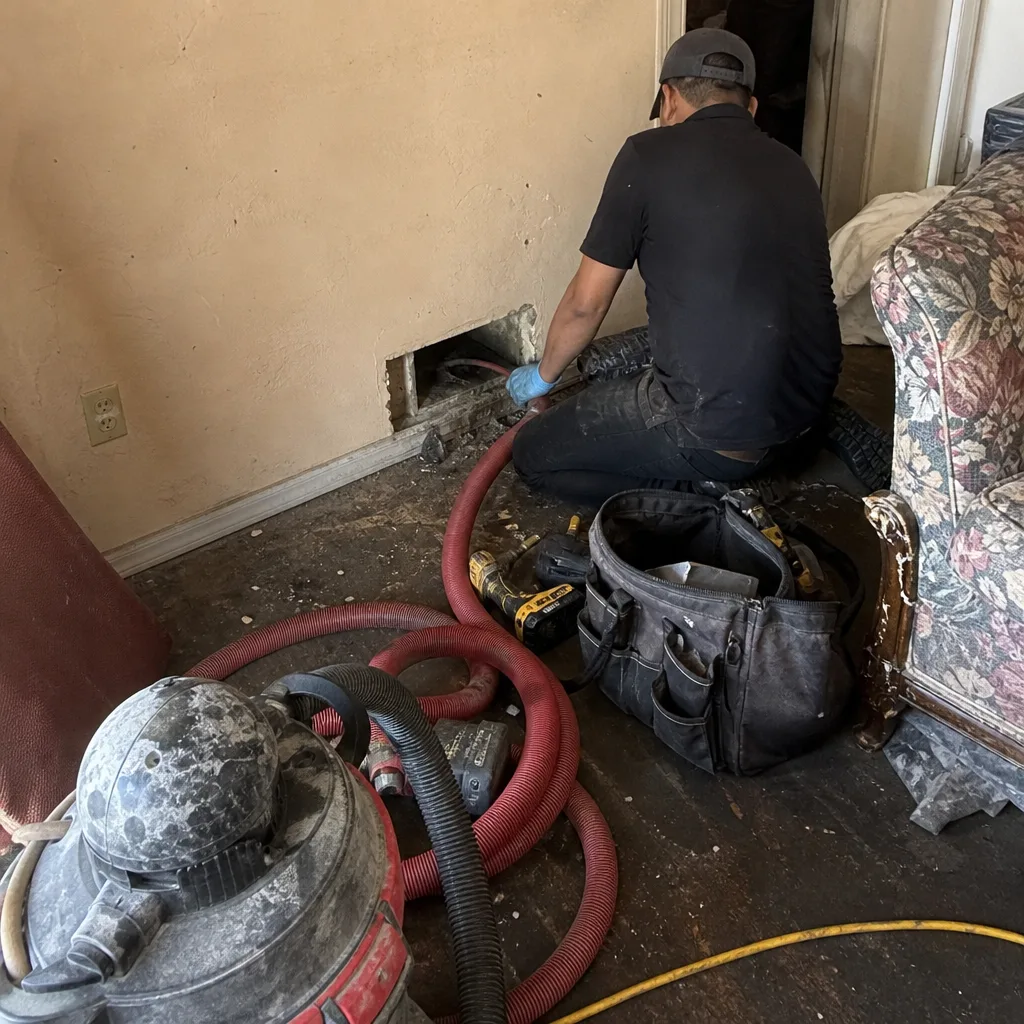
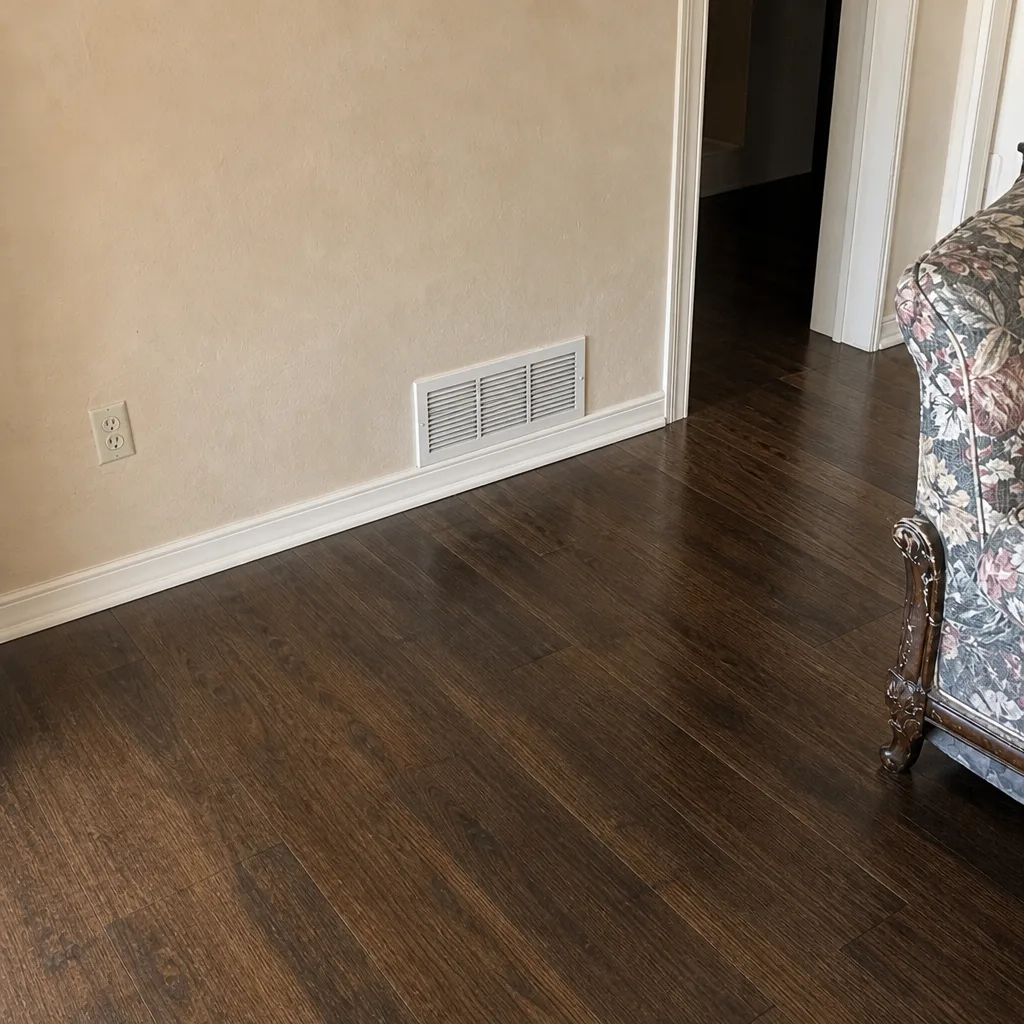
Whole-system duct and dryer vent check with before-and-after photos - you see exactly what came out of your vents
That "$99 whole-house special" is a bait ad - the real number appears once they are in your hallway, or the "clean" is a shop-vac at the register. We photograph the inside of your ducts before and after instead.
Air Duct Cleaning Warning Signs: A Lehigh Acres Homeowner’s Reference Guide
Weak airflow in one room doesn’t automatically mean your AC system is failing. In Lehigh Acres homes with long flex duct runs, it often means you have a collapsed or disconnected duct segment. That’s a duct problem, not an equipment problem, and a much cheaper fix if you catch it early. Here’s the thing most homeowners get wrong: they call an HVAC technician for every symptom, or they call a duct cleaner for something that was never a duct problem to begin with. This guide teaches you to read the warning signs your ducts are giving you and to tell duct-specific symptoms apart from system-level issues that need a different professional. You’ll finish knowing exactly when to call a duct specialist.
Quick Answer
The most reliable air duct cleaning warning signs in Lehigh Acres are visible dust streaking at register grilles, musty odors that return even after you clean, rooms that never reach the thermostat’s target, and allergy symptoms that spike in one specific room. Rising electric bills with no change in your habits are the sign homeowners ignore most, because they usually look like an AC problem when the real cause is leaky ductwork bleeding conditioned air into the attic. A duct specialist can confirm which of these you actually have; a general HVAC tech often can’t.
Styles & brands we work with
- Whole-home duct cleaning
- Dryer vent cleaning
- Camera inspection
- Sanitizing & deodorizing
Table of Contents
- What Are the Real Air Duct Cleaning Warning Signs?
- What Your Register Grilles Tell You Before You Call Anyone
- Uneven Room Temperatures: Duct Blockage, Leak, or Damper?
- Musty Odors: Duct Contamination vs. Coil Mold vs. Condensate Problems
- Why Allergy Symptoms in One Room Point to One Duct Branch
- The Sign Lehigh Acres Homeowners Ignore: Rising Electric Bills
- When to Call a Professional
- Frequently Asked Questions
What Are the Real Air Duct Cleaning Warning Signs?
Air duct cleaning warning signs fall into two categories: signs of contamination (dust, odor, allergy response) and signs of duct damage (weak airflow, temperature gaps, energy loss). Both matter, but they call for different parts of the service. Contamination calls for cleaning. Damage calls for repair. Often a Lehigh Acres home has both at once, and the repair has to happen first or the cleaning won’t hold.
Here’s how to separate them. Signs that point to contamination in your ducts:
- Visible dust streaks or dark smudges radiating from the supply registers
- A stale or musty smell that shows up only when the air handler runs
- Allergy or asthma symptoms that get worse indoors, in specific rooms
- Black or grey dust building up on return grilles faster than normal
- Debris visible inside the duct when you shine a light past the register
Signs that point to duct damage or leaks:
- One or two rooms that get weak airflow while the rest are fine
- Rooms that never reach the same temperature as the thermostat setting
- Electric bills climbing with no change to your routine
- Whistling or whooshing sounds at specific registers
- Visible kinks, crushed sections, or disconnected joints in attic duct runs
Once you know which category you’re looking at, the next step makes sense. Contamination is a cleaning job; damage is a repair job. When in doubt, professional-grade inspection settles it fast. The air duct cleaning service in Lehigh Acres covers both angles, since cleaning a compromised duct system just pushes dust straight back out through the leaks.
What Your Register Grilles Tell You Before You Call Anyone
Register grilles are the cheapest diagnostic tool you own and the one most homeowners never read. Dust pattern shape and color tell you a surprising amount about what’s happening inside the duct behind that grille. The pattern forms because air moves and dust settles unevenly, and the shape of the buildup records where the air was going and how dirty it was.
Here’s a numbered inspection you can run yourself with a flashlight and a step stool:
- Shine a light along the face of the grille. Look for streaks fanning out from the louver slots, since they show air being pushed through with dust riding along.
- Check the color. Light grey dust is normal household dust. Dark grey or black buildup suggests carbon-rich particles or years of accumulation. Orange or reddish tinting points toward rust from moisture in the duct, which is a different problem than plain dust.
- Pull the grille and look past it into the duct. A light film is normal. Visible chunks, matted dust, or dark streaks on the duct interior mean the duct itself needs cleaning.
- Compare registers across the house. If one register is far dirtier than the others, the branch serving that room is the culprit, not the whole system.
- Check return grilles separately. Returns pull air back and usually collect more dust than supplies. Heavy build-up on a single return points to a nearby contamination source.
Any single register with black or heavy grey buildup warrants a closer look at the duct behind it. Pull the grille, look into the duct with a flashlight, and if you see more than a light film of dust it’s worth a real inspection. In our experience across Lehigh Acres homes, the grilles almost always tell the story before any equipment does. When the pattern is systemic, meaning nearly every register shows buildup, that’s the signal for whole-system cleaning rather than a spot fix.
Uneven Room Temperatures: Duct Blockage, Leak, or Damper?
If one room never gets comfortable while the rest of the house is fine, the problem is almost always in the duct branch serving that room, not in the AC unit. Lehigh Acres homes with long runs of flex duct through hot attic space are especially prone to this. There are three likely causes, and each has a different fix. Map out which rooms are cold and which are warm, note which registers they belong to, and you’ll narrow the cause before anyone climbs in the attic.
Duct blockage looks like a room with weak-to-nothing airflow from its register while every other room in the house feels normal. The duct itself might be crushed by an attic truss, kinked at a tight turn, or packed with debris. The room is being starved of air, and no amount of thermostat adjustment will fix it. This is a repair, not a cleaning, job.
Duct leak looks different. A room gets some airflow but the air is weak or warmer than it should be, and the room next door might be too cold, because the air that should have arrived there leaked out into the attic on the way. Leaks also show up as rising electric bills, which we’ll cover below. You often can’t see them without inspecting the duct joints in the attic.
Damper failure looks like a room that used to be fine and isn’t anymore. If your system has manual or automatic zone dampers, one stuck half-closed can starve a whole branch. The tell is that airflow changes abruptly rather than gradually.
Sorting these out is exactly the kind of diagnostic work a duct specialist does. General HVAC technicians often default to “your unit needs more refrigerant” when the real issue is a crushed duct. That’s why we lead with the duct and not the equipment.
Musty Odors: Duct Contamination vs. Coil Mold vs. Condensate Problems
A musty smell in a Lehigh Acres home can come from three places, and only one of them is a duct problem. Getting the source right matters, because paying for duct cleaning when the smell is coming from your evaporator coil will leave you with the same smell a week later. The good news is the three sources smell slightly different and behave differently. Listen to what the odor is doing.
Duct contamination produces an odor that shows up when the air handler runs and fades when it stops. It’s a stale, dusty, sometimes slightly sour smell that gets stronger in the rooms farthest from the air handler. The contamination lives inside the ducts themselves, usually at joints and in the flex runs where dust collects. Cleaning is the fix.
Evaporator coil mold produces a sharper, wetter, more organic smell, almost like a damp basement. It’s strongest right at the indoor unit, so if the smell is worse when you stand next to the air handler than in the far rooms, suspect the coil. The coil sits above the drain pan and stays wet between cycles; mold grows there when the coil doesn’t fully drain. That’s a coil or drain issue, not a duct issue, and needs an HVAC tech.
Condensate pan problems produce a stagnant water smell, sometimes with a hint of mildew, and the clue is that the smell comes and goes with the AC cycling. A partially clogged condensate drain holds standing water that never fully empties. Again, an HVAC issue.
Our recommendation: before you book duct cleaning, stand at the air handler and at the farthest room. If the smell is worse at the air handler, call an HVAC tech. If it’s worse in the rooms, and specifically in the rooms farthest from the unit, the ducts are the source.
Why Allergy Symptoms in One Room Point to One Duct Branch
If your allergy or asthma symptoms spike in a specific room and nowhere else, that’s a pinpoint on the duct branch serving that room. It’s not a coincidence. Some contamination sits in one branch, not the whole system, and that branch feeds one room, so that room gets the full dose. This is the single most useful clue a duct specialist can work from, and most homeowners never connect the two.
Watch for these patterns:
- Symptoms improve when you leave the room and return within an hour
- The room is a bedroom you use nightly, and morning symptoms are worse
- A child’s allergies flare more than the adults’ in the same room
- Symptoms track with the AC running, not with pollen season
- The room has a supply register that’s dirtier than the rest
When our technicians inspect a home in Lehigh Acres, they isolate the affected branch and check it first. The contamination source might be a disconnected flex duct joint, a crushed section collecting debris, or years of dust baked onto the interior walls of that run. We use Rotobrush and Nikro equipment to reach the interior surfaces of the duct, not just the visible opening. Because the Abatement Technologies negative-air tools capture dislodged debris rather than recirculating it into the room, the work doesn’t leave more dust hanging in the air than it started with.
If the affected room is also the one with weak airflow, that’s the strongest possible signal. Contamination plus restricted airflow on the same branch almost always means a damaged duct that’s catching dust and leaking air simultaneously. That’s a cleaning plus repair job.
The Sign Lehigh Acres Homeowners Ignore: Rising Electric Bills
Rising electric bills with no change in routine are the warning sign Lehigh Acres homeowners skip right past. The instinct is to blame the AC unit, the rate, or the summer. In a hot climate like this, that instinct feels reasonable. But a duct system leaking conditioned air into a 130-degree attic is doing real damage to your bill, and no service call to the AC unit will fix it.
Here’s why it matters so much here. Lehigh Acres homes often run long flex duct runs through attic space that gets brutally hot. Every joint, boot, and elbow in that run is a potential leak. The air that leaks out is air you paid to cool. The more the attic heats, the harder the unit works to compensate, and the more energy leaks out. It’s a loop, and it compounds as the season wears on.
How to tell if a leak is inflating your bill:
- Compare the same month year over year. If the bill climbed more than your usage pattern explains, suspect the ducts.
- Check the bill against the weather. A normal hot month bills higher; a month that’s not hotter but still bills higher is a red flag.
- Note which rooms run warm. Leaks are usually closest to the hottest attic space, which often feeds the rooms at the ends of runs.
- Inspect accessible duct joints in the attic. Disconnected flex joints are common and often visible from a flashlight look.
- Check for duct condensation on the outside of runs in the attic. Wet insulation or sweating on the ducting points to leakage or poor sealing.
If a leak is the cause, cleaning the ducts alone won’t help. The air leak has to be sealed, and the ducts have to be repaired. That’s why duct repair sits alongside cleaning as a core service. Fix the leak and the bill and the temperature gaps both improve at the same time.
When to Call a Professional
Some signs you can watch. These are the ones where calling a duct specialist is the right move, and waiting just makes the problem more expensive:
- Two or more registers show dark or heavy dust buildup, not just a light film
- One room consistently underperforms while the rest are fine
- Allergy symptoms concentrate in a specific room, particularly at night
- You smell musty air in the rooms but not at the air handler
- Your electric bill has climbed without a change in usage or rates
- You see crushed, kinked, or disconnected flex duct anywhere you can reach
If any of these are true, book an inspection. Duct Cleaning Lehigh Acres offers free estimates in Lehigh Acres, and the technician can tell you whether the issue is cleaning, repair, or something outside our scope. Call (855) 554-4780. We answer 24/7. Fast dispatch from 7am to 7pm, Sunday through Friday.
Common Mistakes to Avoid
- Calling duct cleaning for a smell that’s actually coil mold. If the smell is worst at the air handler, you need an HVAC tech, not a duct cleaner. Cleaning first is a wasted spend, and the smell returns quickly.
- Booking duct cleaning before you check for leaks. Cleaning a leaking duct system leaves the dust free to blow straight back out through the leaks and into the attic. Seal first, clean second.
- Ignoring rising electric bills. In Lehigh Acres the cooling load in summer is high, and a leak in the attic is easy to dismiss as normal. Compare bills against the same month last year before you do.
- Trusting a single register grille to tell the whole story. Look at every register in the house. A single dirty register is a branch issue, not a whole-system one.
- Assuming weak airflow means a failing AC unit. A room with weak airflow and no cooling performance issue elsewhere is a duct problem, not an equipment problem.
- Booking a shop-vac cleaner for a repair job. Consumer vacuums and low-powered generalist setups can’t address crushed or disconnected flex duct. If the problem is damage, you need a technician with the right equipment and the ability to repair.
- Skipping the dryer vent when you book duct cleaning. Dryer vents are one of the leading causes of residential fires, and they’re often neglected for years in the same home. If you’re booking a cleaning visit, have the dryer vent assessed at the same time.
See the difference
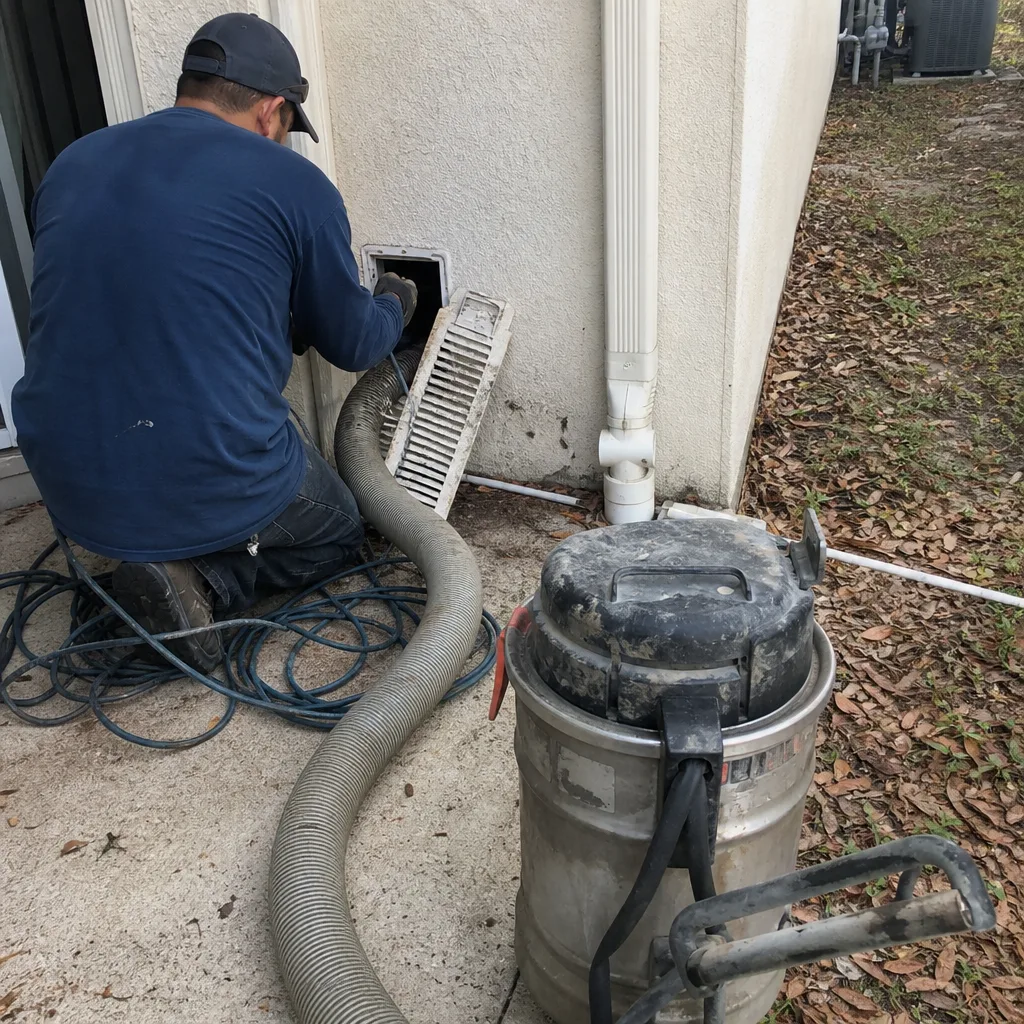 Before
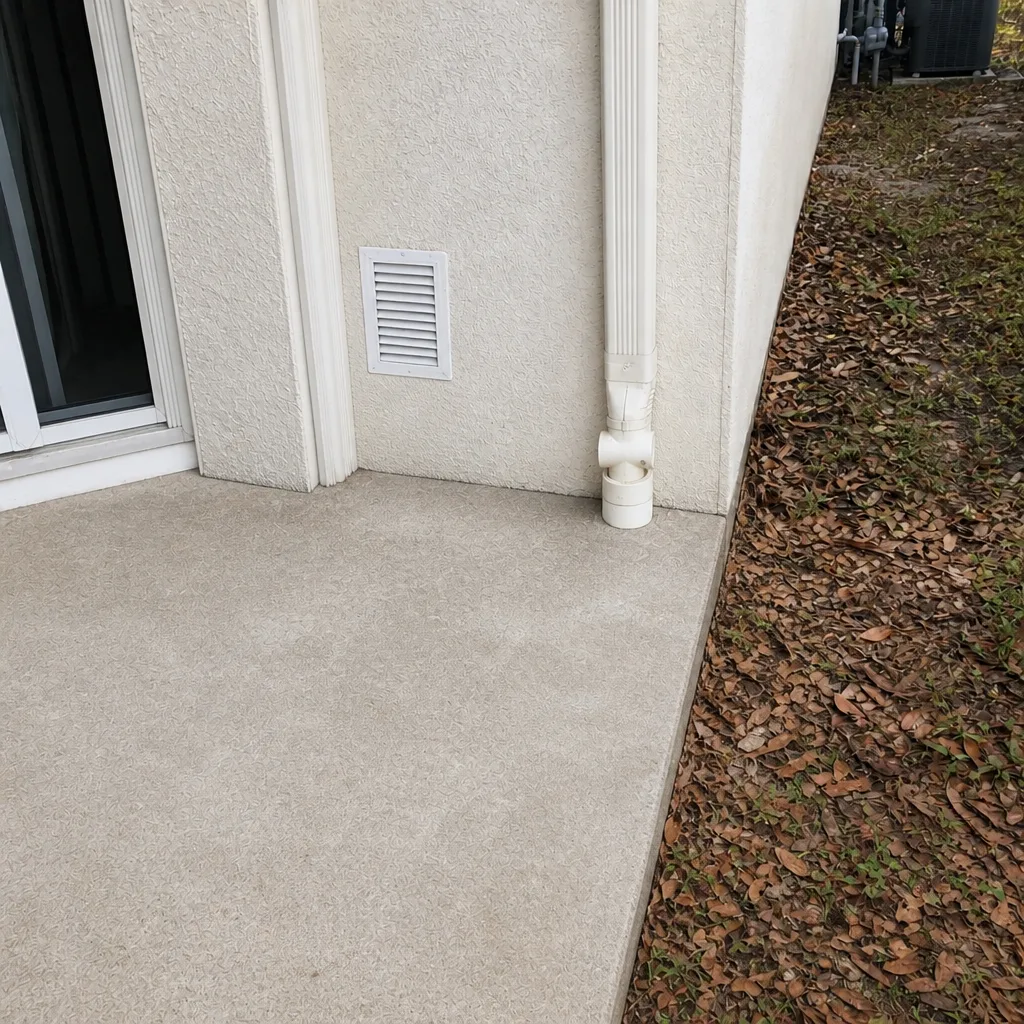 After
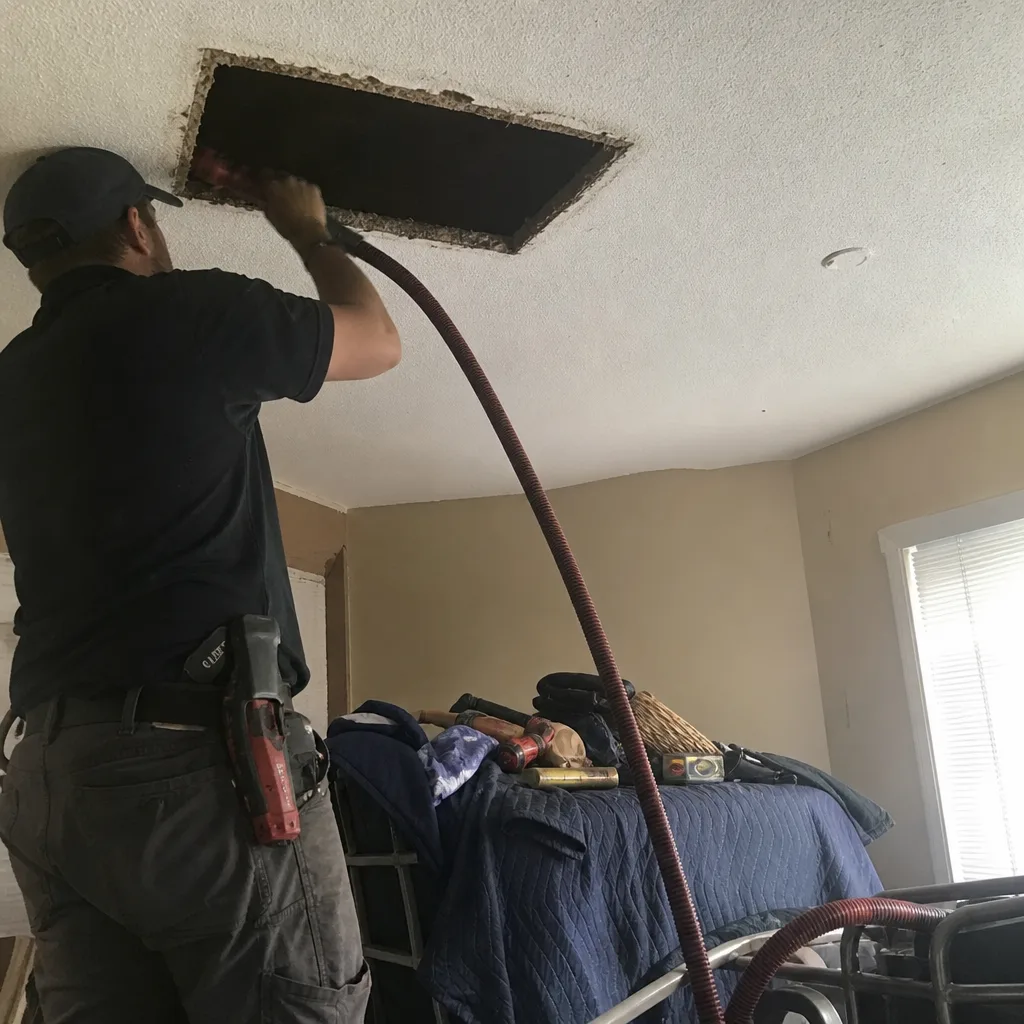 Before
 After
 Before
 After
Frequently Asked Questions
If the problem is dust, odor, or allergy symptoms with even airflow across all rooms, cleaning is likely the answer. If the problem is weak airflow in one room, temperature gaps, or rising electric bills, repair is likely the answer. When both are present, the repair has to happen first so the cleaning holds. A professional inspection settles it fast.
Most homes go three to five years between cleanings, but it depends on your filtration, whether you have pets, and whether you’ve had renovation dust in the ducts. Homes with allergy or asthma sufferers should watch for symptoms sooner. If your registers show dark buildup within a year of a cleaning, the ducts have a leak or a source problem that needs diagnosis, not just repeated cleaning.
Cheap quotes usually skip the diagnosis and run a low-powered shop-vac, which stirs up dust more than it removes it. A proper cleaning uses professional-grade equipment with containment so the captured debris doesn’t recirculate. In our work we use Rotobrush and Nikro systems with Abatement Technologies negative-air tools for exactly that reason. A cheaper quote isn’t cheaper if the dust comes back and you have to book it twice.
The right answer is that the technician shows you before-and-after photos of your own ducts, not stock photos. Ask before you book whether photos are included. If a cleaner can’t show you the interior of your own duct system, they haven’t proven anything.
It can be. Rising bills with no change in usage or rate are a classic sign of leaky ductwork in Lehigh Acres homes, because the cooled air leaks into a very hot attic and the unit works harder to compensate. Before you pay for an AC diagnostic, have the duct system inspected for leaks and disconnected joints. The fix is often a duct repair rather than an equipment repair.
They’re separate systems and each has its own reason to be serviced, but booking both in one visit saves the scheduling. Air ducts affect indoor air quality. The dryer vent affects fire safety. If you haven’t had either checked in years, both should be assessed. Call (855) 554-4780 for a free estimate.
The Bottom Line
Most duct warning signs are readable before you spend a dime: register dust patterns, room-by-room temperature gaps, musty odors that live in your rooms rather than at the air handler, allergy symptoms that spike in one room, and rising electric bills nobody connects to the ducts. The Lehigh Acres climate makes the last one especially important. If you think the problem is duct-related, get it inspected before you spend money on an HVAC diagnostic. And when the inspection finds damage, do the repair before the cleaning. Fix first, clean second, and the result actually holds.
Contact Us
If any of the warning signs in this guide sound familiar, book a free estimate. Duct Cleaning Lehigh Acres handles air duct cleaning, dryer vent cleaning, and duct repair throughout the area. During a visit our technicians use Rotobrush and Nikro equipment and Abatement Technologies containment tools to capture debris rather than recirculate it, and we can advise on Honeywell and Aprilaire systems in the home. We work with professional-grade equipment, not shop-vac shortcuts, because that difference is what makes a duct cleaning hold. Call (855) 554-4780. We answer 24/7. Fast dispatch from 7am to 7pm, Sunday through Friday.
Written by the team at Duct Cleaning Lehigh Acres.