
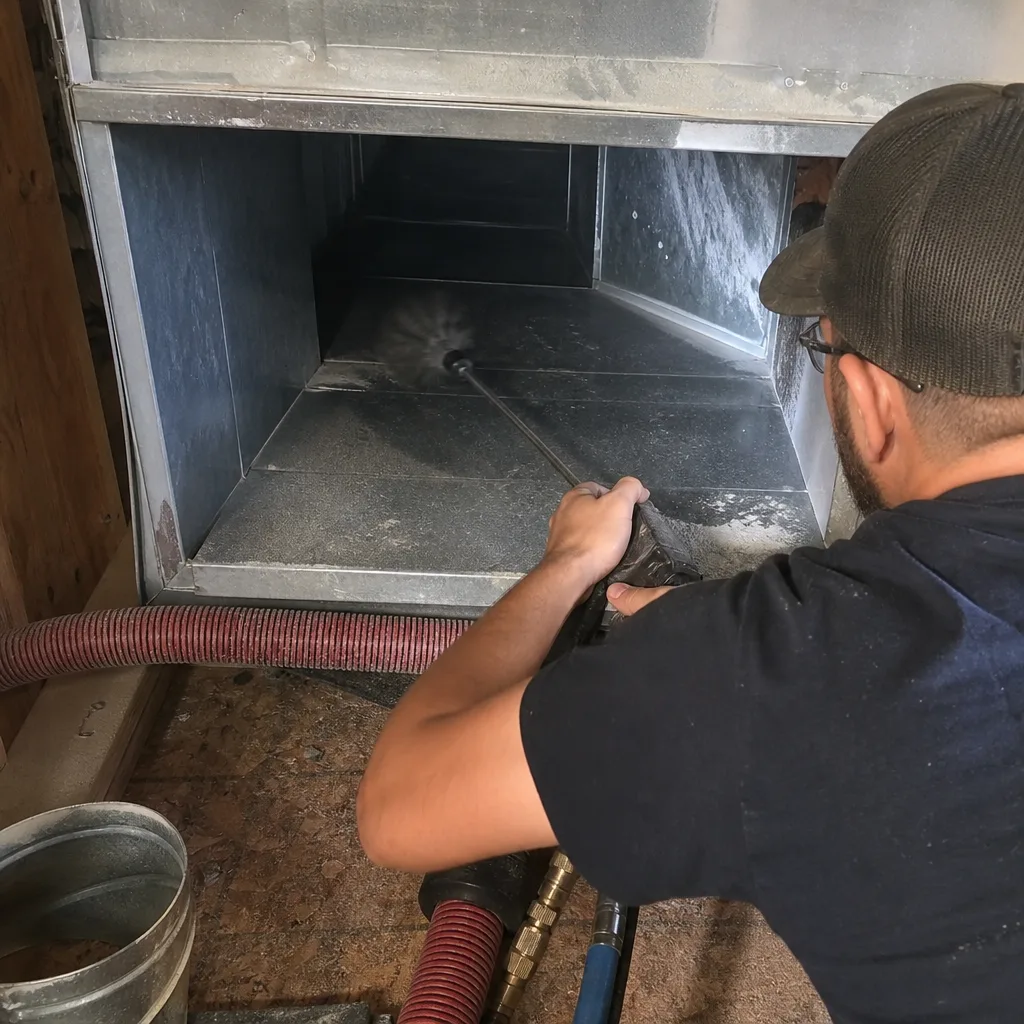
Last updated November 15, 2026
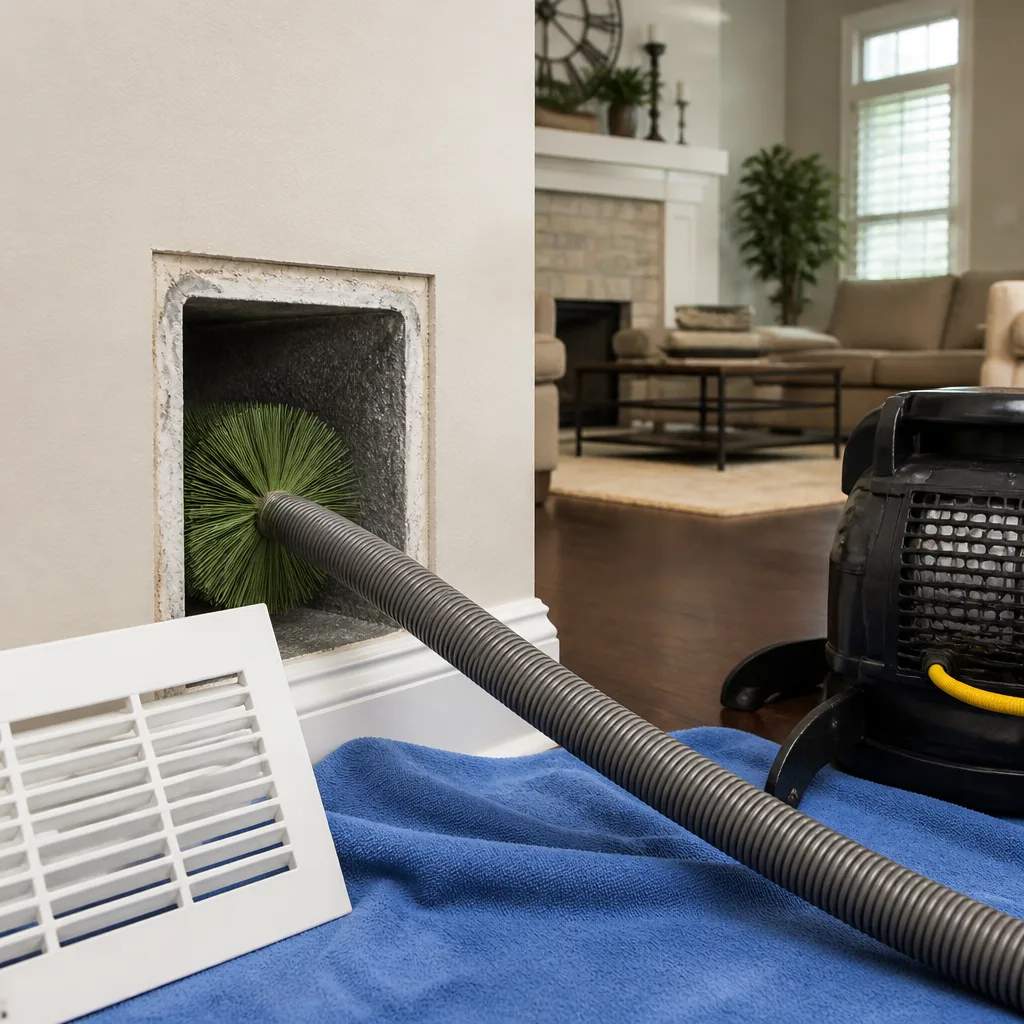 Whole-home duct cleaning
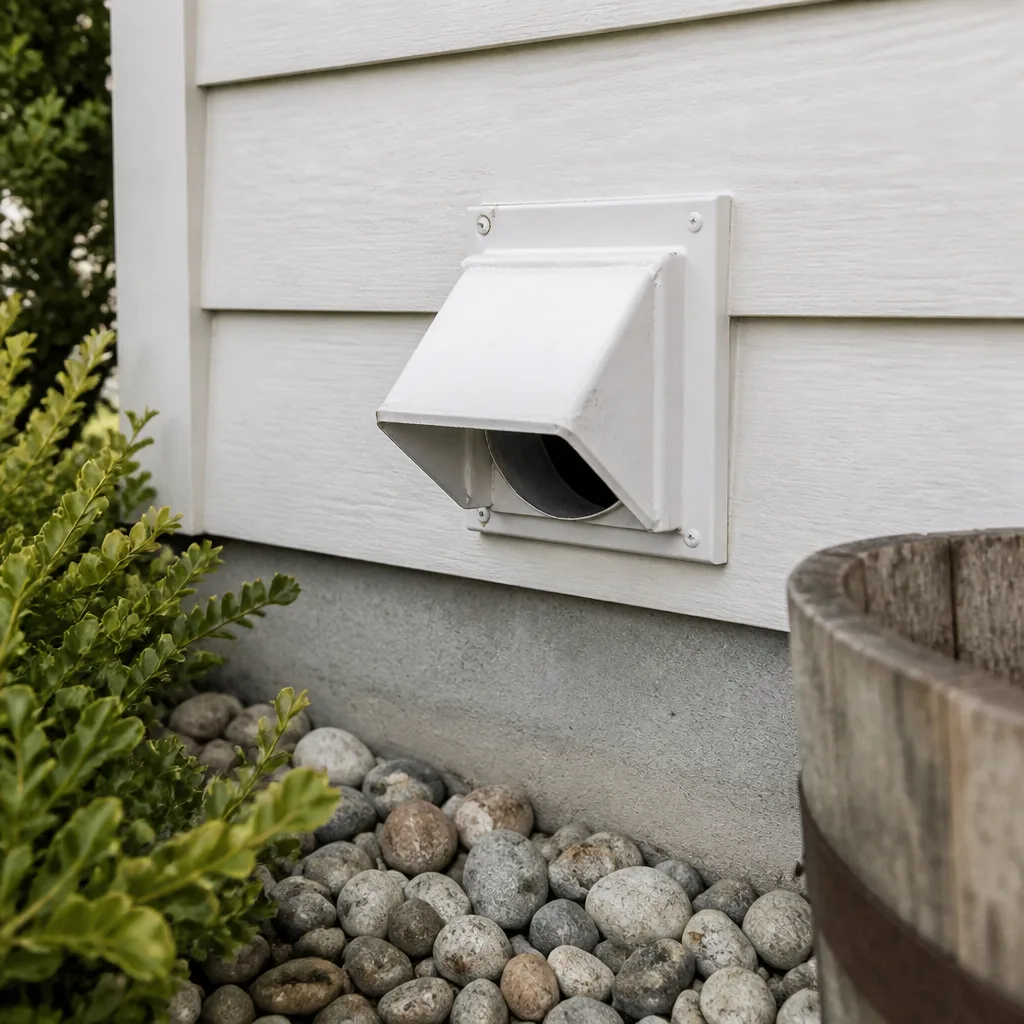 Dryer vent cleaning
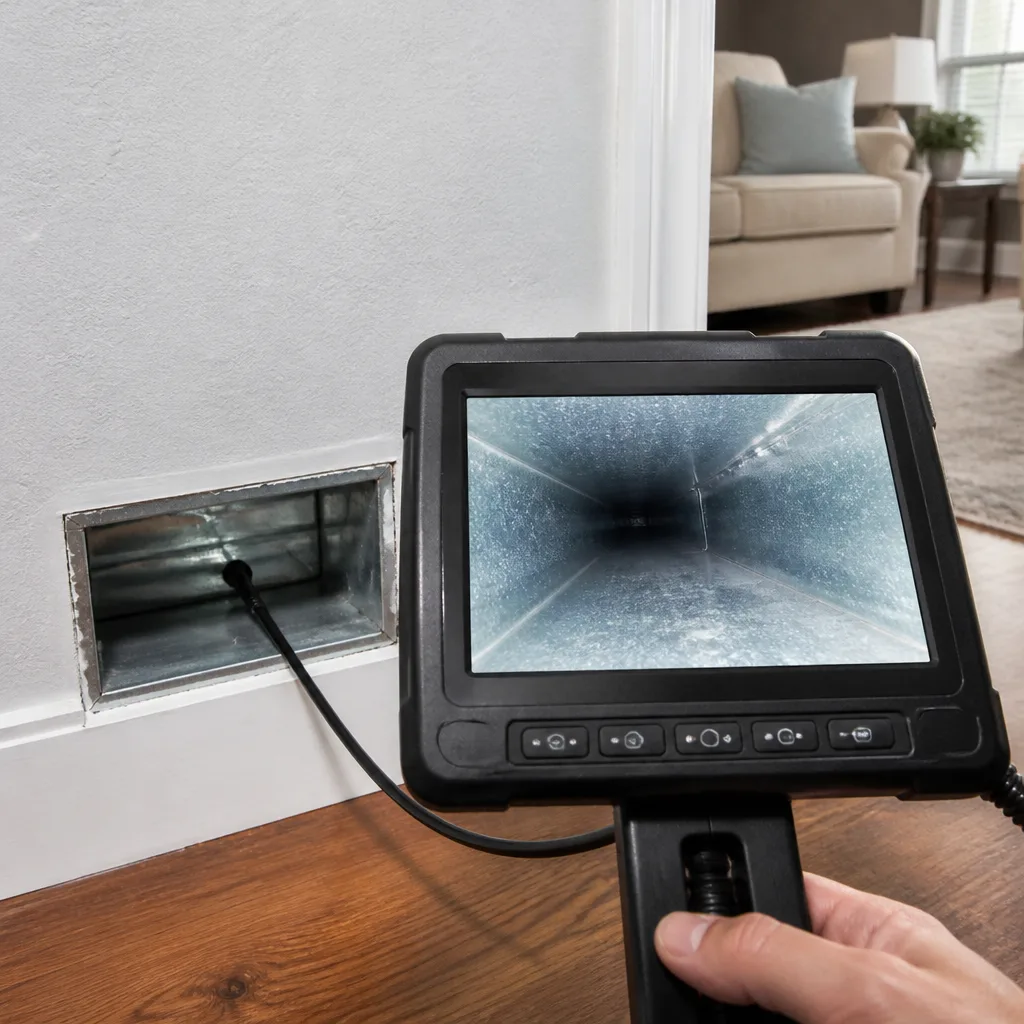 Camera inspection
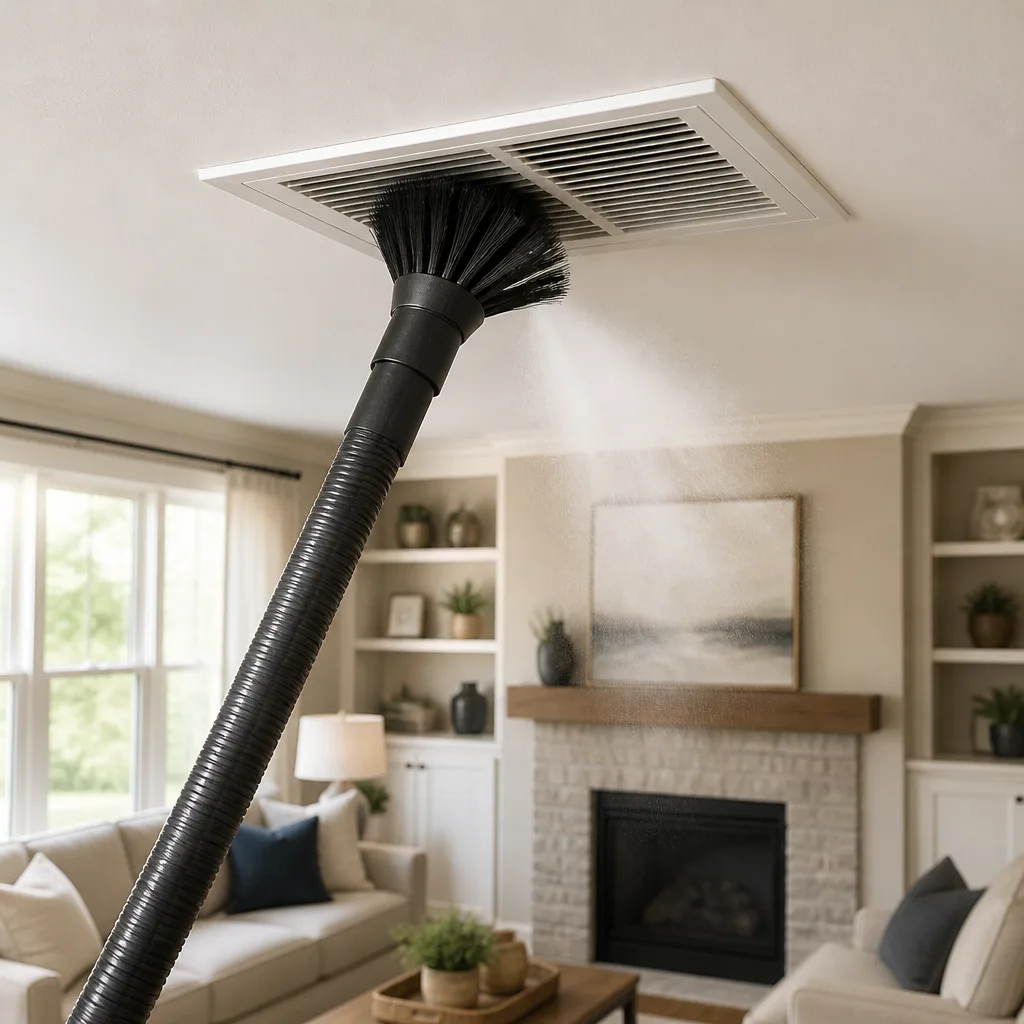 Sanitizing & deodorizing
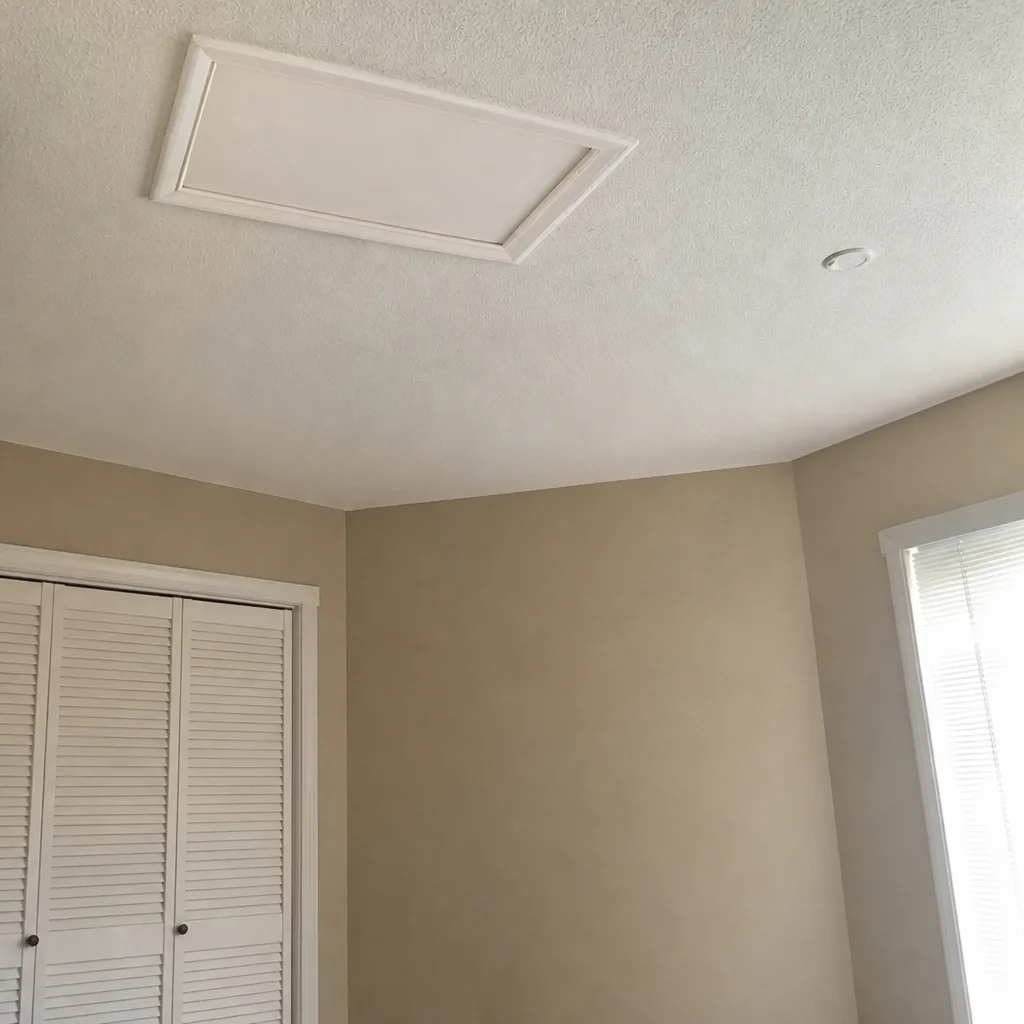
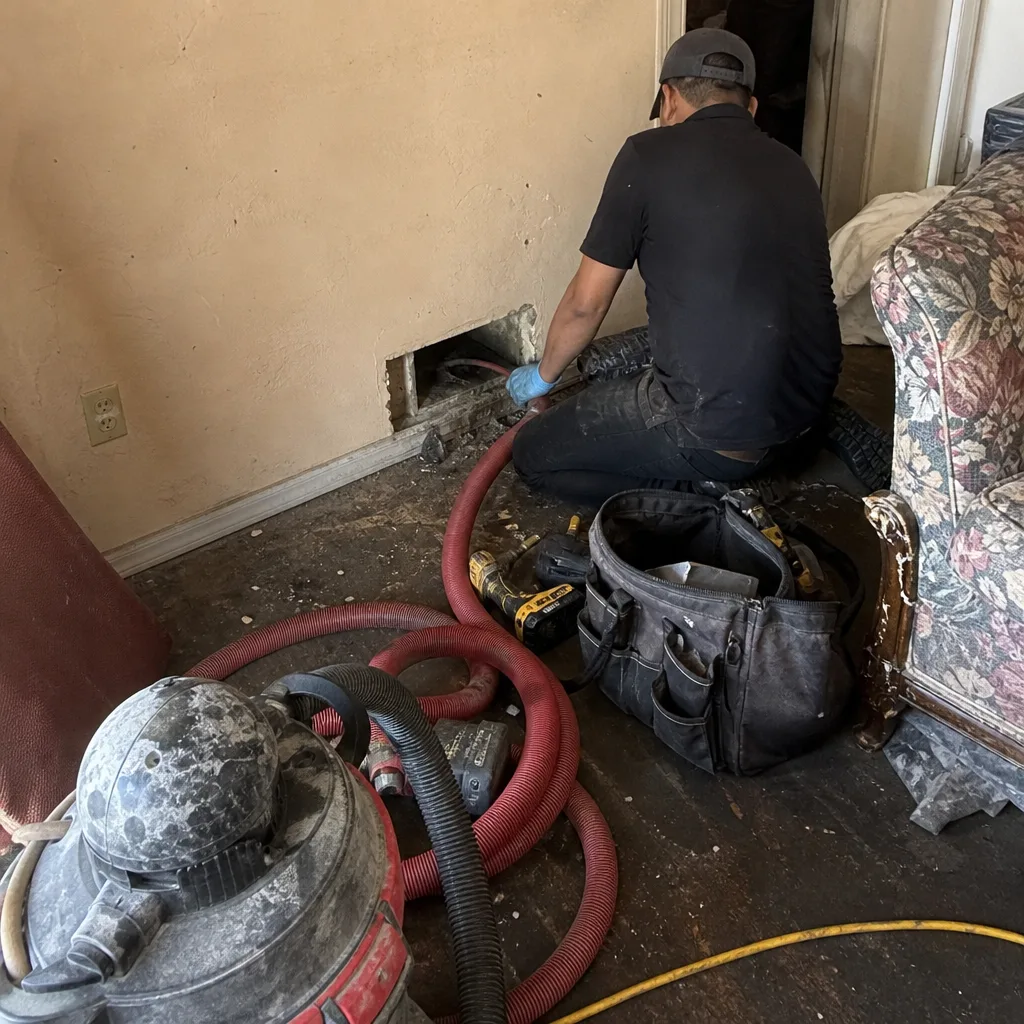
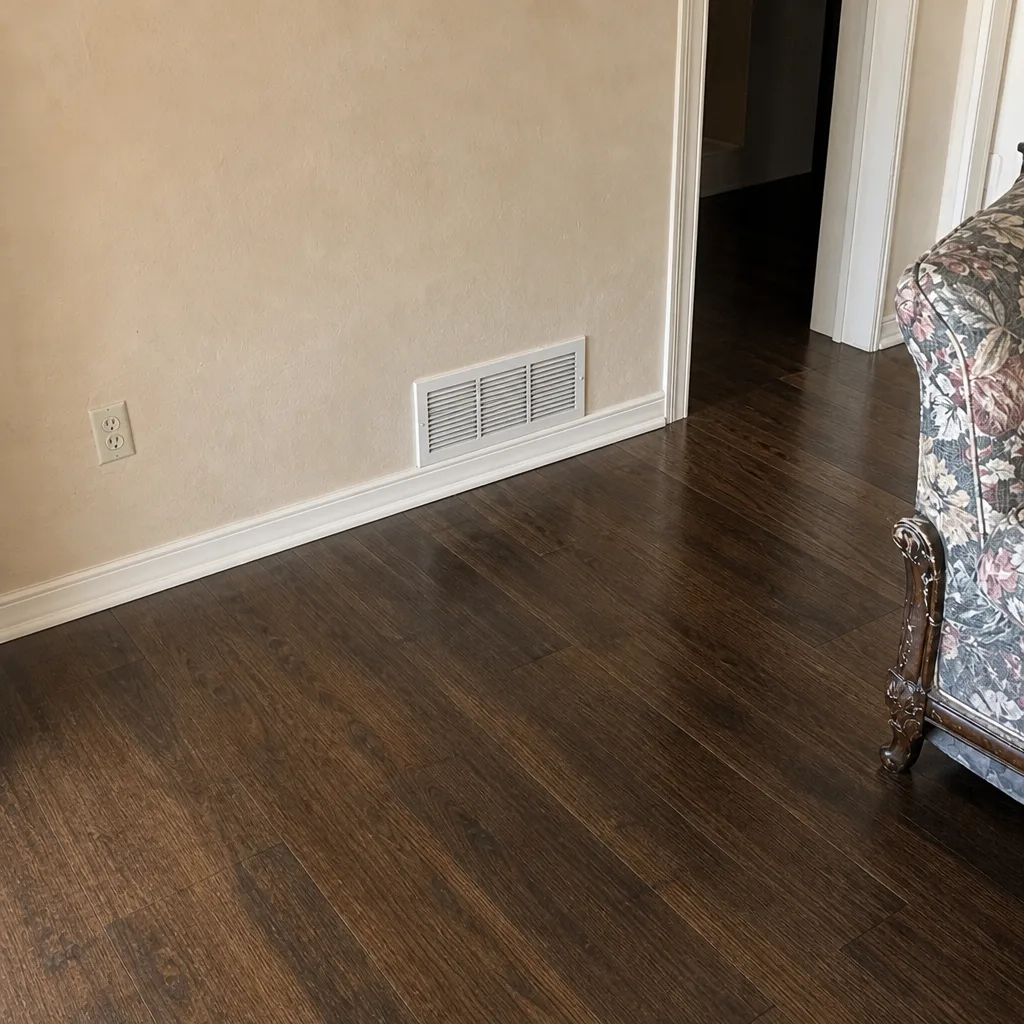
Whole-system duct and dryer vent check with before-and-after photos - you see exactly what came out of your vents
That "$99 whole-house special" is a bait ad - the real number appears once they are in your hallway, or the "clean" is a shop-vac at the register. We photograph the inside of your ducts before and after instead.
Air Duct Cleaning Troubleshooting in Lehigh Acres: Common Problems and How to Fix Them
If one room in your Lehigh Acres home is always 5°F hotter than the rest, your thermostat isn’t the problem. Your duct system is telling you something specific, and the message is almost never “the air is just dirty.” Most of what homeowners blame on a failing HVAC system (uneven airflow, musty odors, climbing electric bills) traces back to a handful of mechanical causes inside the ducts themselves: a collapsed run, a disconnected trunk line, a blocked register, or humidity-driven growth that looks nothing like ordinary dust. This guide teaches you to read your ductwork the way a technician does, so you know what’s wrong before anyone picks up a phone. We’ll cover the symptom fingerprints for each problem, a tissue-and-timer test you can run yourself, and when a job needs a camera inspection versus a standard cleaning visit.
Quick Answer
Airflow and air-quality problems in Lehigh Acres ducts usually come down to four mechanical faults: collapsed flex duct, a disconnected or leaking trunk line, blocked or closed registers, and microbial growth fed by high indoor humidity. You can narrow down which one you’re facing by matching the symptom (hot room, weak airflow, musty smell, rising bills) to its fingerprint, then confirming with a simple airflow test at the registers. Problems that show up as pressure loss behind a wall or ceiling need a camera inspection; surface dust, debris and growth that’s reachable through the vents are handled on a standard cleaning visit with professional-grade equipment.
Styles & brands we work with
- Whole-home duct cleaning
- Dryer vent cleaning
- Camera inspection
- Sanitizing & deodorizing
Table of Contents
- Why Most “HVAC Problems” Are Actually Duct Problems
- Collapsed Flex Duct vs. Disconnected Trunk vs. Blocked Register: The Symptom Fingerprints
- Why Lehigh Acres Humidity Grows Duct Contamination That Doesn’t Look Like Dust
- The Tissue-and-Timer Test: Find Airflow Restrictions Yourself
- Why a Shop-Vac Can Make Duct Contamination Worse
- Camera Inspection vs. Standard Cleaning: Which Problem Needs Which
- When Duct Repair Beats Cleaning
- The Duct Problem That Isn’t About Air Quality at All
Why Most “HVAC Problems” Are Actually Duct Problems
The air handler gets blamed for problems the ducts create. That’s understandable: the air handler is the big machine in the closet, and it’s the part making noise. But the ducts are the delivery network, and a delivery network with a leak, a crush point or a blockage can starve half a house of air while the equipment runs perfectly. In our experience across Lehigh Acres homes, the pattern repeats often enough to be predictable.
Here’s the logic. Your air handler moves a fixed volume of air at a given fan speed. If a duct run is partially crushed, the air that should reach the back bedroom doesn’t arrive, and static pressure builds upstream. The system compensates by pulling harder through whatever paths remain, which is why a leaky duct in one part of the house can make another part feel weak. The thermostat reads the temperature at the wall it’s mounted on, not in the rooms you actually use, so the system keeps running, keeps pushing, and keeps spending.
What looks like an HVAC failure, then, is often one of these duct faults:
- Reduced airflow to specific rooms that doesn’t follow a consistent pattern.
- Musty or “gym bag” odors that appear when the system first starts.
- Dust settling faster on surfaces in one area of the home.
- Electric bills creeping up without a change in how you use the house.
- Whistling or whooshing at a register, which points to a restriction nearby.
None of those symptoms require a new compressor. They require understanding which part of the duct network is failing and why.
Collapsed Flex Duct vs. Disconnected Trunk vs. Blocked Register: The Symptom Fingerprints
Three different mechanical failures can all present as “the air is weak,” and homeowners often assume they’re the same problem. They aren’t. Each has a distinct symptom pattern, and knowing the pattern saves time and money because it tells a technician where to look before anything is opened up. Here’s how they differ.
Collapsed flex duct
Flex duct is the silver or insulated tube you see in attics and crawlspaces. It’s flexible for a reason, but it can kink, sag or crush under weight or poor support. When one run collapses, the effect is usually local: one or two rooms lose airflow while the rest of the house is fine. You’ll often see a hot spot concentrated on one side of the home, or a single bedroom that never cools. The collapse itself is invisible from inside the house, so this is a prime candidate for inspection.
Disconnected trunk line
The trunk is the main artery that feeds the branch runs. If a joint comes apart, the system leaks air into the attic or wall cavity instead of the rooms. The pattern here is broader: several rooms weaken at once, and the leak can pull unconditioned attic air into the system, which shows up as a dust or odor complaint. Trunk disconnections are common in homes where ducts run through hot attic space, because the tape and mastic at joints degrade over time.
Blocked or closed register
This is the simplest fault and the easiest to miss. A register can be closed by a damper, blocked by furniture or a rug, or clogged by a heavy buildup of debris right at the grille. The symptom is a specific room with almost no airflow while adjacent rooms seem normal, and a pressure “whistle” at the grille itself. Before assuming a duct has failed, walk the house and confirm every register is open and unobstructed.
Rough matching table:
- One room weak, whistle at grille → blocked or closed register.
- One or two rooms weak, no whistle → collapsed flex run.
- Several rooms weak plus dust or odor → disconnected trunk or major leak.
- All rooms weak, system running constantly → restriction at the air handler or main trunk.
Why Lehigh Acres Humidity Grows Duct Contamination That Doesn’t Look Like Dust
Lehigh Acres runs humid most of the year, and that changes what grows inside a duct system. In drier climates, duct contamination is mostly dust and debris. Here, it’s biological. The same warmth and moisture that make the area feel tropical also create conditions inside ducts where mold and mildew can establish on surfaces that stay damp, especially in ducts that run through unconditioned attic space where condensation forms.
This matters because the contamination looks different and smells different from dust. Dust is grey or brown and dry. Humidity-driven growth is darker, sometimes patchy or mottled, and it carries a distinct musty, earthy or “wet basement” odor that gets stronger when the system first kicks on. If you notice that smell at startup, don’t assume the ducts are just dusty. It’s a signal that moisture is present somewhere in the system.
Where the moisture comes from is worth understanding:
- Condensation on cold duct surfaces in humid attic air.
- Leaky joints pulling humid outside air into the return side.
- Oversized or short-cycling systems that don’t run long enough to dehumidify.
- Bathroom and kitchen exhaust that isn’t vented properly, sending moisture into the structure.
You can often tell the difference without opening a wall. Wipe the inside of a supply register with a white cloth: if the residue is dry and powdery, it’s dust; if it smears and smells musty, it’s biological growth. That distinction matters because cleaning a biologically contaminated system is different from cleaning a dusty one; it needs containment so the dislodged material is captured rather than recirculated. That’s why professional-grade systems such as Abatement Technologies negative-air equipment are used for this kind of work: contaminants get captured at the source instead of blown back into living space.
The Tissue-and-Timer Test: Find Airflow Restrictions Yourself
You don’t need instruments to find an airflow restriction. A single square of tissue and a stopwatch will tell you whether a register is starved, and comparing several registers narrows down whether the problem is local or systemic. It’s not a substitute for a professional inspection, but it’s a reliable first look, and it helps a technician start in the right place.
- Turn the system on and let it run for ten minutes. You want steady-state airflow, not the startup surge.
- Hold a single ply of tissue flat against the face of a supply register. Don’t bunch it up; a flat sheet is more sensitive to airflow.
- Time how long the tissue stays fully extended against the grille. A strong register holds it flat indefinitely; a weak one lets it flutter or drop within a few seconds.
- Repeat at every register in the house, and note the result in each room. Write it down. The pattern is the diagnosis.
- Compare rooms. If every register is weak, the restriction is upstream at the air handler or main trunk. If a few are weak and the rest are strong, the problem is in the branch serving those rooms.
- Check the return grilles the same way. A starved return limits the whole system, and it’s easy to overlook.
What the results usually mean: a strong pattern of weak registers on one side of the house points to a collapsed run or a leak in the trunk feeding that side. Uniformly weak airflow almost always points to a filter that’s loaded, a return that’s restricted, or a problem at the air handler. A single weak register with strong neighbors points to a branch blockage or a disconnected branch. The test doesn’t repair anything, but it turns “the air feels weak” into a specific location, which is exactly what a technical diagnosis needs.
Why a Shop-Vac Can Make Duct Contamination Worse
The instinct to attack dust with a shop-vac is normal, and it can backfire. Here’s why. A shop-vac moves a lot of air but it doesn’t contain what it loosens. When you push a shop-vac hose into a register and start pulling debris off the duct walls, that debris breaks loose into the duct airstream. If the system is running, or if it’s switched on afterward, that loosened material gets drawn toward the air handler, where it can settle on the evaporator coil, the blower or the filter. What you’ve done is redistribute the contamination deeper into the system, which means a cleaning job becomes a cleaning-plus-repair job.
There’s a second problem specific to ducts that aren’t well sealed. A shop-vac creates a localized pressure drop but doesn’t control the rest of the network, so dust it dislodges can migrate into unsealed joints and wall cavities. In older Lehigh Acres homes with flex duct and taped joints, that migration can leave deposits in places a cleaning wand can’t easily reach. Professional duct cleaning works differently: a negative-air machine keeps the whole system under controlled pressure while the cleaning tool agitates the surfaces, so dislodged material goes into the machine, not into the house. That’s the containment principle behind the Abatement Technologies equipment we use, and it’s why a shop-vac “quick clean” so often leads to a follow-up call.
If you’ve already run a shop-vac through a register and the smell or dust hasn’t improved, that’s a sign the material got moved rather than removed. It’s worth a professional look before trying again.
Camera Inspection vs. Standard Cleaning: Which Problem Needs Which
Not every duct problem needs a camera. Most are resolved on a standard cleaning visit once the fault is identified. Knowing which category your problem falls into keeps costs sensible and avoids paying for diagnostics you don’t need.
Handled on a standard cleaning visit
- Dust and debris accumulation on accessible duct surfaces.
- Surface biological growth on reachable ductwork (with containment).
- Blocked or debris-clogged registers.
- Light dust contamination in the air handler cabinet.
- Cleaning of a dryer vent run.
Needs a camera inspection
- A room or zone that stays weak even after registers are confirmed open.
- Suspected collapsed, crushed or kinked flex duct behind a wall or ceiling.
- A trunk line that may have separated at a hidden joint.
- Recurring musty odor that returns after cleaning.
- Any situation where you can hear air movement inside a wall.
Camera inspection isn’t a scare tactic; it’s the only way to see inside a duct run without opening the structure. If a technician recommends it, ask what they’re looking for and where. A good inspection is targeted at the symptom pattern you’ve already identified, not a broad fishing expedition. For a broader walkthrough of the cleaning process itself, see our guide to air duct cleaning.
When Duct Repair Beats Cleaning
Sometimes cleaning a duct solves nothing because the duct is broken. A collapsed run, a separated joint, a crushed span under a floor or a badly sagging flex line needs repair before or alongside cleaning. Cleaning a leaking duct is like mopping a floor under a dripping ceiling: the surface gets clean, but the problem remains. That’s why we handle air duct repair as a core service rather than sending customers elsewhere.
Repair covers the physical integrity of the system:
- Reconnecting separated joints with proper sealing.
- Replacing collapsed or crushed flex runs.
- Re-supporting sagging duct to restore full cross-section.
- Sealing leaks at the air handler and trunk connections.
- Correcting improper transitions that choke airflow at the source.
Pairing repair with cleaning matters because a repair that doesn’t include re-cleaning can leave debris from the repair work inside the system, and a cleaning that doesn’t include repair leaves the leak in place. Our technicians have up to 8 years of experience identifying these structural issues, so the recommendation usually comes down to what’s actually causing the symptom you reported, not a cookie-cutter process. If you’ve had ducts cleaned before and the problem came back, a repair assessment is the next step.
The Duct Problem That Isn’t About Air Quality at All
Not every duct complaint is about air. The dryer vent is a duct too, and it fails in ways that have nothing to do with airflow comfort and everything to do with fire risk. Lint accumulates in the vent run and around the dryer’s exhaust path, and a restricted dryer vent is one of the leading causes of residential fires. It also makes your dryer work harder and longer, which shows up as clothes that take two cycles to dry or a dryer that feels hot to the touch.
The symptom fingerprints are different from supply ducts:
- Clothes take longer to dry with no change in load size.
- The dryer or the wall behind it feels unusually warm.
- A burning or “hot lint” smell during a cycle.
- Lint visible around the exterior vent flap or reduced airflow from it.
- The vent flap doesn’t open fully when the dryer runs.
Any of those is a reason to stop using the dryer and have the vent checked. dryer vent cleaning is a standalone service for us, not an upsell tacked onto an air duct job, because it addresses a distinct safety issue. If you’re not sure whether the vent or the dryer itself is the problem, the vent is the cheaper place to start, and it’s the one with the safety stakes.
Common Mistakes to Avoid
- Assuming a hot room means the AC is failing. In most Lehigh Acres homes, a single hot room points to a branch duct problem, not a failing compressor. Get the airflow tested before you call an HVAC contractor.
- Running a shop-vac through a register. Without containment, you push debris toward the air handler and into wall cavities. If you’ve already done it and the dust got worse, don’t repeat it.
- Ignoring a musty smell because “it’s just Florida humidity.” Humidity here does cause biological growth in ducts, and the smell is a signal, not background noise. Wipe a register with a white cloth and look at what comes off.
- Sealing the house without thinking about the ducts. Tight homes here hold humidity and contaminants in; if your ducts are leaky and your envelope is tight, the system pulls air from the wrong places. Duct integrity goes with building tightness.
- Skipping the dryer vent because the dryer still works. A restricted vent is a fire risk long before the dryer fails outright. Lint buildup doesn’t announce itself.
- Choosing a cleaner who doesn’t handle repair. A cleaning on a collapsed or disconnected duct leaves the real problem in place, and you’ll be back on the phone within months. Ask upfront whether repair is part of the service.
- Treating every duct problem as a cleaning problem. If a room stays weak after a clean, you need a camera inspection, not another cleaning pass.
See the difference
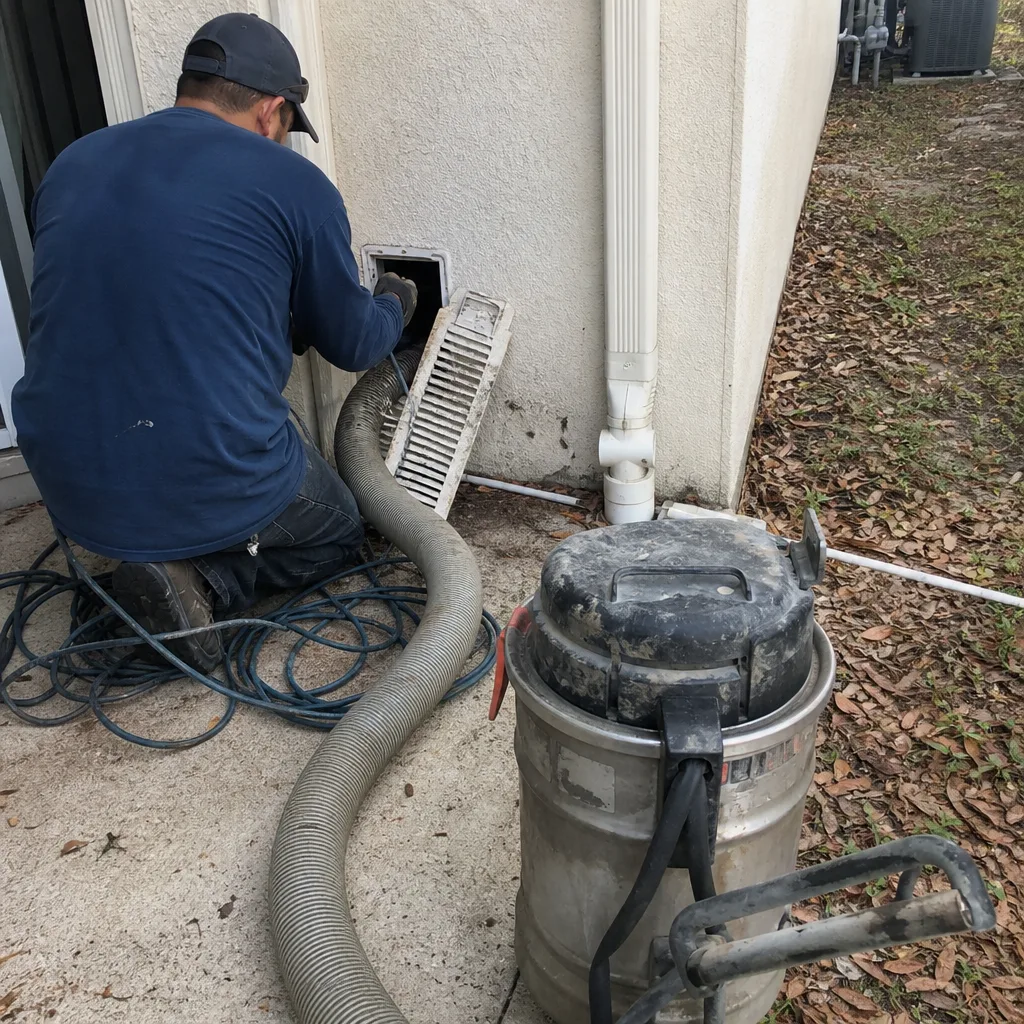 Before
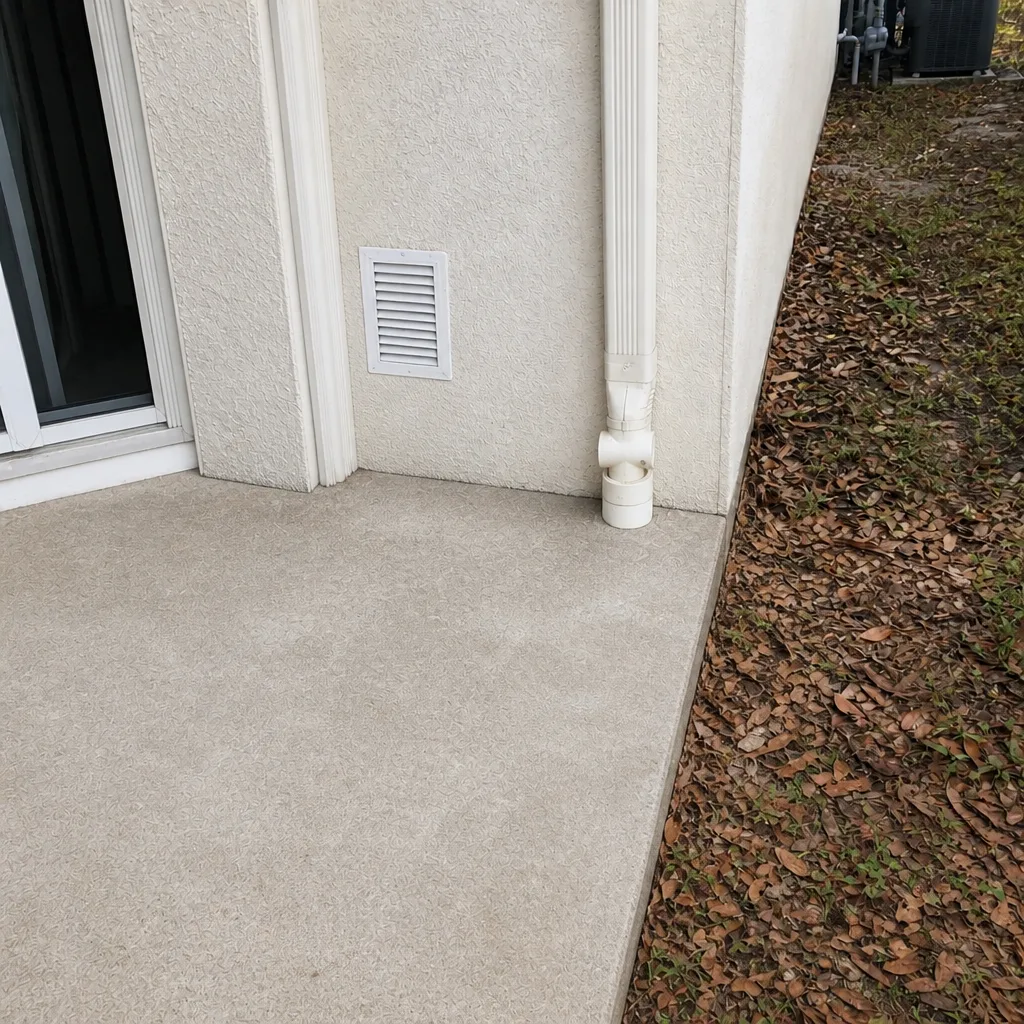 After
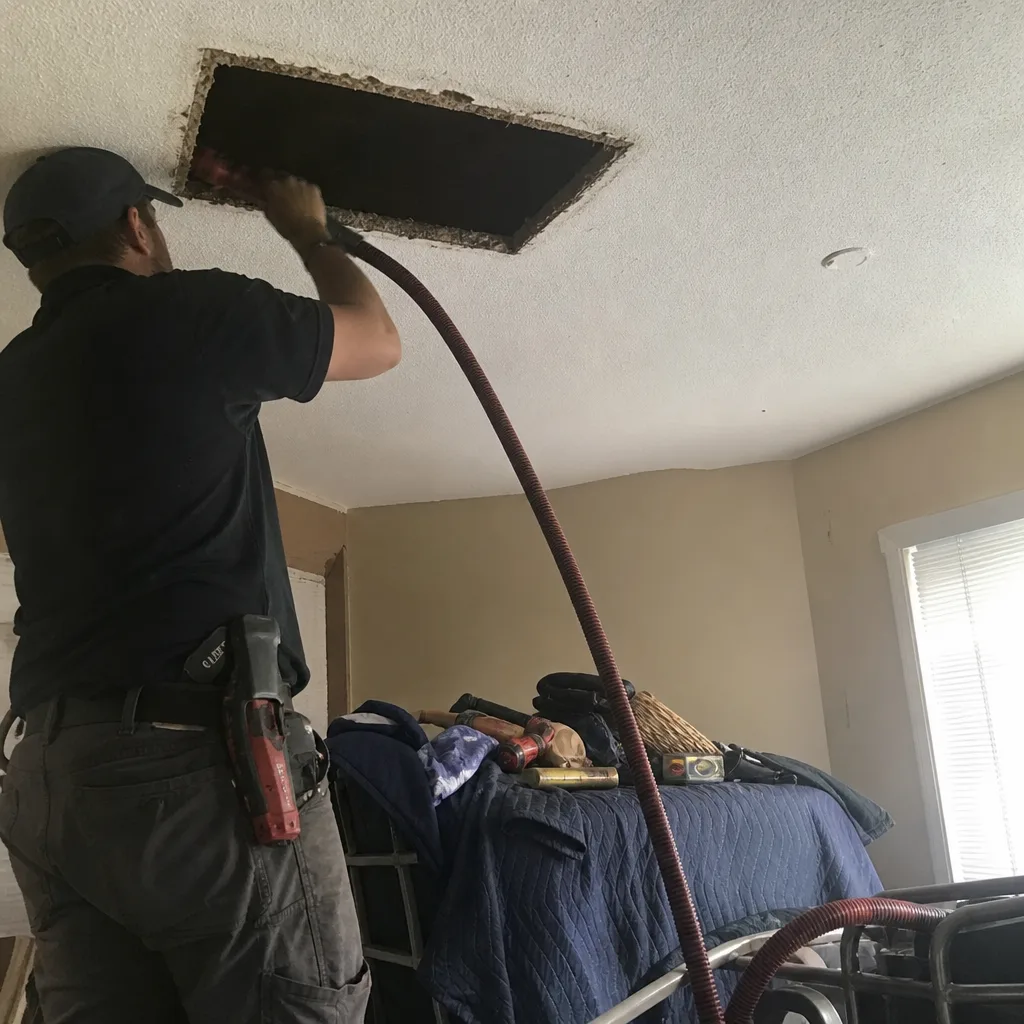 Before
 After
 Before
 After
When to Call a Professional
Call when the tissue test shows persistent weak airflow to one or more rooms after you’ve confirmed the registers are open. Call when a musty odor appears at system startup and returns after a surface wipe, because that pattern suggests biological growth that needs containment to remove safely. Call when the dryer takes noticeably longer to dry clothes or feels hot to the touch, since that’s a safety issue rather than a comfort one. Call when you’ve had ducts cleaned in the past and the same symptom came back, because a repeat problem usually means a structural fault the last visit didn’t address. And call if you hear air moving inside a wall, which points to a joint that’s come apart. Duct Cleaning Lehigh Acres offers free estimates in Lehigh Acres, with professional-grade equipment and a written estimate before any work starts. Call (855) 554-4780. We answer 24/7. Fast dispatch from 7am to 7pm, Sunday through Friday.
Frequently Asked Questions
Most whole-home cleanings in Lehigh Acres fall in a typical range, but the honest answer is that the price depends on your system’s size, layout and condition, so a written estimate is the only number that matters. We quote one flat price per system agreed before work starts, not a per-vent price, so you know the total upfront. Be cautious of a very low teaser figure; a low coupon price that grows into a much larger invoice once the technician is on site is the classic bait-and-switch in this trade. Call (855) 554-4780 for an exact quote, estimates are free.
Cheap quotes usually price one service with limited equipment and stop at the registers, while a full-system job includes the trunk lines, the air handler cabinet and containment of the debris that gets dislodged. The equipment difference is the biggest part: consumer-grade vacuums and shop-vacs don’t create negative pressure, so they loosen debris without capturing it. Professional-grade systems such as Nikro and Abatement Technologies equipment capture what they break loose. A low price that leaves contamination in the system isn’t a cheaper job; it’s an incomplete one. Call (855) 554-4780 for a written estimate that spells out the scope.
Ask for before-and-after photos of your own ducts, not generic ones from a brochure. A real cleaning job produces visible change at the register and inside the access points, and photos of your system are the proof. Ask what equipment was used and how containment was handled, and ask about any area the technician couldn’t reach. A professional will answer those questions directly. If you’ve had a job done and you’re unsure, call (855) 554-4780 to talk through what to look for.
There’s no universal schedule, and the “every year” advice is mostly sales pressure. For many Lehigh Acres homes, a cleaning every few years is sensible, with more frequent attention if you have pets, recent remodeling, allergy or asthma concerns, or a home that’s had a prior contamination issue. Humidity matters here: a home that runs humid for long stretches may need attention sooner than a similar home elsewhere. A free estimate can tell you what your system actually needs. Call (855) 554-4780 to schedule one.
A musty smell at startup usually means biological growth is present somewhere in the system, and in Lehigh Acres that’s often humidity-driven rather than dust-driven. The smell shows up first because the fan pushes air across contaminated surfaces before the system settles into steady operation. Cleaning with containment removes the growth; leaving it in place means the smell returns as moisture comes back. If the smell persists after a first cleaning, the next step is looking for a moisture source, such as a leak or an unvented exhaust. Call (855) 554-4780 for an assessment.
Yes. We provide free estimates for air duct cleaning, dryer vent cleaning and duct repair across Lehigh Acres. You get a written estimate before work starts, and the price is set per job rather than per vent. Our technicians have up to 8 years of experience with the systems common in this area, and we use professional-grade equipment from brands including Rotobrush, Nikro, Honeywell, Aprilaire and Abatement Technologies. Call (855) 554-4780. We answer 24/7. Fast dispatch from 7am to 7pm, Sunday through Friday.
The Bottom Line
Most duct problems in Lehigh Acres have a specific mechanical cause, and matching the symptom to the fault is the first step toward fixing it. A weak run in one room points to a collapsed flex duct. Weak airflow across several rooms plus dust or odor points to a disconnected trunk. A whistle at a register is a blockage. A musty smell at startup is humidity-driven growth, and it needs containment, not a shop-vac. The tissue-and-timer test gives you a starting location. From there, a camera inspection or a standard cleaning visit makes the diagnosis complete, and repair is the answer when the duct itself is the problem. If you’d like a technician to read your system with you, Duct Cleaning Lehigh Acres is here for Lehigh Acres homes.
Ready to stop guessing? Call (855) 554-4780 for a free estimate. We answer 24/7. Fast dispatch from 7am to 7pm, Sunday through Friday. You’ll get a written estimate, one flat price per system, before anything starts. Start with duct cleaning in Lehigh Acres and we’ll take it from there.
Written by the team at Duct Cleaning Lehigh Acres.