
Last updated November 15, 2026
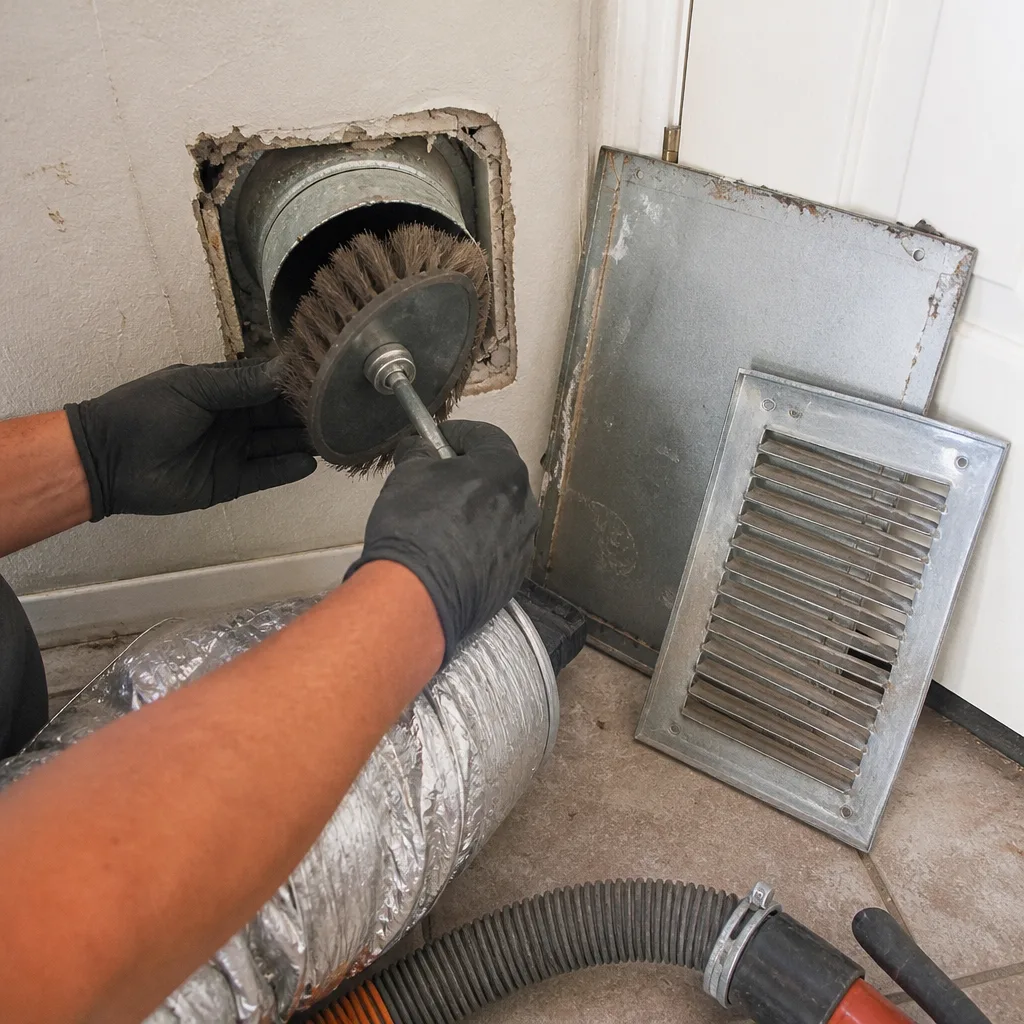
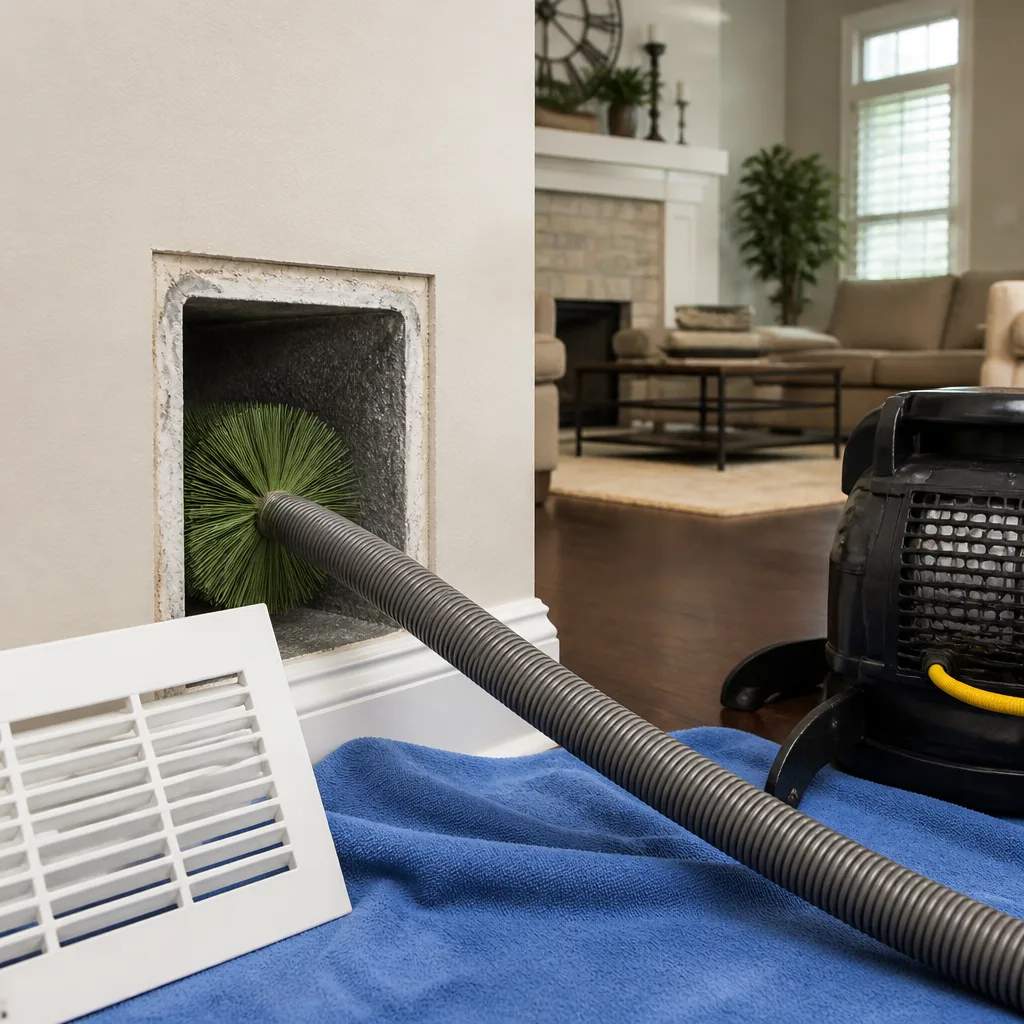 Whole-home duct cleaning
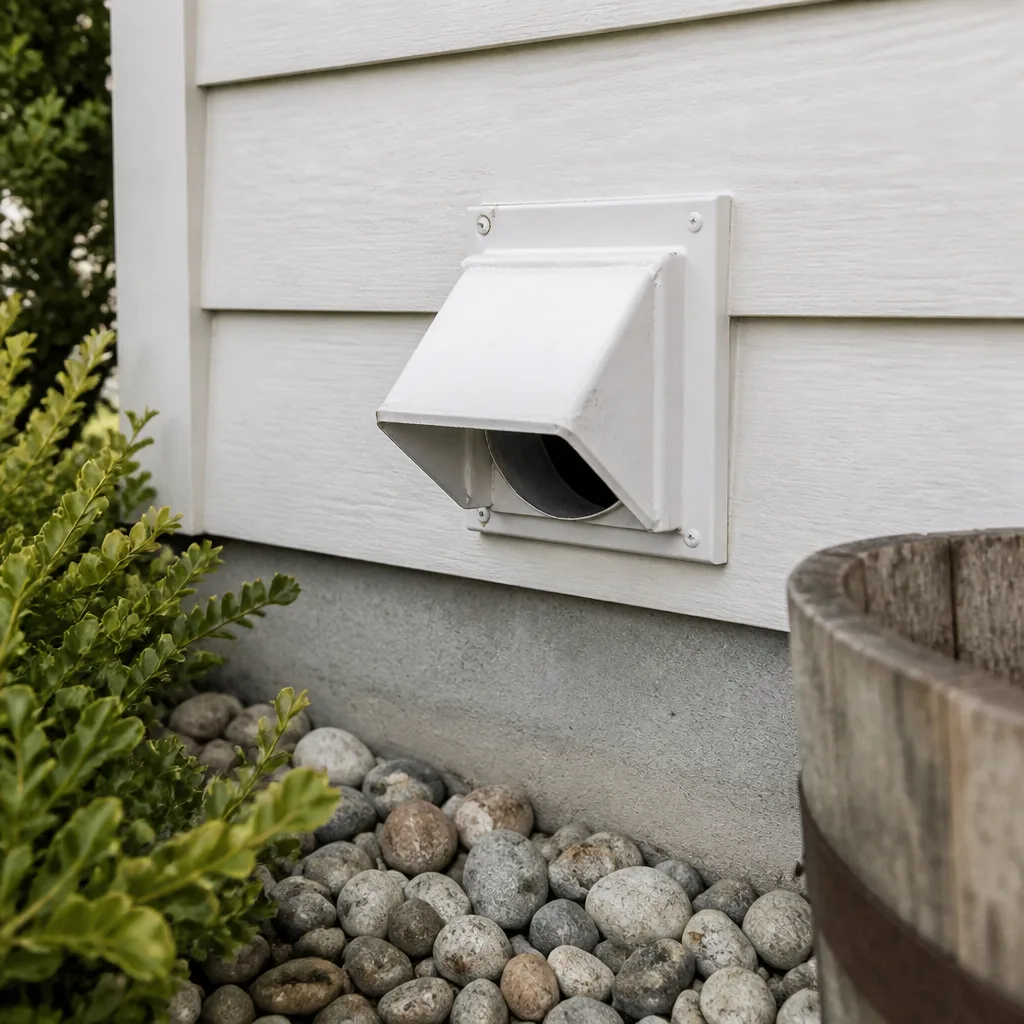 Dryer vent cleaning
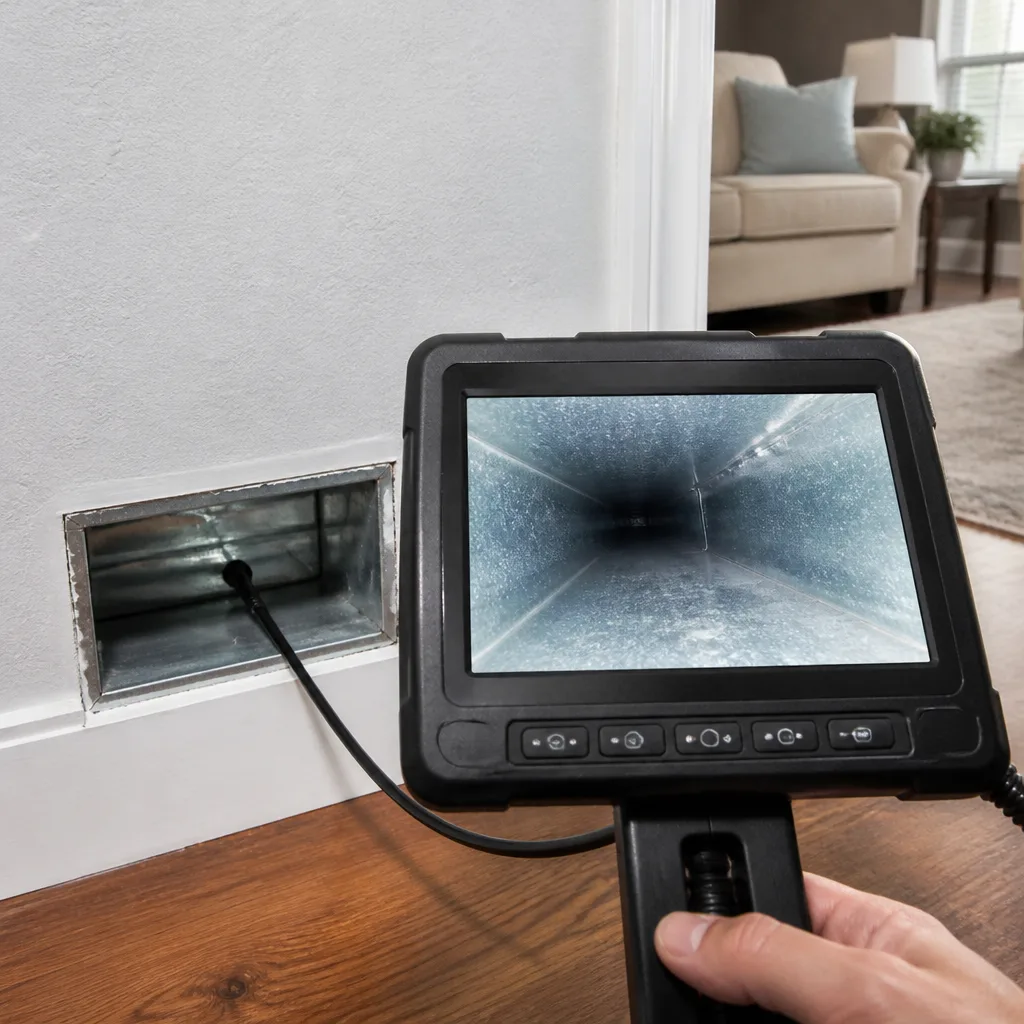 Camera inspection
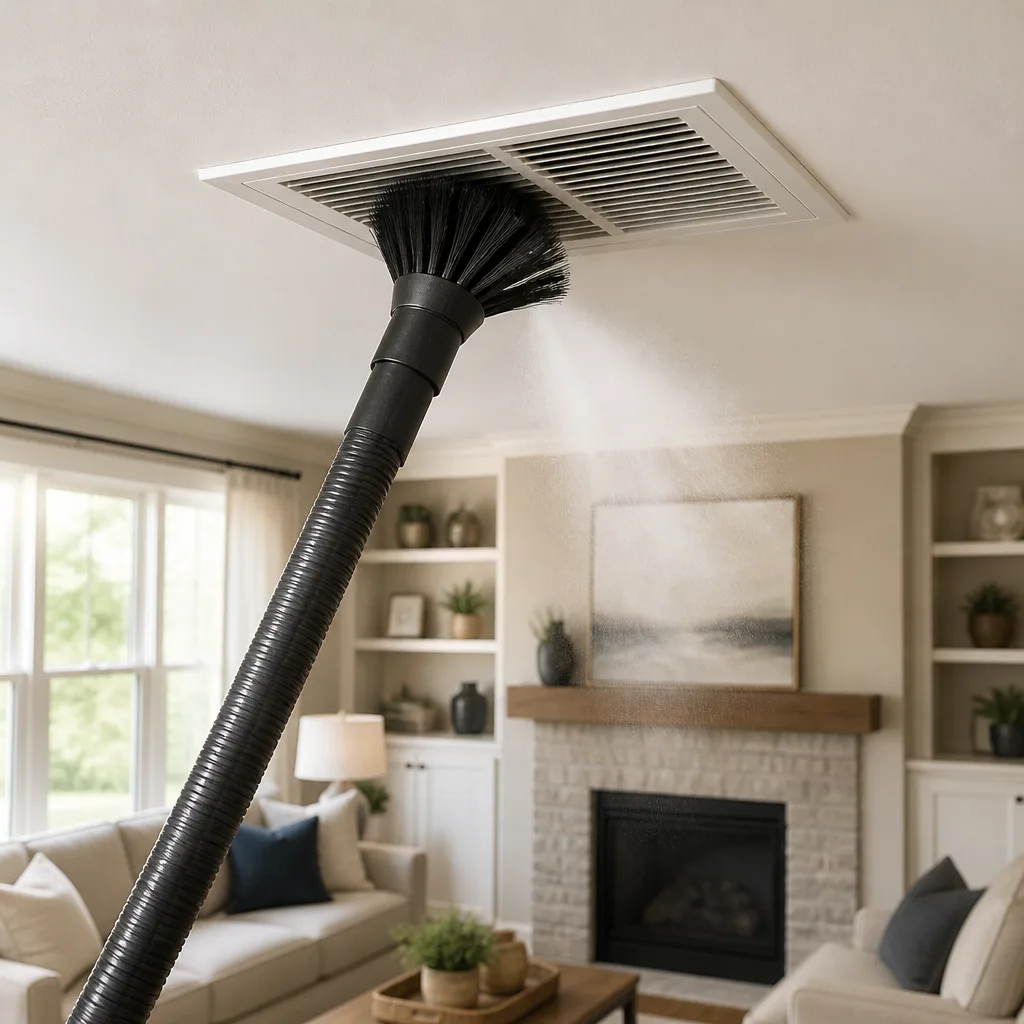 Sanitizing & deodorizing
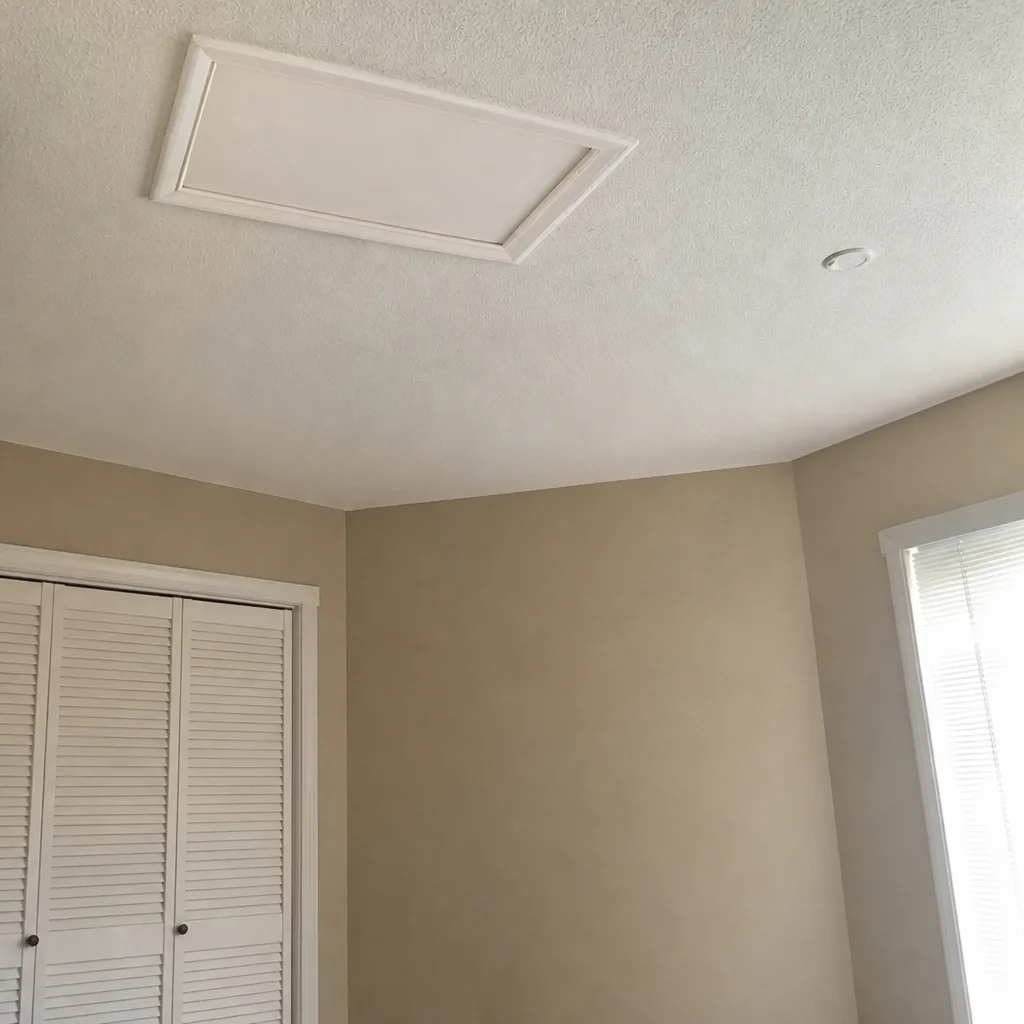
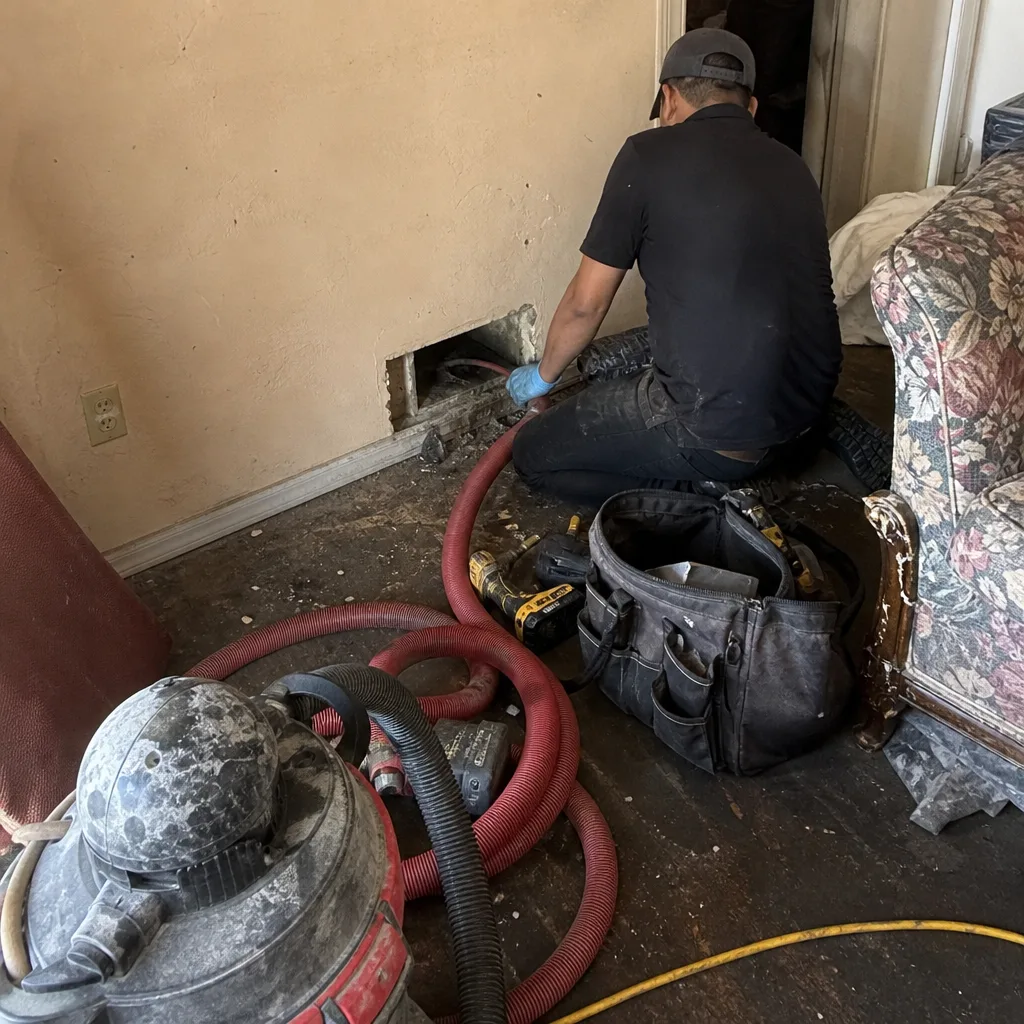
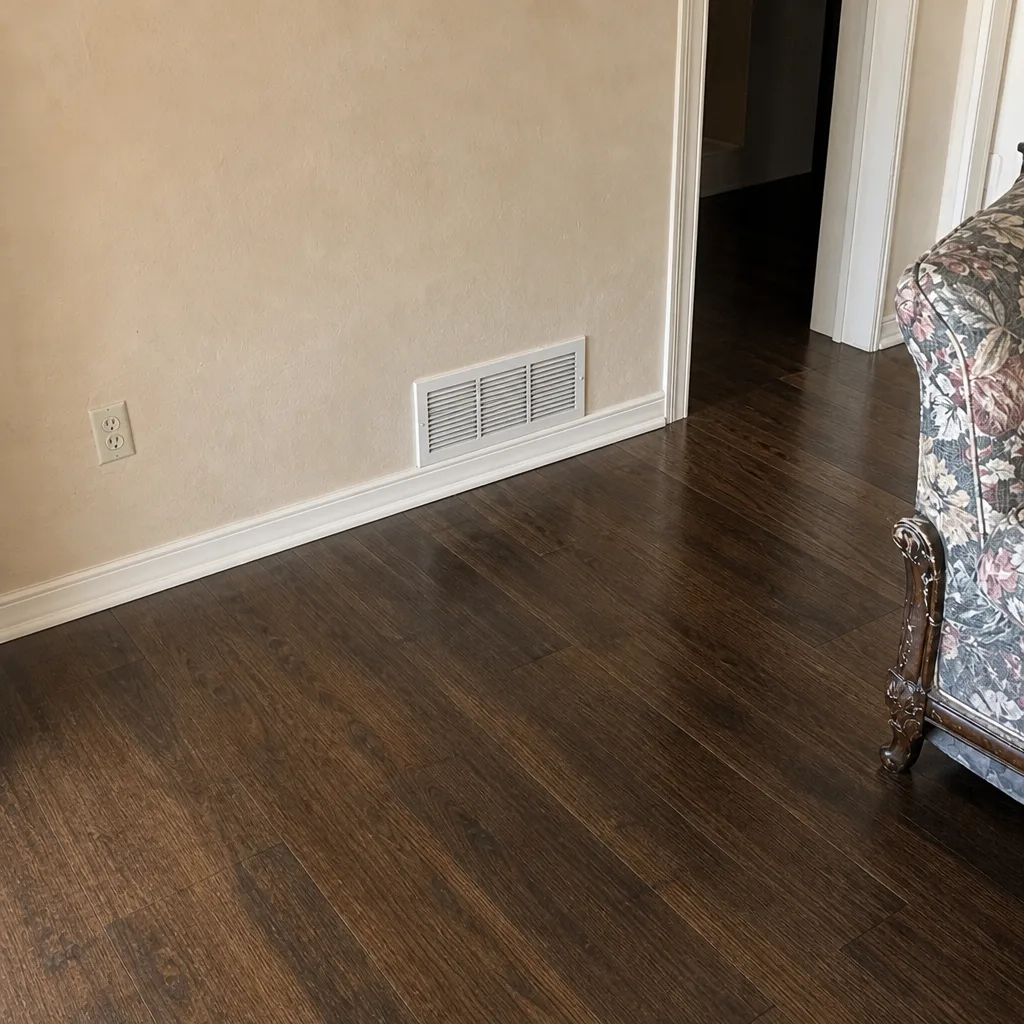
Whole-system duct and dryer vent check with before-and-after photos - you see exactly what came out of your vents
That "$99 whole-house special" is a bait ad - the real number appears once they are in your hallway, or the "clean" is a shop-vac at the register. We photograph the inside of your ducts before and after instead.
DIY vs Professional Air Duct Cleaning: The Lehigh Acres Homeowner’s Decision Guide
Most homeowners assume their shop vacuum is a smaller version of what a professional uses. It isn’t. A household vacuum is built to pull debris out of a carpet, and the moment you seal it against a duct run, it starts pushing air the wrong way through your system. That one difference explains why some DIY duct cleaning jobs make indoor air worse before the homeowner realizes what happened.
We’ve seen the confusion firsthand in Lehigh Acres, where the housing stock and the climate both add complications that a general internet guide won’t cover. This guide draws a clear line: what you can genuinely handle yourself with consumer tools, what requires professional-grade equipment, and why the gap between those two isn’t a sales tactic.
Styles & brands we work with
- Whole-home duct cleaning
- Dryer vent cleaning
- Camera inspection
- Sanitizing & deodorizing
Quick Answer
A homeowner can legitimately handle register cleaning, filter replacement, accessible sections of a dryer vent, and visual inspection of ductwork. Everything beyond that first few feet requires negative-air containment, high-velocity agitation, and a HEPA filtration system that consumer vacuums physically cannot match. For anything past routine surface maintenance, professional cleaning is the correct call.
Table of Contents
- Why Consumer Vacuums Can’t Do What Professional Equipment Does
- The Legitimate DIY Checklist: What You Can Actually Handle
- Why Lehigh Acres Attic Duct Systems Make DIY Deep Cleaning Risky
- The Mold Scenario: When DIY Becomes a Health Liability
- Cost-Benefit: Professional Cleaning Amortized Over a 3-5 Year Cycle
- What Professional-Grade Equipment Actually Looks Like
- Common Mistakes to Avoid
- When to Call a Professional
- Frequently Asked Questions
Why Consumer Vacuums Can’t Do What Professional Equipment Does
The core problem with consumer duct cleaning isn’t power. It’s air direction and containment. A standard household vacuum pulls air from one location and exhausts it into the surrounding room. When you push the hose into a register and turn it on, the vacuum’s exhaust air enters the duct system and carries dust particles back through the house. Most of what you dislodge ends up on your furniture, your curtains, and your family’s airway.
Professional duct cleaning works on a different principle entirely. Here’s the sequence:
- Negative pressure containment. A large vacuum unit connects to the main trunk line and pulls the entire duct system into negative pressure. Every register in the house becomes an intake point pulling air toward the containment unit.
- Mechanical agitation. A rotary brush or air whip travels through each branch line, breaking loose accumulated debris from the duct walls. This is the step that actually removes buildup. Suction alone won’t touch compacted dust against galvanized steel or flex duct.
- HEPA filtration. The containment unit filters exhausted air through HEPA media before it exits the system, capturing particles that would otherwise remain airborne in the home.
- Before-and-after verification. A camera inspection or photo documentation confirms that the debris was removed rather than relocated.
A shop vacuum is a positive-pressure system when sealed against a duct opening. A professional unit is a negative-pressure system. Those aren’t the same job with different budgets; they’re opposite airflows that produce opposite results. That’s the first reason we recommend air duct cleaning with professional-grade equipment for any duct system showing visible buildup.
The Legitimate DIY Checklist: What You Can Actually Handle
We’re not going to tell you everything requires a professional. Some maintenance tasks genuinely belong in the homeowner’s hands, and doing them consistently extends the life of the duct system without any special equipment.
Task 1: Register and Return Grille Cleaning
Remove the register covers from your supply and return vents. Wash them in warm water with a mild detergent. Dust the visible opening and the first few inches of duct beyond the register with a dry microfiber cloth. Do not spray anything into the duct opening. No aerosol cleaners, no bleach solutions, no dusting sprays.
Use a crevice tool or soft brush attachment on a household vacuum to clean the visible surfaces of the register boot, the metal fitting that connects the register to the flex duct behind it. That’s the accessible zone. Stop when you can’t see what you’re doing.
Task 2: Filter Maintenance
Replace your HVAC filter on the schedule the manufacturer recommends for your system. If you can’t remember the last time you changed it, change it now. In Lehigh Acres, where the cooling season runs long and the system runs hard, filters load up faster than the generic guidance on the filter package suggests. Check monthly during peak cooling months and replace when the filter media looks gray or the pleats are visibly loaded.
A clogged filter starves the system of airflow and increases the load on the blower. It’s cheap maintenance and it matters more than most homeowners realize.
Task 3: The First Few Feet of Dryer Vent
Disconnect the dryer vent from the back of the dryer. Remove the flexible transition section and clear it of lint. This is the one duct-cleaning task a homeowner can legitimately handle, and it’s also the highest-value one because dryer lint is flammable. Clean the lint trap screen before every load, and if you have the flexible transition duct, replace it with a rigid or semi-rigid smooth metal duct if the manufacturer allows. Rigid duct accumulates less lint.
Everything past the transition duct, into the wall or floor and out to the exterior, is a different matter. A dryer vent cleaning professional uses rotary brushes and vacuum containment designed to remove compacted lint from the full run. Dryer vents are one of the leading causes of residential fires, and the lint that packs into the middle section is exactly what consumer tools can’t reach.
Task 4: Visual Inspection
Look at the visible portions of your ductwork inside the house and in accessible attic areas. You’re looking for loose tape, disconnected sections, crushed flex duct runs, and any sign of moisture or dark staining. Take photos. If you see something that concerns you, that’s information worth having before you call anyone.
Task 5: Keep the System Clean Between Service
Replace filters, keep return grilles clear, and vacuum the floor around registers. If you’re doing remodeling work in Lehigh Acres, seal off the work area and turn the HVAC system off while you’re cutting drywall or wood. Construction dust in ductwork is a common source of post-renovation air quality complaints.
Why Lehigh Acres Attic Duct Systems Make DIY Deep Cleaning Risky
A large share of homes in the Lehigh Acres area run their duct distribution through the attic in flex duct. That configuration creates two problems for any homeowner considering DIY deep cleaning.
The Physical Hazard
If your ducts are in the attic, the only way to access the branch lines is to crawl through that space. In Lehigh Acres, attic temperatures during the cooling season routinely reach levels that make extended work dangerous. The risks are concrete: heat stress, inadequate ventilation, low roof decks with exposed trusses and fasteners, and the difficulty of moving safely through narrow truss bays while carrying tools.
We don’t recommend homeowners spend extended time in a Lehigh Acres attic in the summer. It’s a genuine safety issue, not a convenient excuse. If your duct system requires access through the attic, that’s already a strong argument for professional equipment and trained technicians.
The Flex Duct Problem
Flex duct has a flexible inner core of plastic film over a wire helix, surrounded by insulation and an outer vapor barrier. It’s durable when handled properly and easily damaged when it isn’t. A homeowner crawling through an attic and aggressively pushing a shop vacuum hose into a flex run can disconnect the inner core from the boot, crush the duct against a truss, or tear the vapor barrier. All three cause leakage and reduced system efficiency. Some of the connections you can’t see from inside the house are the ones most vulnerable.
The flex duct also accumulates more debris along its bottom surface than rigid metal duct, because the corrugations catch particles. Removing that compacted layer requires a rotary brush sized for the duct, with controlled speed and tension. A shop vacuum with a crevice tool will skim the loose dust on top and leave the rest.
For a detailed look at how professional cleaning handles Lehigh Acres attic systems, see Duct Cleaning Lehigh Acres.
The Mold Scenario: When DIY Becomes a Health Liability
Any duct system can develop biological growth. In Lehigh Acres, the long humid season and the high cooling load create conditions that favor it. When a duct system runs cold and shuts off, condensation forms on the supply plenum, on the interior of metal ducts, or on the humid surfaces around it. The humidity lingers. This is enough to support mold growth without a visible water leak.
If you see dark staining, white or black speckled growth on the inside of a duct opening, or a musty odor that returns shortly after you clean the registers, the situation has crossed a line. Now you’re not dealing with dust. You’re dealing with potential biological contamination, and that changes the equation.
Why DIY Intervention Makes It Worse
- Agitation of mold-contaminated duct surfaces without proper containment disperses spores into the living space. The vacuum exhaust will carry them into the air your family breathes.
- Surface wiping of the visible area doesn’t address the growth deeper in the duct or on the plenum interior.
- Applying a household or spray product into the duct is not a remediation approach. It doesn’t remove the source, and it can introduce unknown chemistry into the air delivery system.
- The root cause is nearly always a moisture condition. Cleaning the growth without addressing humidity or condensate problems means it comes back.
In these situations, don’t touch it yourself. Call a professional who can assess the extent of contamination, use containment equipment during cleaning so that spores are captured rather than redistributed, and identify whether an HVAC contractor needs to address the moisture source. If the growth is extensive, ask whether remediation protocols apply before cleaning begins. That’s a question worth asking before you schedule, not after.
Cost-Benefit: Professional Cleaning Amortized Over a 3-5 Year Cycle
The cost-benefit argument for DIY usually assumes you’re comparing a professional bill to zero. That’s not the real comparison. The real comparison is between a professional cleaning amortized over its useful cycle and the ongoing cost of running a contaminated system, plus whatever damage the DIY attempt causes.
What does running a contaminated duct system actually cost? Here’s what the physics produce:
- Reduced airflow through the system forces the blower to work harder, increasing electrical consumption and accelerating wear on the blower motor.
- A dust-loaded evaporator coil reduces heat transfer efficiency, which raises cooling energy bills during the long Lehigh Acres cooling season.
- Accelerated particulate loading on the HVAC filter means you are buying and replacing filters more often.
- Aggravated allergy and asthma symptoms produce medical and quality-of-life costs that are difficult to quantify but real to anyone in the household affected by them.
Professional duct cleaning is typically a one-time investment followed by a 3-5 year cycle under normal residential conditions (twice that interval in homes with pets, recent renovation or higher particulate loads). Amortized across the cycle, the annualized cost is modest, and it comes with before-and-after documentation of what was removed.
A note on the market here: quotes for duct cleaning in Lehigh Acres vary widely, and the lowest number on a flyer usually reflects a different scope than you expect. When we quote a job, we quote a price per system, not per vent, set by written estimate before work begins. That protects you from the bait-and-switch pattern that has given the industry a reputation problem. When you get competing quotes on duct cleaning in Lehigh Acres, ask what equipment will be used, whether containment is part of the job, and whether the quote is a flat system price or per-register.
What Professional-Grade Equipment Actually Looks Like
You don’t need to know equipment brands to evaluate a cleaning quote, but a few specifics help you judge whether the provider is a specialist or a generalist with a vacuum. Here’s what the work looks like when it’s done with proper tools.
Agitation Sources
Rotary brush systems (Rotobrush is the industry-standard name in this category) and pneumatic air whips or skipper balls are the two main agitation tools. Rotobrush uses counter-rotating brushes driven through the duct to scour the walls and dislodge compacted dust. Air tools use high-velocity compressed air to break up debris along the duct surfaces. Nikro equipment covers similar ground on the collection and filtration side.
Containment and Filtration
Abatement Technologies negative-air equipment is what you should look for if you’re paying for serious work. This brings remediation-level containment to a standard residential cleaning. The containment unit draws the entire duct system into negative pressure, pulls dislodged debris into a HEPA filtration chamber, and exhausts filtered air. Contaminants captured, not recirculated.
Whole-Home Air Quality Familiarity
If you have an Aprilaire whole-house humidifier or dehumidifier, or a Honeywell air quality system, the cleaning process has to work with those components, not around them. The ducts aren’t isolated from the air handlers, bypass ducts, and control dampers. A cleaning technician who isn’t familiar with these systems can miss accessible sections or damage control components. We work with these systems routinely.
Repair Capability
Professional cleaning often reveals compromised ductwork: disconnected flex runs, rusted rigid duct, damaged plenum connections, crushed runs closed off by furniture or construction. A cleaner who only cleans will report the problem and leave it. We can address it as part of the visit under Lehigh Acres air duct repair, which is a different service from cleaning and uses different methods.
Common Mistakes to Avoid
- Pushing a shop vacuum hose into a register. The exhaust air goes into the duct and pushes dust through the return system. This is the most common DIY error and the one most likely to make the problem worse.
- Spraying cleaning solutions or bleach into ductwork. Ducts deliver air to occupied rooms. Anything you introduce into them will be distributed throughout the house. Don’t use liquid cleaners, aerosols, or essential oils inside a duct system.
- Crawling through a Lehigh Acres attic in the summer without understanding the heat load. Attic temperatures during the cooling season are dangerous, and the space is tight. Don’t go in there to do deep duct work yourself.
- Confusing “per vent” quotes with whole-system quotes. A low per-vent price often reflects a cheaper process, less equipment, or an added-cost surprise once the technician is on site. Ask for a flat system price before work begins.
- Cleaning the ducts and ignoring the dryer vent. The two services are related safety issues. If a provider does duct cleaning but treats dryer vent cleaning as an optional add-on, that tells you something about their priorities.
- Skipping inspection after visible problems. If you find dark staining, loose flex duct, or disconnected sections during your visual inspection, don’t clean over it. Address the damage first, then clean.
- Expecting a schedule without knowing the interval. Homes with pets, allergy or asthma sufferers, or recent renovation need shorter cycles. Get a straight answer on timing rather than adopting a fixed “every X years” rule.
When to Call a Professional
Call a professional if any of these apply: visible dust buildup inside the ductwork past the register boot; dark staining, speckled growth, or a musty odor that returns after register cleaning; a home with allergy or asthma sufferers who notice symptoms when the system runs; a recent major renovation with drywall or construction dust; pets in the home and no professional cleaning in your memory; or a duct system located in a Lehigh Acres attic that needs deep cleaning or inspection. Also call if you aren’t sure how long it’s been since the system was cleaned. An inspection gives you the information to decide.
Duct Cleaning Lehigh Acres offers free estimates in Lehigh Acres. Call (855) 554-4780. We answer 24/7, and you’ll get a flat price per system, set in writing before work starts, with before-and-after photos of your own ducts.
Frequently Asked Questions
Duct cleaning in the Lehigh Acres market is priced per system, and the range depends on the number of trunk and branch runs, attic access difficulty, and whether the job includes dryer vent cleaning or duct repair. We quote a flat price per system in writing before work begins. Call (855) 554-4780 for an exact quote. Estimates are free.
A very low quote usually reflects a different scope than you expect: less equipment, no containment, no photo documentation, or a low per-vent advertised price that turns into a much larger invoice once the technician is on site. Ask what equipment and containment the quote includes. One flat price per system agreed before work starts is the honest way to price the job. Call (855) 554-4780 and we’ll walk you through exactly what we’d do in your home.
Before-and-after photos of your own ducts, not stock images, are the way to verify. A professional cleaning produces visible evidence that the duct interiors changed. If a provider can’t document the before and after, ask why. Call (855) 554-4780 to see what documentation we provide.
For most homes, a 3-5 year cycle is a reasonable starting point. Homes with pets, allergy or asthma sufferers, recent renovation, or that have never had the system cleaned should consider more frequent service. The honest answer is that the interval depends on your household. An inspection tells you what the system actually looks like. Call (855) 554-4780 to schedule one.
You can clean the transition duct behind your dryer and the lint trap screen, and you should. You can’t practically clean the full run into the wall and out to the exterior without the right brush equipment and containment. Dryer vents are a leading cause of residential fires, and that full run is what matters. Call (855) 554-4780 for professional dryer vent cleaning and we’ll show you what we find.
Ask what equipment they use, whether containment is part of the job, whether the quote is a flat system price or per-vent, and whether before-and-after photos are included. A specialist can answer all four without hesitation. Generalist cleaners and franchise operations usually can’t. Call (855) 554-4780 and we’ll answer them all before you book.
The Bottom Line
Here’s where the line falls. You can handle register cleaning, filter replacement, the first few feet of your dryer vent, and visual inspection. These tasks matter and they extend the life of your system. Beyond that first accessible zone, the physics changes: consumer vacuums create positive pressure and redistribute contamination through the house rather than remove it. Professional negative-air containment and rotary agitation do the job properly. In Lehigh Acres, attic flex duct systems make DIY deep cleaning physically hazardous as well as ineffective. The annualized cost of a professional cleaning over a 3-5 year cycle is reasonable against the costs of running a contaminated system. Call (855) 554-4780. We answer 24/7, fast dispatch from 7am to 7pm, Sunday through Friday.
Written by the team at Duct Cleaning Lehigh Acres.
See the difference
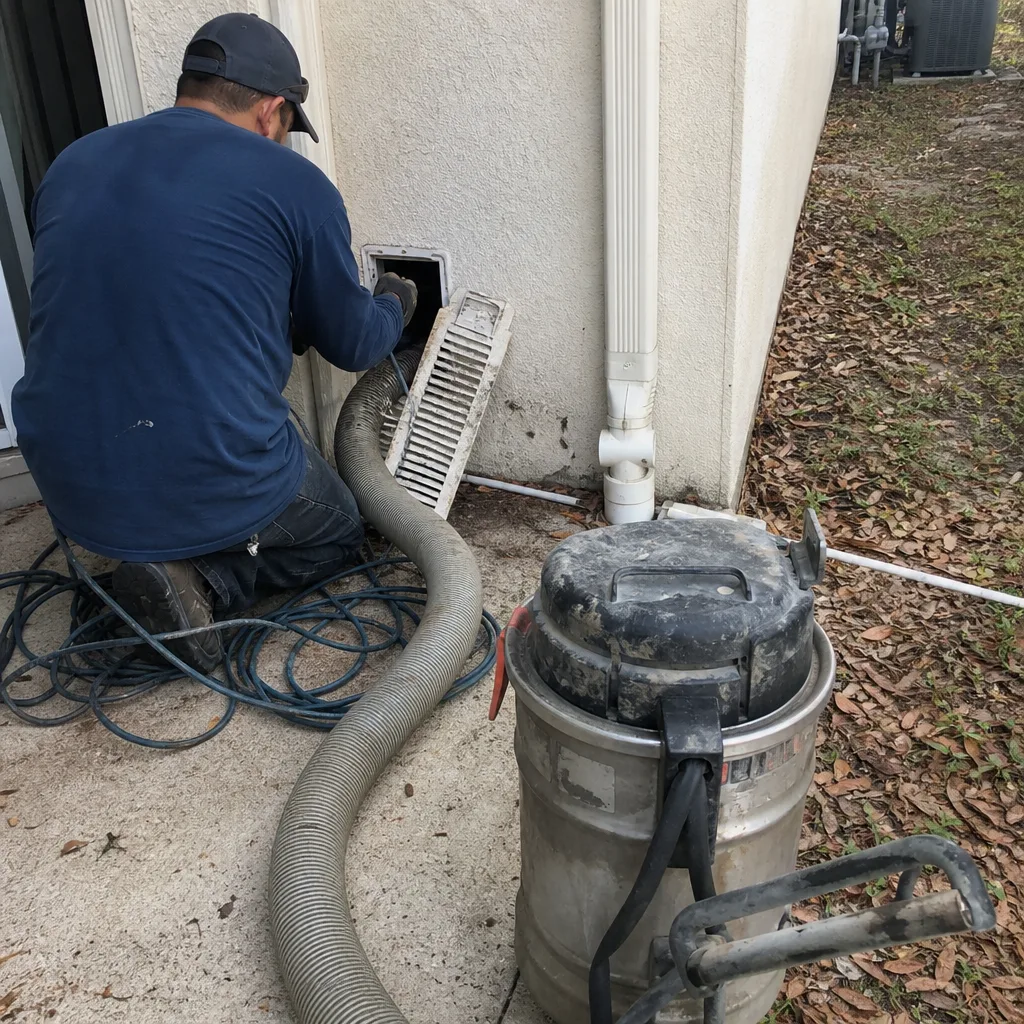 Before
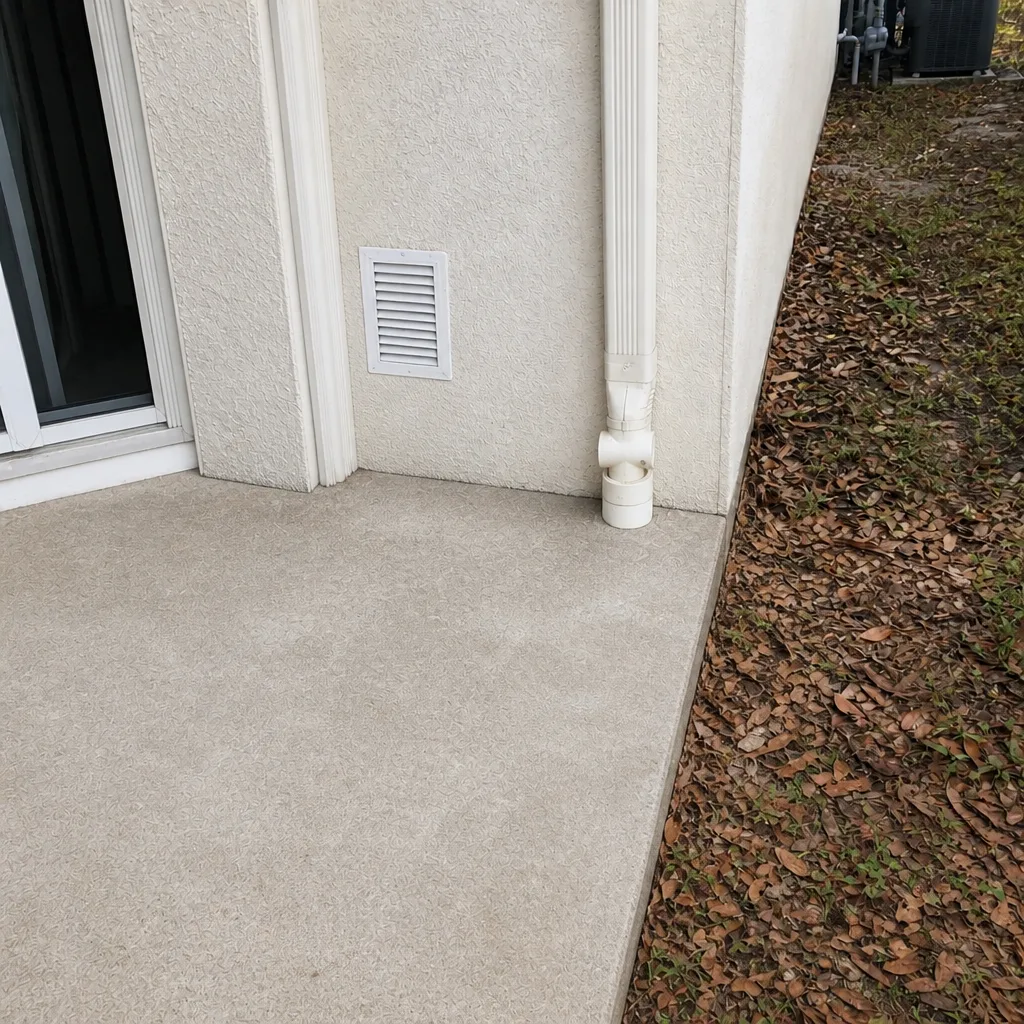 After
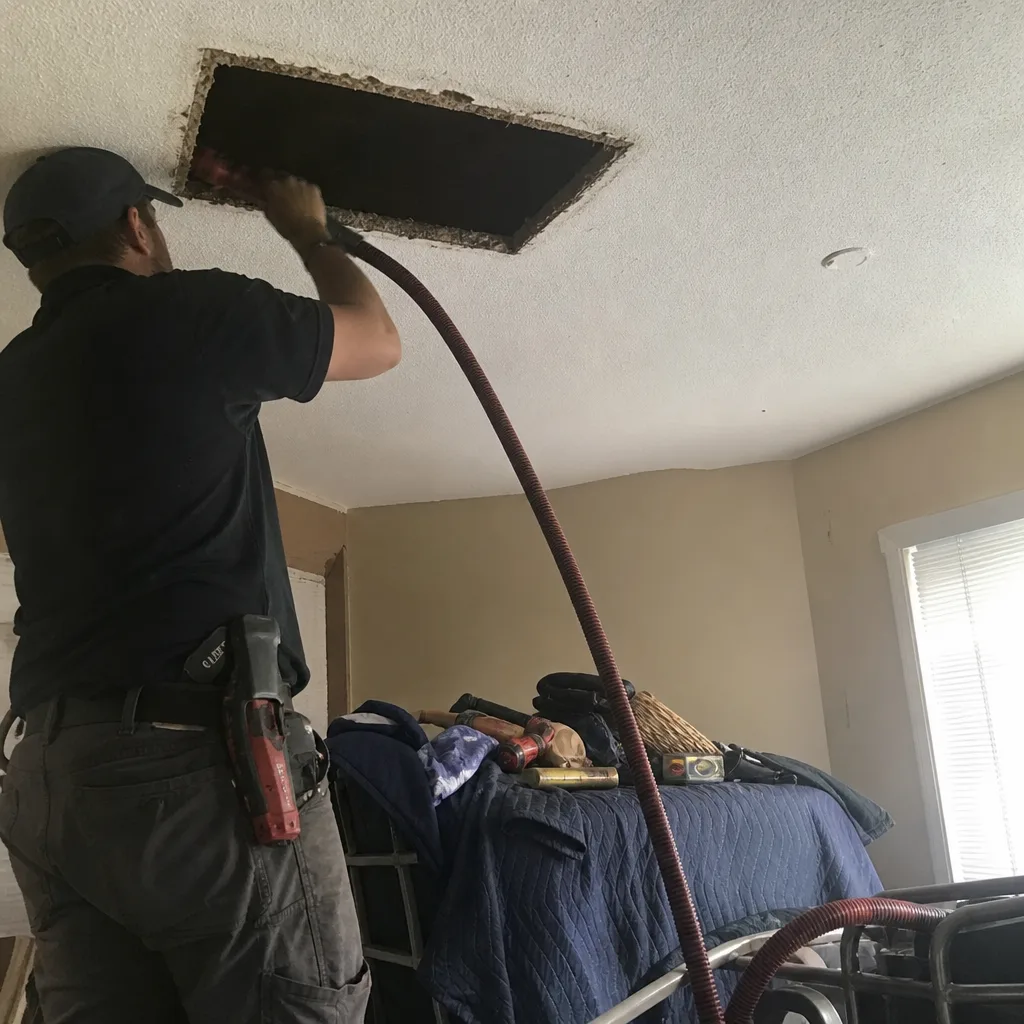 Before
 After
 Before
 After