
Last updated November 15, 2026
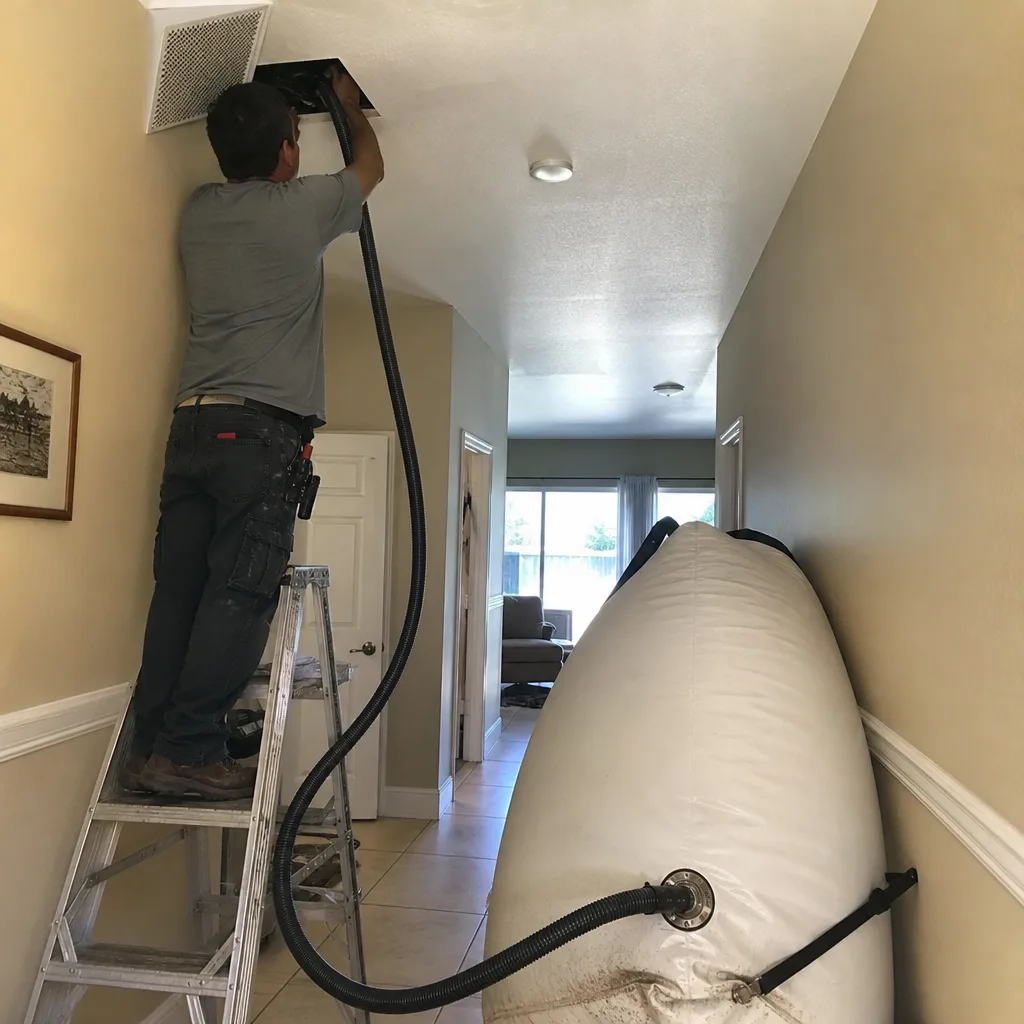
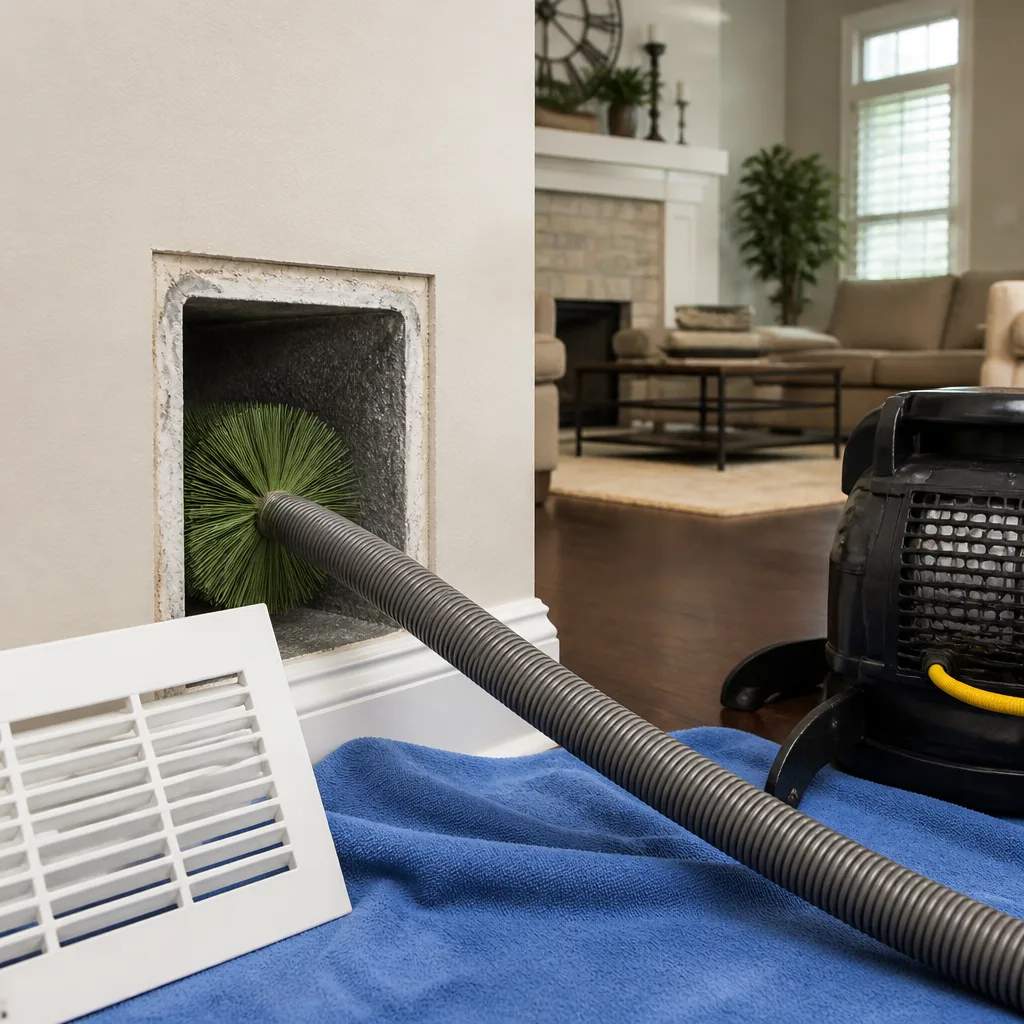 Whole-home duct cleaning
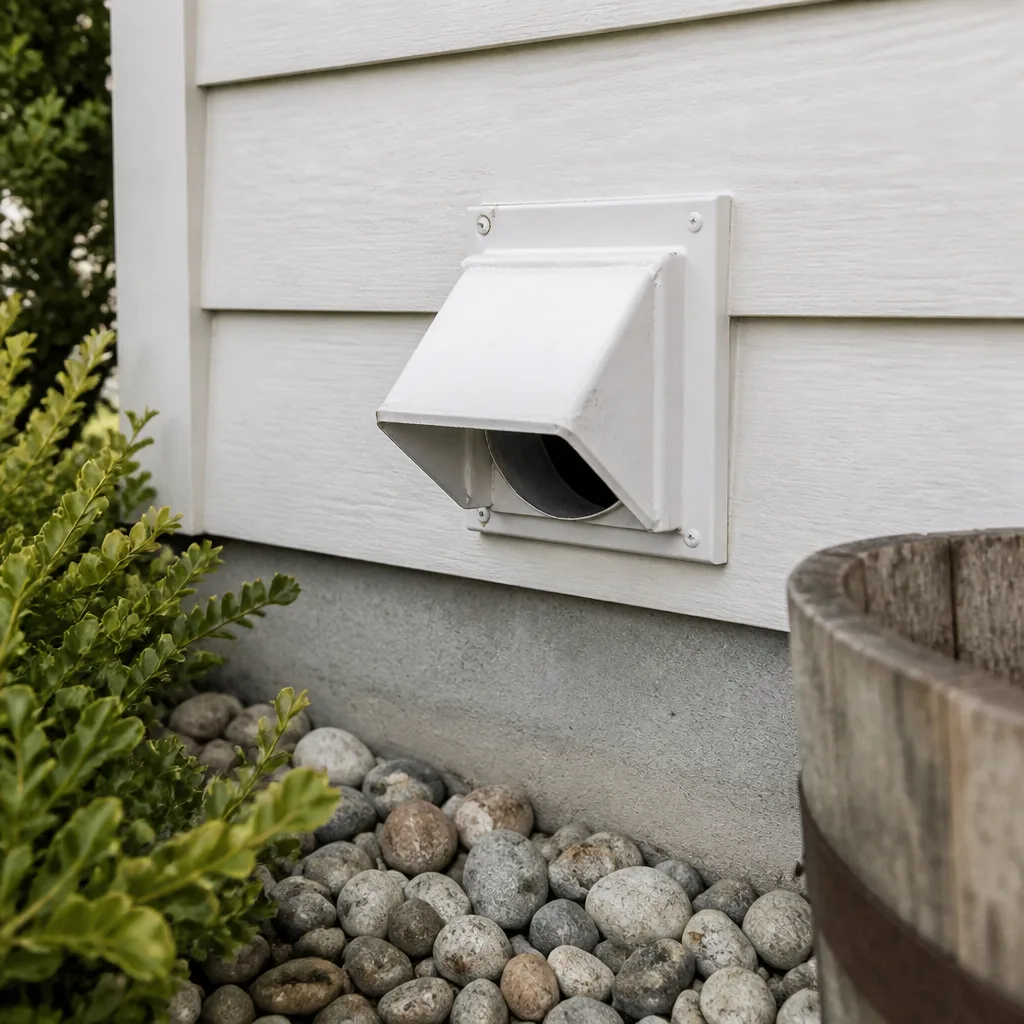 Dryer vent cleaning
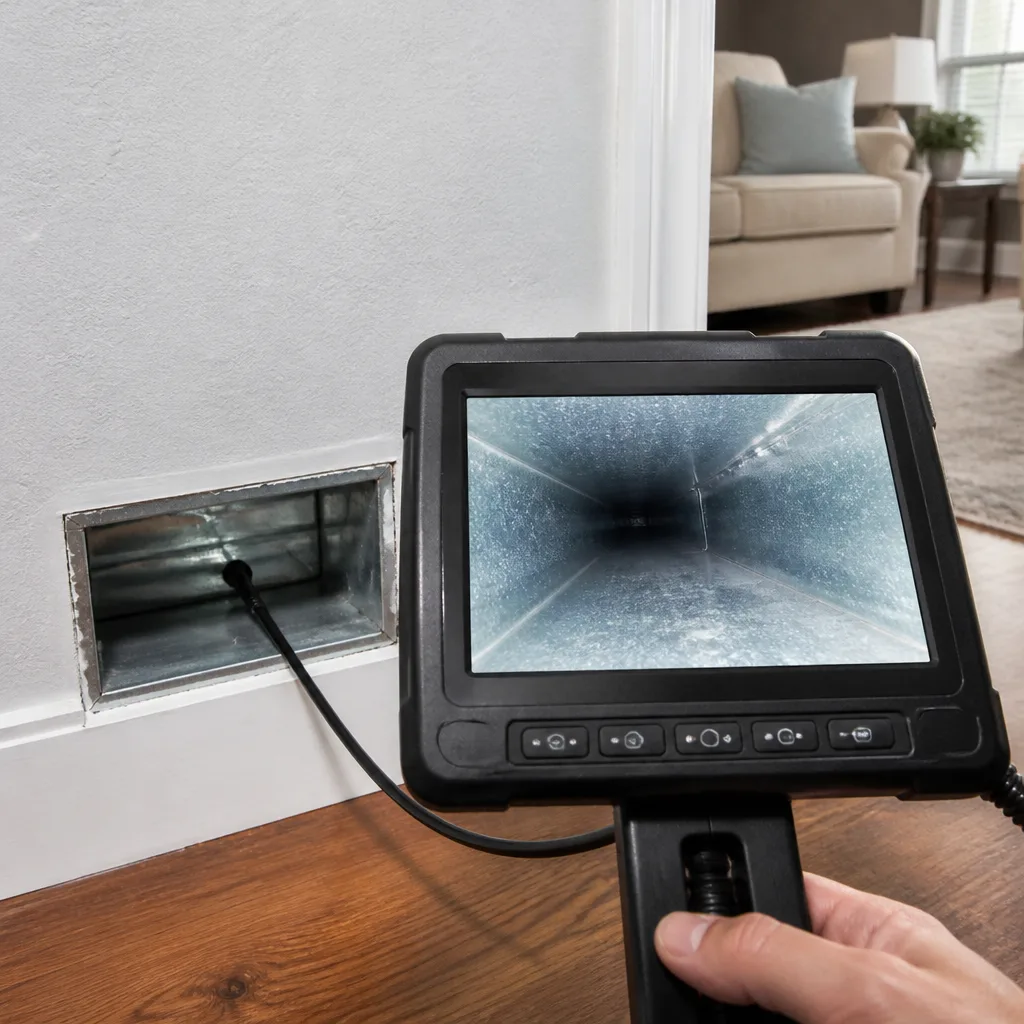 Camera inspection
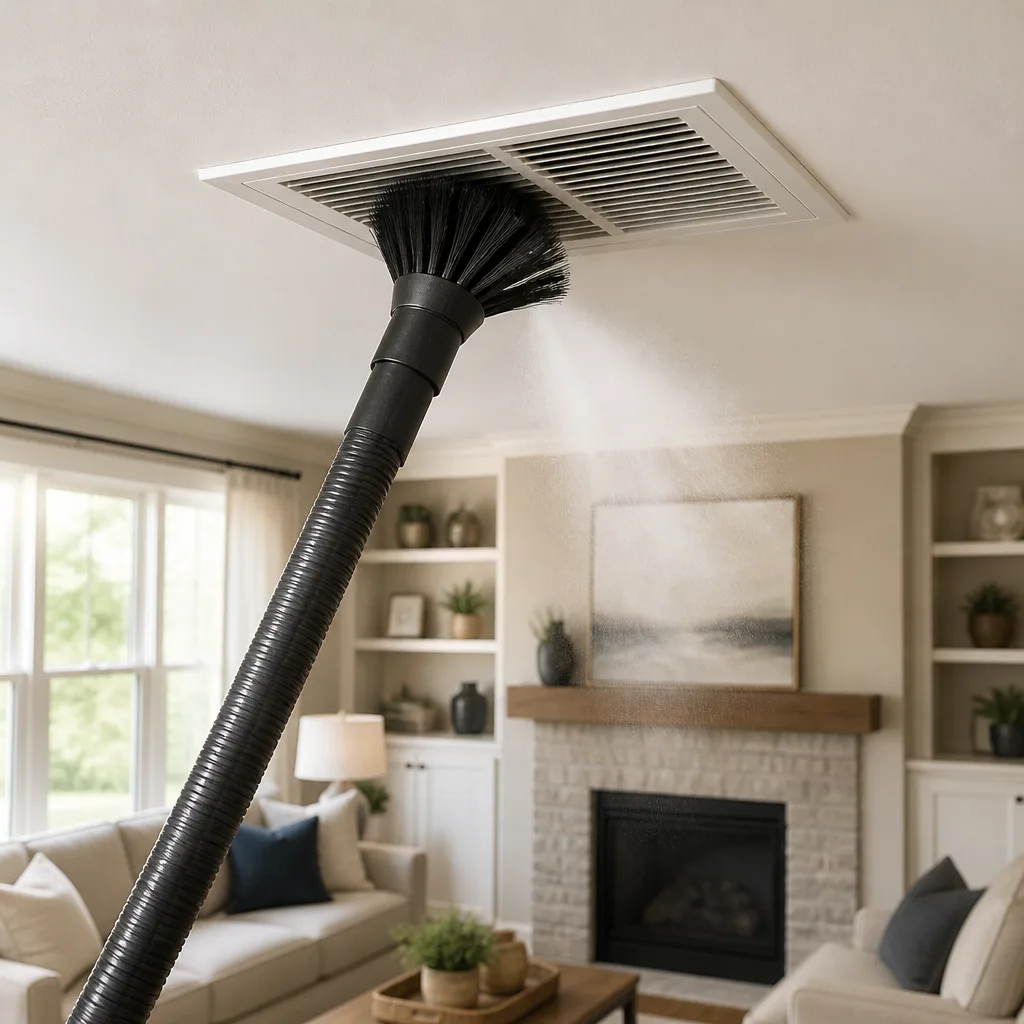 Sanitizing & deodorizing
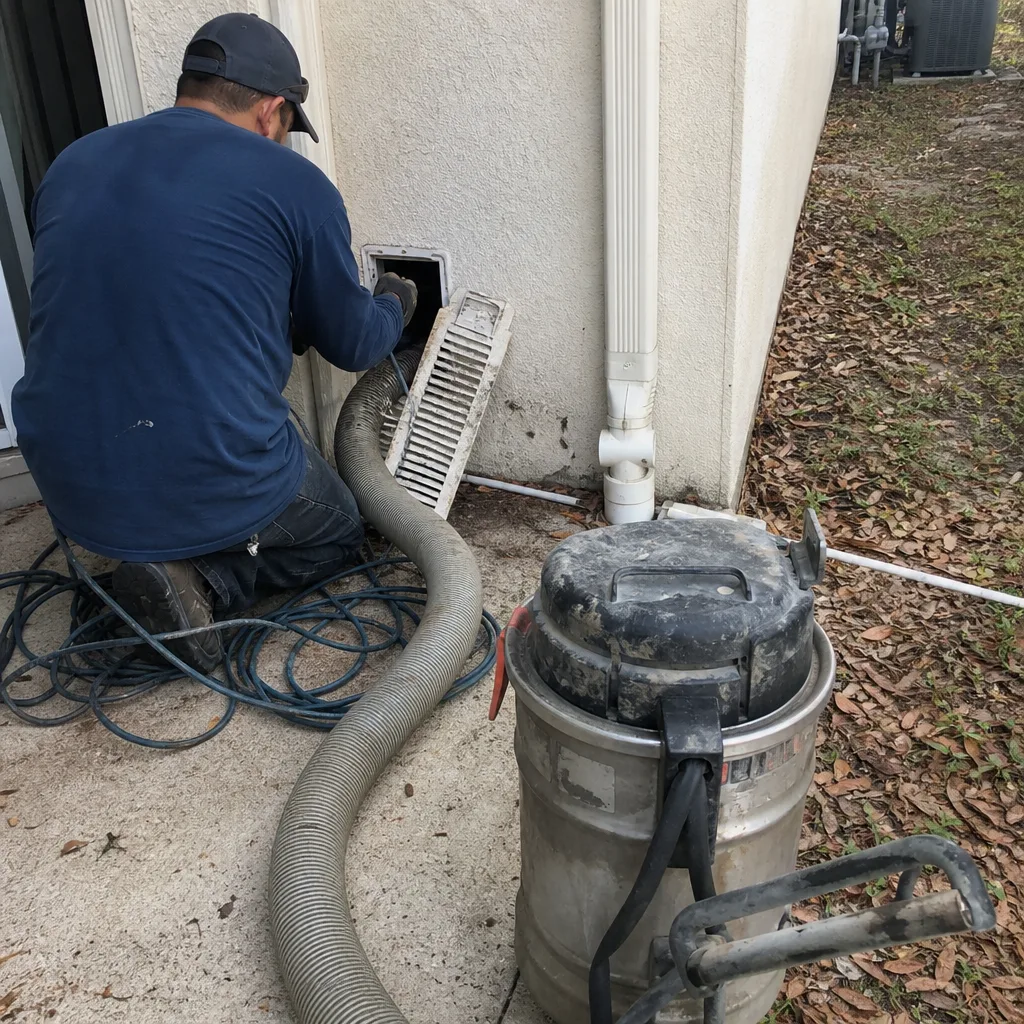
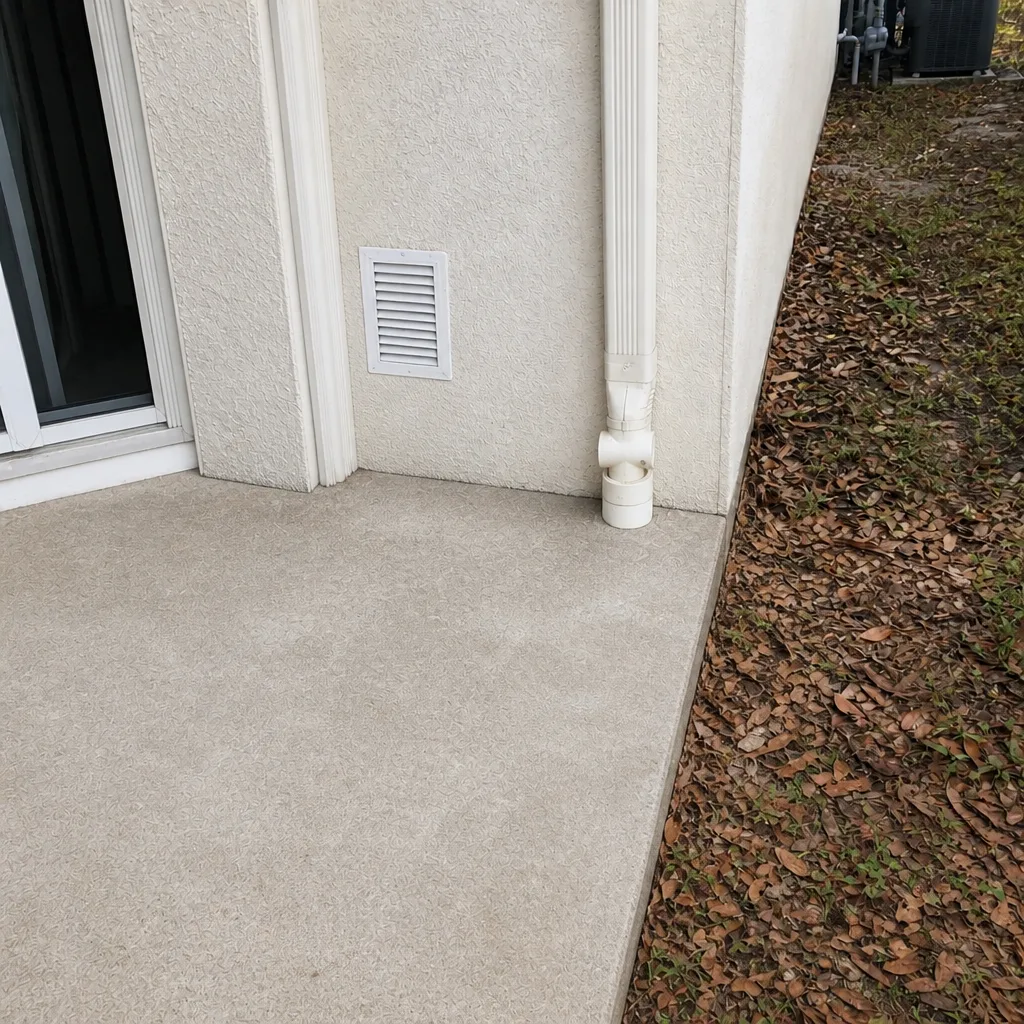
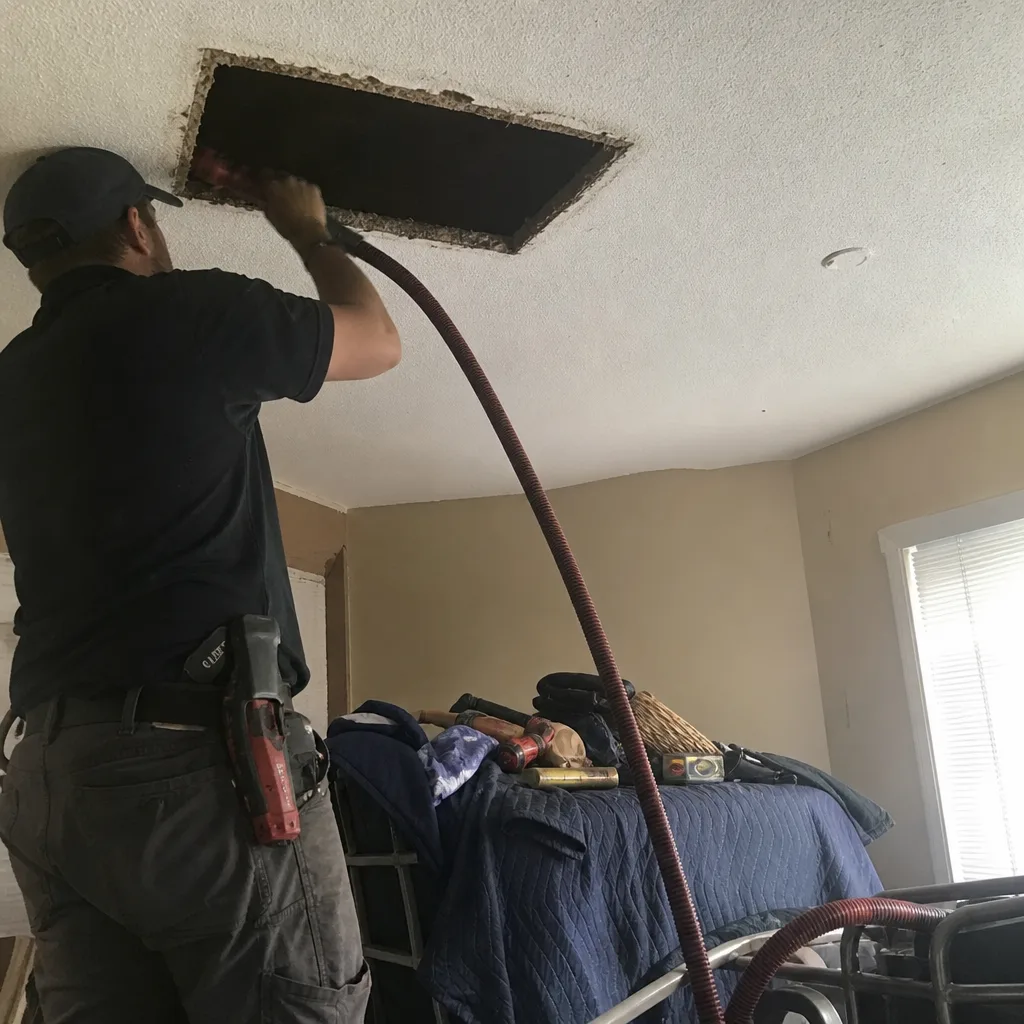
Whole-system duct and dryer vent check with before-and-after photos - you see exactly what came out of your vents
That "$99 whole-house special" is a bait ad - the real number appears once they are in your hallway, or the "clean" is a shop-vac at the register. We photograph the inside of your ducts before and after instead.
Air Duct Cleaning Cost Breakdown: The Lehigh Acres Homeowner’s Reference for 2026
A quote of $299 and a quote of $899 for “air duct cleaning” in Lehigh Acres can describe completely different scopes of work. Or the same scope with radically different equipment. The number alone tells you almost nothing without a line-item breakdown. That’s the problem with shopping for this service the way you’d shop for a water heater or a set of tires: the headline price hides the actual job. This reference walks through what a legitimate quote should itemize, what drives cost up or down in Lehigh Acres homes specifically, and how to compare two bids without getting fooled by the cheap one.
Quick Answer
Air duct cleaning in Lehigh Acres typically runs $350 to $700 for a single-system home, with larger or dual-zone homes landing between $600 and $1,100. Add-ons like dryer vent cleaning usually add $100 to $175, and coil cleaning runs $150 to $300. A fair quote breaks out each component by name, states the equipment being used, and confirms one flat price for the whole system before any work begins.
Styles & brands we work with
- Whole-home duct cleaning
- Dryer vent cleaning
- Camera inspection
- Sanitizing & deodorizing
Table of Contents
- What Actually Drives Air Duct Cleaning Cost in Lehigh Acres
- Single-System vs. Dual-Zone Homes: Why the Price Jumps
- Dryer Vent, Coil Cleaning, and Sanitizer: Add-On Pricing Explained
- How to Compare Two Quotes Apples-to-Apples
- Why Professional Equipment Shows Up in the Price
- Red Flags in Low-Ball Quotes
- How a Typical Duct Cleaning Job Runs, Start to Finish
- How Often Lehigh Acres Homes Really Need This Done
What Actually Drives Air Duct Cleaning Cost in Lehigh Acres
Four variables account for nearly all of the price difference between two quotes on the same house. Understand these and the numbers stop looking arbitrary.
Home square footage and duct count. A 1,400-square-foot home with a single air handler and a dozen supply registers is a different job than a 2,800-square-foot home with twenty-plus runs. The equipment runs longer, the technician handles more connections, and the containment setup covers more ground. Most quotes scale primarily on the number of duct runs, not square footage alone.
System configuration. A single-zone system has one air handler. A dual-zone system has two, and each zone needs its own cleaning pass with separate containment. That’s roughly double the labor even when the square footage is similar.
Access complexity in slab-foundation homes. Lehigh Acres is built almost entirely on slab foundations, which means no basement and no crawlspace to work from. All ductwork is either in the attic or run through the ceiling assembly. Attic access in the Florida heat is a genuine labor factor: technicians work in spaces that reach well over 100 degrees in summer, and tight attic configurations slow the work down. A home with a clean, walkable attic and easy register access prices lower than one where half the runs are buried behind soffits.
Condition of the system. A home that’s never been cleaned since it was built may need longer dwell time per run, more agitation passes, and possibly repair work on disconnected or crushed flex duct. If a technician finds a run that’s torn or separated, that’s a separate line item – which is exactly why air duct cleaning and duct repair are best done by the same crew.
One factor that doesn’t drive cost the way people assume: the age of the house. A well-maintained 15-year-old home with sealed ductwork may clean up faster than a 5-year-old home where a previous owner did sloppy DIY register work. The technician has to see the system to know.
Single-System vs. Dual-Zone Homes: Why the Price Jumps
Dual-zone systems are common in newer, larger Lehigh Acres construction, and they’re the single biggest price variable most homeowners don’t anticipate. Here’s what changes.
A single-zone home runs one air handler feeding one trunk line and a set of branch runs. The cleaning crew sets containment at the air handler, works each branch, and finishes. A dual-zone home has two complete systems under one roof, each with its own return, its own supply trunk, and its own set of registers. The cleaning pass doubles. The containment setup doubles. The time on site roughly doubles.
That’s why a homeowner with a 2,600-square-foot two-story home can get a quote that seems high compared to a neighbor’s 1,600-square-foot single-story quote. It’s not the same job. When you’re evaluating bids, confirm whether the quote is priced per system or per home. A per-home price that assumes one system is a bait number waiting to escalate.
- Single system, under 2,000 sq ft: typically $350 to $550
- Single system, 2,000 to 2,800 sq ft: typically $450 to $700
- Dual zone, 2,600 to 3,500 sq ft: typically $600 to $1,100
- Three or more systems (rare, large homes): priced per system, ask for the per-system rate in writing
If you’re not sure how many systems your home has, count the outdoor condenser units. One condenser generally means one system. Two means you’re looking at a dual-zone job. Knowing this before you call puts you ahead of the person who doesn’t, and it makes the quote process faster.
Dryer Vent, Coil Cleaning, and Sanitizer: Add-On Pricing Explained
Add-ons are where the most confusion happens, because the same service can be a legitimate line item or a pressure sale depending on how it’s offered. Here’s how to tell the difference and what each one should cost when it’s genuinely needed.
Dryer Vent Cleaning: $100 to $175
This is the add-on we treat as its own service for a reason: dryer vent lint buildup is one of the leading causes of residential fires. It’s not a duct cleaning upcharge – it’s a separate safety service that happens to pair naturally with a duct cleaning visit. When it’s offered as part of the same call, expect $100 to $175 depending on vent length and whether the run goes up through the roof or out through a wall. A roof-terminated vent with a long run takes more time. A short wall vent is faster. dryer vent cleaning belongs on the quote as its own line, not folded into a mysterious “package price.”
Evaporator Coil Cleaning: $150 to $300
The indoor coil sits at the air handler and gets coated with dust over time. Cleaning it improves airflow and cooling efficiency. It’s a legitimate add-on, especially on older systems that have never had the coil cleaned. What it should never be is presented as mandatory when the coil is accessible and reasonably clean. Ask the technician to show you the coil condition before you approve the additional cost.
Sanitizer or Antimicrobial Application: $75 to $200
Sanitizer is worth considering if there’s visible microbial growth, musty odor, or a recent mold issue in the home. It’s not necessary on every job, and any technician offering it as a default line item on a clean system is padding the bill. Legitimate use is targeted, not automatic. Be wary of anyone fogging sanitizer into ducts without discussing why.
When Bundling Makes Sense
Combining services on one visit saves the setup and travel time, and reputable companies price the combined scope as one job. A bundle quote that’s $50 to $100 less than the sum of line items is normal. A bundle quote that appears to be $400 cheaper is a warning that something has been dropped from the scope. Compare the components, not the total.
Add-ons are also where equipment familiarity matters. If your home has an Aprilaire-brand air cleaner or a Honeywell-brand filtration system attached to the air handler, the technician needs to understand how to work around it without damaging the media or the controls. Our technicians are familiar with both brand families and work around whole-home air quality equipment as part of the cleaning process.
How to Compare Two Quotes Apples-to-Apples
The most effective defense against an inflated bill is a written quote comparison. Two quotes on identical work will match line for line. Two quotes on allegedly identical work will differ in scope the moment you lay them side by side. Use this checklist to compare:
- Is the quote per system or per home? Confirm the number of systems being cleaned in writing.
- Are the number of supply and return vents stated on the quote? A vague “all vents” is not a scope. A count is.
- Is the equipment named? A professional quote lists the system being used – for example, a Rotobrush or Nikro system – not just “specialized equipment.”
- Is containment addressed? Look for language about negative pressure or containment. Abatement Technologies equipment is what keeps dislodged debris out of your living space during the cleaning.
- Are add-ons itemized with individual prices? Coil cleaning, dryer vent, and sanitizer should each carry a number next to them, not a bundle total.
- Is there a written price before work begins? The final price should be set by the written estimate, not by what the technician finds after he’s already onsite.
- Does the quote mention what happens if damage is found? A disconnected run or crushed duct changes the scope. Good quotes address this up front.
- Are before-and-after photos included or offered? Photos of your own system are the simplest proof the work was done.
If a quote can’t answer questions 1 through 6, it isn’t ready to compare yet. Ask the company to put the scope in writing. Any legitimate operation will, and the request itself tells you something about how the job will go.
Why Professional Equipment Shows Up in the Price
Here’s the part most pricing articles skip: the number at the bottom of the quote reflects the equipment used, and the equipment used determines whether the job is actually done. A shop-vac and a brush head can be dragged into any home for very little investment. A truck-mounted or portable negative-air system with HEPA filtration and a rotary agitation tool costs meaningfully more to own and operate, and that difference is visible both in the price and in the result.
What the equipment does, in plain terms:
- Negative pressure containment keeps the cleaning zone sealed so loosened debris travels into the collection system instead of settling back into the supply registers your family breathes from.
- Rotary agitation tools (Rotobrush and similar systems) physically lift the layer of dust and debris bonded to the inside walls of the duct. Suction alone doesn’t move that material.
- HEPA-grade collection captures fine particulate so it doesn’t get exhausted into the home. Lower-grade systems blow fine dust back into the air.
Equipment cost shows up in the service, not just the invoice. A company using professional-grade systems charges more because the systems cost more to buy, maintain, and operate. What you get in return is containment you can see: the technician can show you what came out of your ducts, and the before-and-after photos are genuinely different images. With a shop-vac-only cleaning, the “before” and “after” often look the same because the surface dust was never fully removed.
The brand names on the equipment also tell you something about the service philosophy. Rotobrush and Nikro are systems specified by HVAC contractors and indoor air quality professionals for the same reason: they work. Abatement Technologies is a name that comes out of mold and remediation work, where containment is non-negotiable. A duct cleaning operation using remediation-grade containment is treating your duct system the way a hygienist would, not the way a handyman with a wet-dry vac would.
Red Flags in Low-Ball Quotes
The cheapest headline price in Lehigh Acres is almost always a starting number, not a final one. Here’s what to watch for.
Per-vent pricing that escalates after the technician arrives. A quote of “$99 for the first five vents, $35 each additional” sounds simple until you count your vents and realize you have nineteen. Per-vent pricing puts the risk on you, not the company. A whole-system price set before the work begins is the fair structure.
Undisclosed travel or fuel fees. If a company advertises a low rate and then adds travel, fuel, or “trip” charges at the end, the initial quote was fiction. All costs belong in the estimate.
Add-on pressure during the service call. A technician who arrives at the agreed price and then discovers the coil is “critical,” the sanitizer is “strongly recommended,” and the dryer vent is “a fire hazard” – without any opportunity for you to review the scope and pricing calmly – is running a pressure sale. Legitimate add-ons are discussed before the work starts, not shoehorned in while the equipment is already running.
No photos. A crew that can’t or won’t photograph your own ductwork before and after is asking you to take the work on faith. Every job should end with visual proof.
“All vents” with no count. If the quote doesn’t say how many runs it includes, you don’t actually have a price. You have an opening bid.
Vague equipment language. “Specialized equipment” and “professional tools” mean nothing. A real quote names the system.
No written scope at all. Verbal estimates are a red flag on any home service, and they leave you with no recourse if the final invoice doesn’t match. A written scope with itemized pricing protects both sides.
How a Typical Duct Cleaning Job Runs, Start to Finish
Knowing the sequence helps you evaluate what a quote is actually promising. A professional-grade cleaning follows a predictable path:
- Walk-through and system check. The technician identifies the air handler, counts supply and return runs, and looks for obvious damage – disconnected flex, crushed returns, or heavy dust accumulation at the registers.
- Containment setup. Negative-air equipment connects to the system, sealing the cleaning zone. This is where Abatement Technologies-grade tools make a visible difference, because the containment has to hold under pressure.
- Rotary agitation of each run. A rotary brush tool travels each supply and return duct, loosening the bonded layer of dust and debris from the duct wall.
- Negative pressure extraction. The loosened material pulls into the collection system under containment. This step is simultaneous with agitation on a professionally run job – you’re agitating into a vacuum, not agitating and then hoping the debris leaves.
- Air handler and plenum cleaning. The inside of the air handler cabinet and the plenum where ducts connect get cleaned. If the system has an Aprilaire or Honeywell filtration attachment, the technician works around it without damaging the media.
- Register and grille cleaning. Supply registers, return grilles, and the diffusers themselves get wiped and vacuumed. These are part of the system and are usually the most visible dust source.
- Before-and-after photos. The technician photographs the system before the cleaning and after, so you can see what came out and what the inside of the duct looks like now.
- Post-cleaning check. Airflow is verified at a sample of registers to confirm no run was left disconnected. If repair is needed, it’s identified and quoted separately.
If a quote you receive doesn’t describe steps roughly along these lines, ask the company to specify how the job runs. The purpose of asking is not to quiz the technician – it’s to confirm you’re getting a scope, not a piece of paper with a number on it.
How Often Lehigh Acres Homes Really Need This Done
The honest answer is that “every three to five years” is a rough interval, not a rule. Lehigh Acres has specific conditions that push the timing in either direction.
Lehigh Acres sits inland in Southwest Florida, where humidity runs high for most of the year and the air conditioning system runs nearly continuously from spring through fall. That constant runtime means more air volume is pulled through the ducts each month than in a climate where the AC cycles on and off. More air volume, more dust loading. A closed-loop home with pets, children, or anyone with allergies or asthma accumulates faster than the interval suggests.
Slab construction also matters. In Lehigh Acres, ductwork is in the attic, exposed to temperatures that soar well past ambient on summer afternoons. That thermal cycling doesn’t damage ductwork by itself, but it does accelerate wear on flex duct connections, which in turn lets unfiltered attic air into the system. Attic air carries insulation fibers and dust. When that dust makes its way into the supply runs, it travels through the home.
Signs you should clean sooner than the base interval:
- Visible dust streaks around supply registers or on ceiling around diffusers
- A musty or dusty smell when the AC first kicks on
- Noticeable dust settling on furniture within a few days of cleaning it
- Allergy or asthma symptoms that flare inside the home
- Recent renovation work that generated drywall dust
- A new-to-you home with no service history
- Visible debris inside registers when you shine a light in
Homes without pets and without allergy-sensitive occupants can often stretch longer. Homes with both, in this climate, usually benefit from shorter intervals. The best way to gauge is to have the system inspected and cleaned once on a professional baseline, then note how long it takes for the signs above to appear. That gives you a personal interval rather than a generic one, and it applies specifically to your home in Lehigh Acres.
Common Mistakes to Avoid
- Comparing headline prices instead of scopes. A $299 quote and a $699 quote are rarely the same job. Compare line items, not totals.
- Assuming “air duct cleaning” means the same thing everywhere. Some providers vacuum the registers and call it done. Others clean every run with professional-grade equipment and containment. Ask which one you’re getting.
- Skipping dryer vent cleaning as “not part of the job.” Dryer vent lint buildup is a fire risk, and adding it to a duct cleaning visit is more efficient than scheduling separately later.
- Accepting a verbal estimate. Without a written scope, the cost of anything discovered mid-job becomes a negotiation rather than a quote.
- Believing per-vent pricing is somehow cheaper. In a home with more than a dozen runs, per-vent pricing almost always lands higher than a flat whole-system estimate, and it’s the structure most prone to escalation.
- Not asking for before-and-after photos. Photos of your own ducts are the easiest way to confirm the work was actually performed, and reputable companies offer them as a standard part of the job.
- Believing every quote can be evaluated on price alone. Equipment quality and containment are the difference between cleaning the duct system and disturbing it. A quote that doesn’t describe the equipment can’t be compared to one that does.
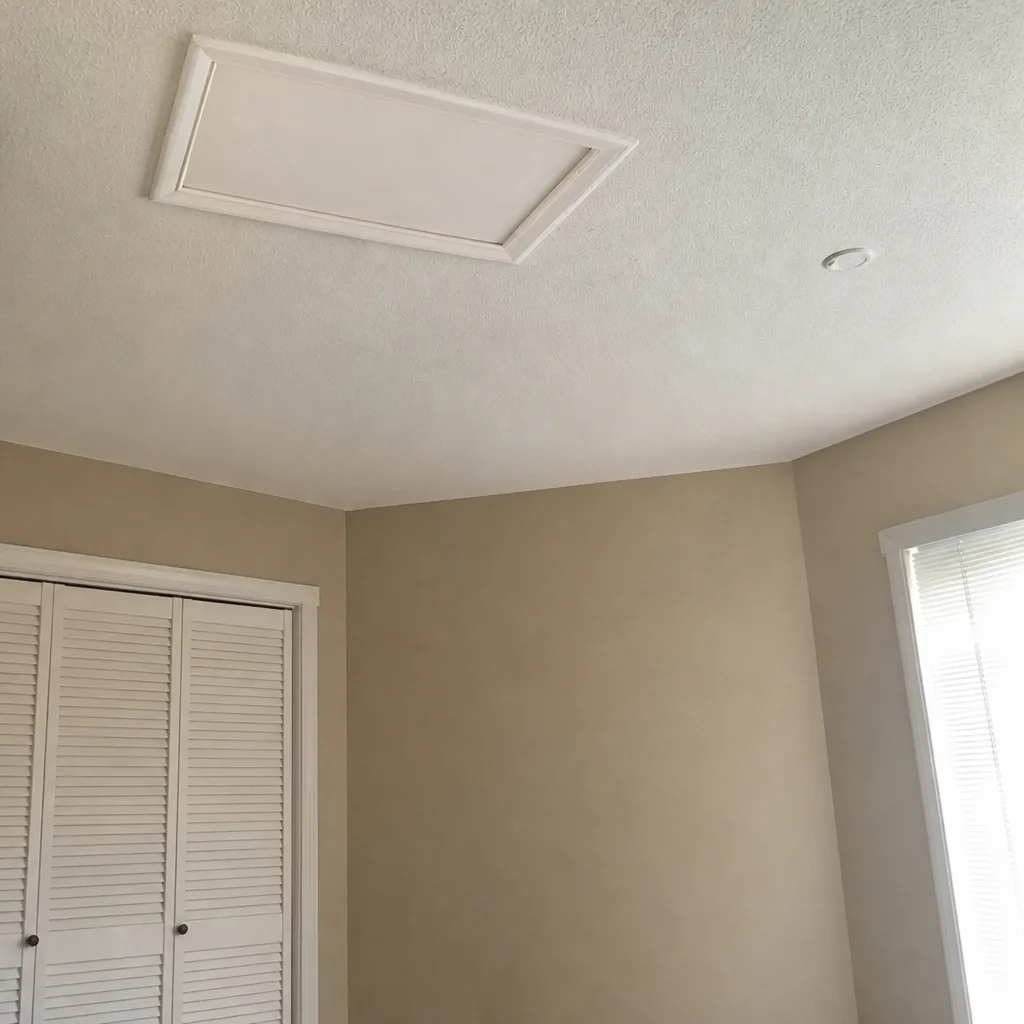
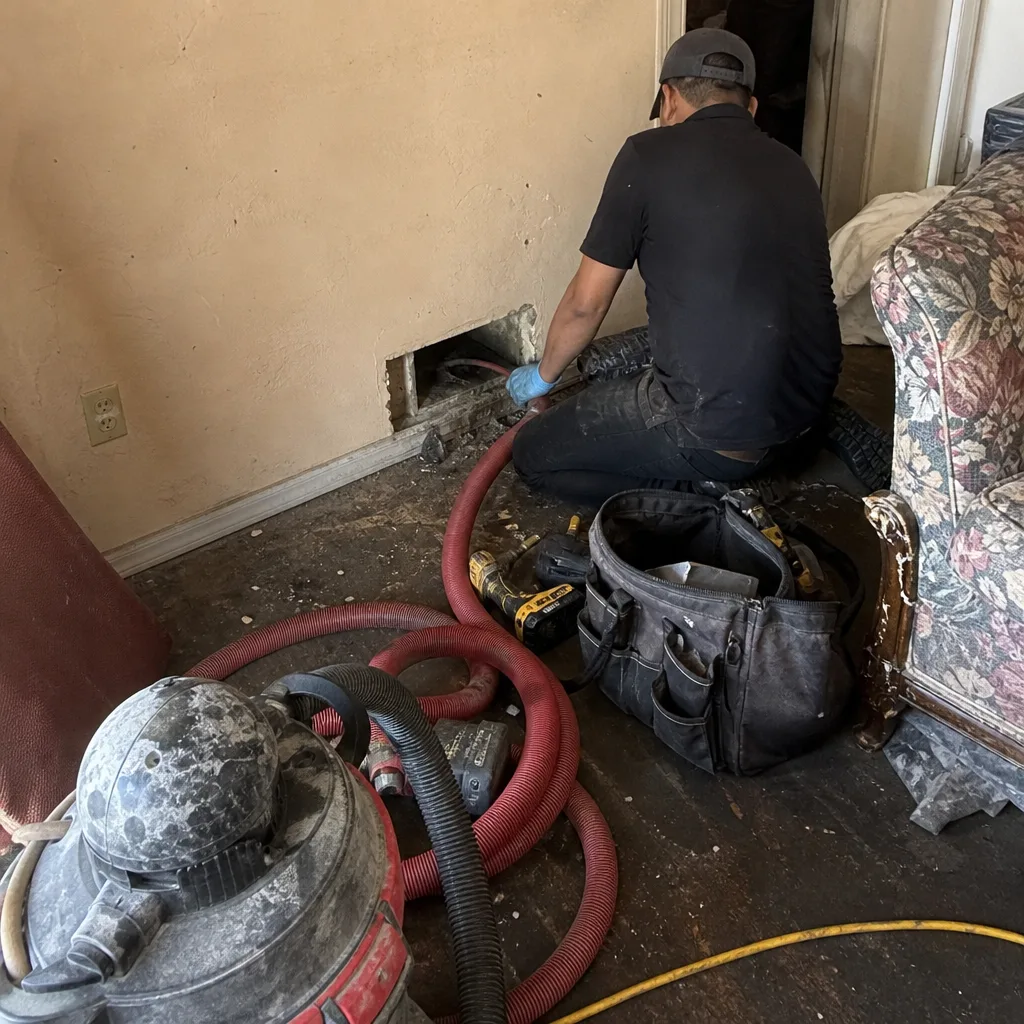
See the difference
 Before
 After
 Before
 After
 Before
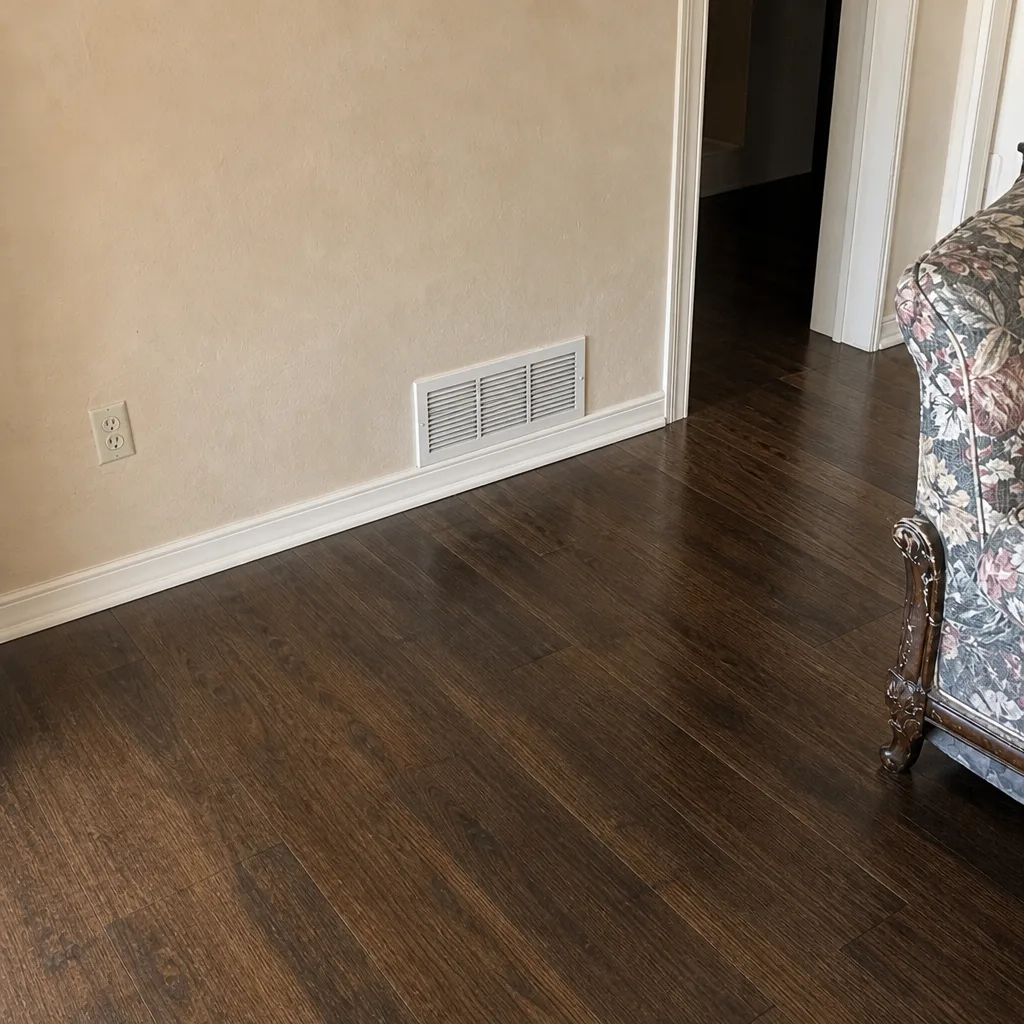 After
When to Call a Professional
Some decisions don’t need a visit at all: if your ducts have never been cleaned, if anyone in the home has allergies or asthma, if smell or visible dust is persistent, or if you’ve just bought a home with no service history, a professional cleaning is worth having done. The same is true if you’ve had a recent renovation, if your energy bill has climbed without explanation, or if a technician can see visible debris inside a register. What shouldn’t happen is a homeowner attempting a deep duct cleaning with consumer tools; the equipment required for real containment and rotary agitation isn’t something to improvise. Our Duct Cleaning Lehigh Acres team works exclusively on duct-system services – air duct cleaning, dryer vent cleaning, and air duct repair under one visit – and our technicians have up to 8 years of experience with Rotobrush, Nikro, and Abatement Technologies equipment. Duct Cleaning Lehigh Acres offers free estimates in Lehigh Acres – call (855) 554-4780 to schedule one.
Frequently Asked Questions
Most single-system Lehigh Acres homes land between $350 and $700, and dual-zone homes typically run $600 to $1,100. Add-ons like dryer vent cleaning ($100 to $175) and coil cleaning ($150 to $300) are itemized separately. The final price is set by the written estimate, so ask for it before any work begins. Call (855) 554-4780 for an exact quote – estimates are free.
Cheaper quotes usually reflect a smaller scope, lower-grade equipment, or a headline rate that escalates once the technician is onsite. A $199 quote and a $600 quote are almost never describing the same work: one may cover surface vacuuming at the registers, while the other covers every run with a rotary agitation tool under negative pressure containment. Compare line items and check whether the equipment is named. Call (855) 554-4780 for a quote you can compare item by item.
Ask for before-and-after photos of your own ductwork, not stock images. A professional job also leaves visible evidence: the technician can show you what came out of the system, and airflow should be verified at a sample of registers. If a crew can’t produce photos of your specific ducts, the work is unverifiable. Call (855) 554-4780 – every estimate through us comes with a clear scope of what the job includes.
Every three to five years is a reasonable baseline, but homes with pets, allergy-sensitive occupants, or recent renovations often benefit from shorter intervals. The high humidity and nearly year-round AC runtime in Lehigh Acres pushes dust loading faster than in cooler climates. If you see dust streaks around registers or smell a musty odor when the system starts, the interval has probably passed. Call (855) 554-4780 to schedule an inspection and get a professional read on the timing.
Dryer vent cleaning is a separate service, and treating it as one matters because lint buildup is a leading cause of residential fires. When bundled with a duct cleaning visit, expect $100 to $175 depending on vent length and whether the run terminates through the roof or a wall. Asking for both together saves a second visit. Call (855) 554-4780 for a combined quote.
Not automatically, but access complexity can raise the labor cost. Lehigh Acres homes are almost entirely slab-on-grade, meaning all ductwork runs through the attic rather than a basement or crawlspace. Attic access in Florida heat, tight configurations, and ductwork buried behind soffits are the factors that add time and cost. A straightforward attic layout prices at the lower end of the range. Call (855) 554-4780 for an honest assessment of your specific layout.
Professional-grade systems like Rotobrush or Nikro for rotary agitation, plus negative-pressure containment equipment such as Abatement Technologies for debris capture. Consumer vacuums and low-powered units can’t create the containment or agitation required for a real cleaning. A legitimate quote names the equipment being used. Call (855) 554-4780 and we’ll walk you through exactly what a job in your Lehigh Acres home includes.
The Bottom Line
The number on a duct cleaning quote only means something in the context of what it covers. In Lehigh Acres, expect $350 to $700 for a single-system home and $600 to $1,100 for a dual-zone home, with dryer vent cleaning at $100 to $175 and coil cleaning at $150 to $300 on top when needed. The cheapest quote almost always describes a smaller scope or inferior equipment; the right quote describes every run, names the system, and puts a flat price on the table before work starts. Compare line items, ask for photos, and treat add-ons as separate decisions rather than upcharges. With a written scope in hand, you can evaluate any quote in Lehigh Acres with confidence.
If you’d like to get a free estimate for your home, call (855) 554-4780. We answer 24/7. Fast dispatch from 7am to 7pm, Sunday through Friday. Every estimate is written, itemized, and set at one flat price per system before work begins – with before-and-after photos of your own ducts as standard.
Written by the team at Duct Cleaning Lehigh Acres.