
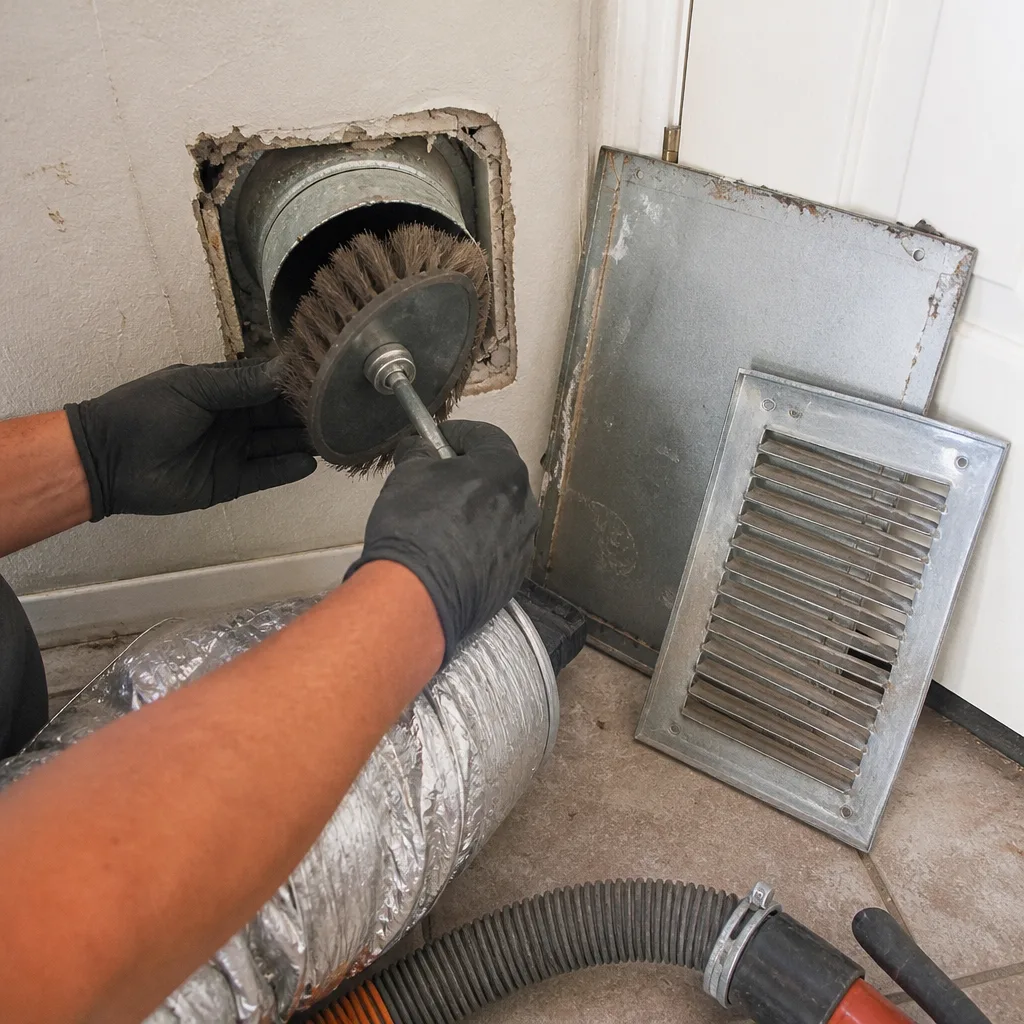
Last updated November 15, 2026
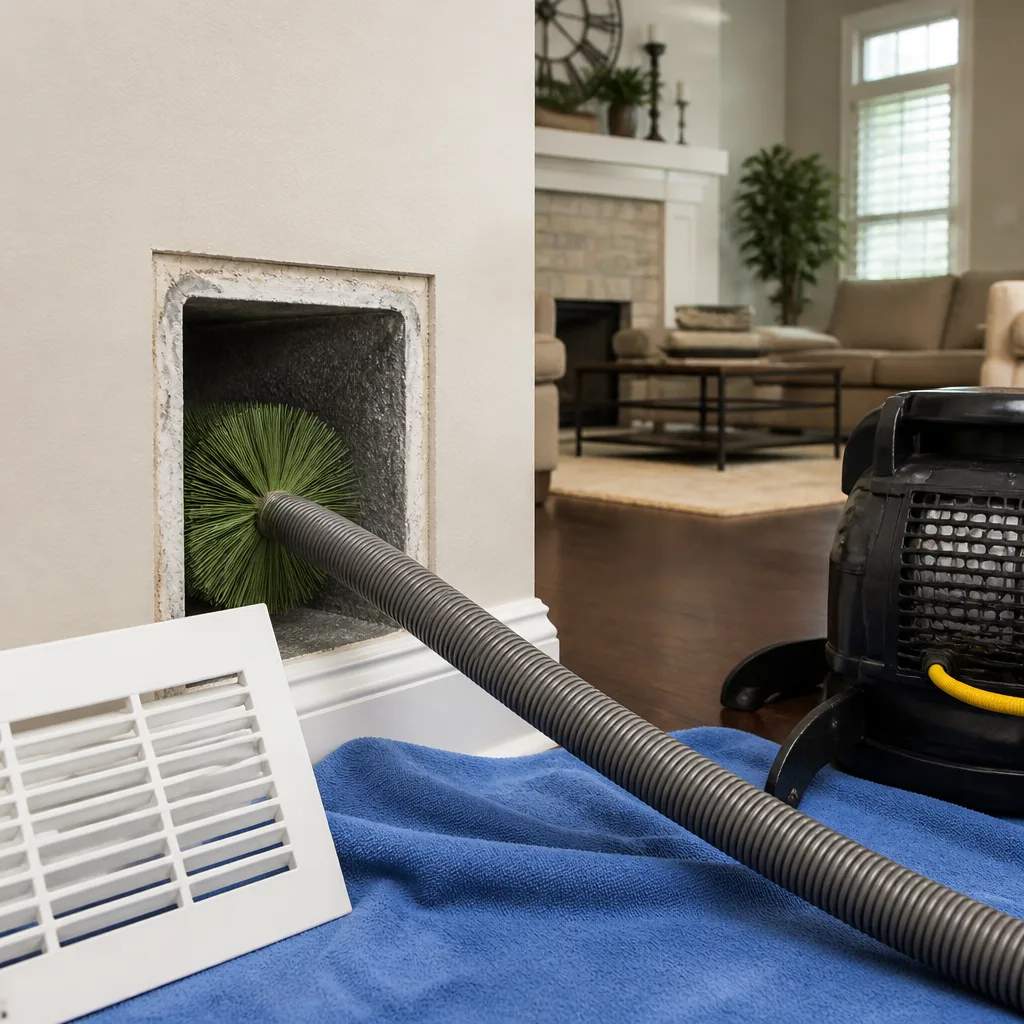 Whole-home duct cleaning
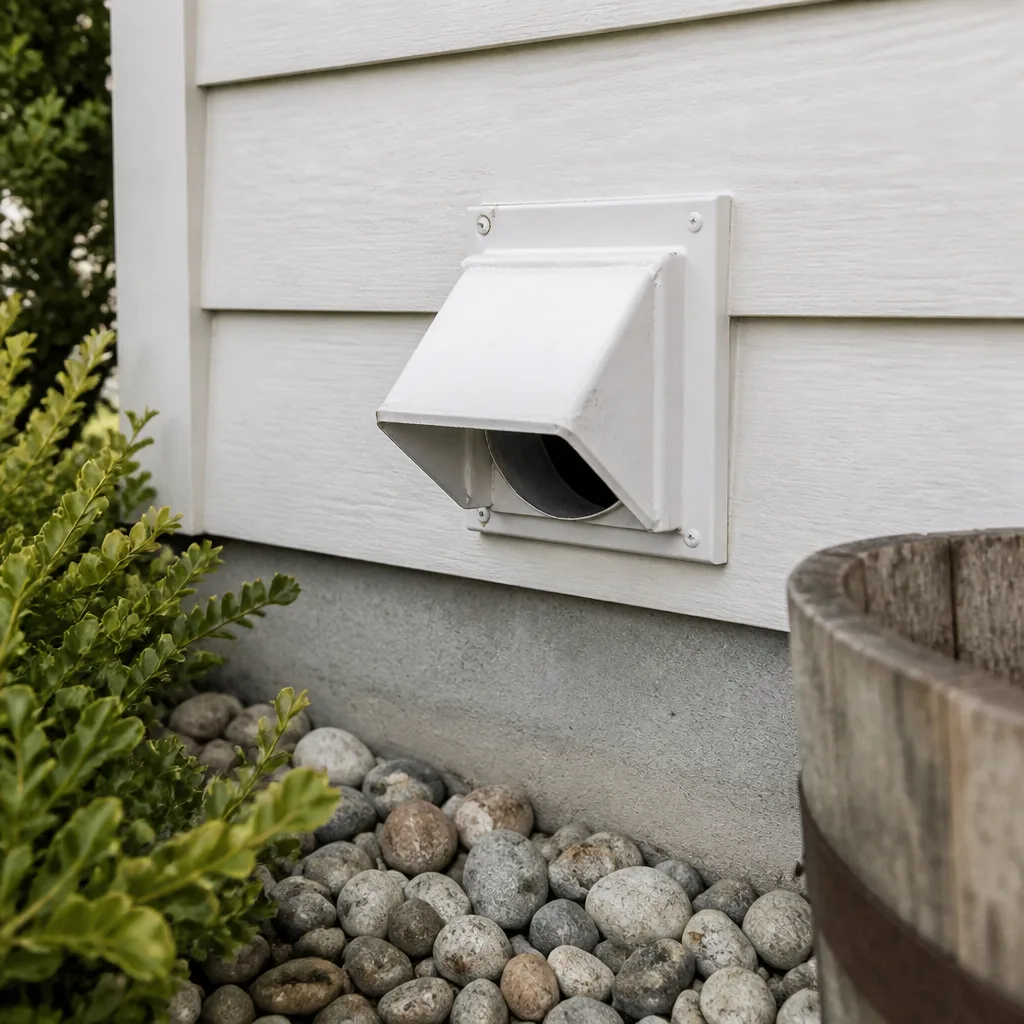 Dryer vent cleaning
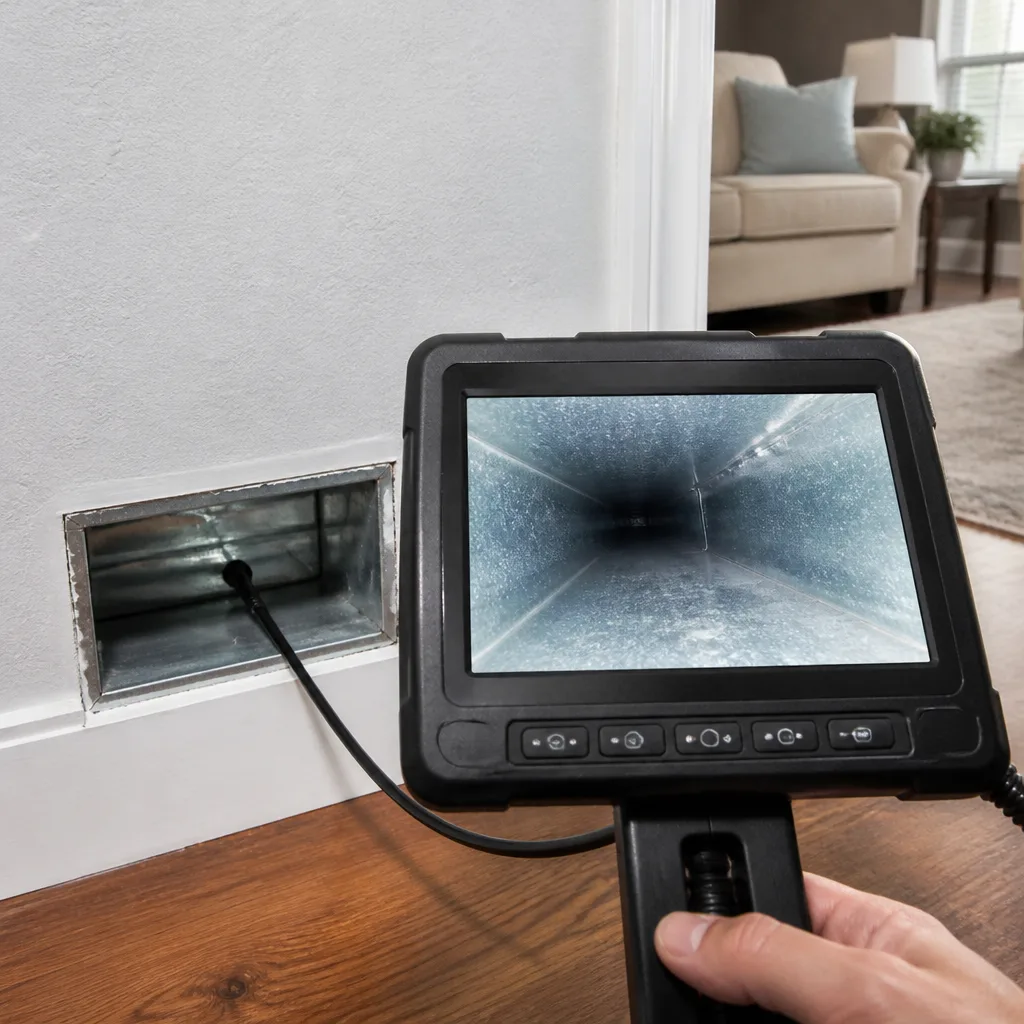 Camera inspection
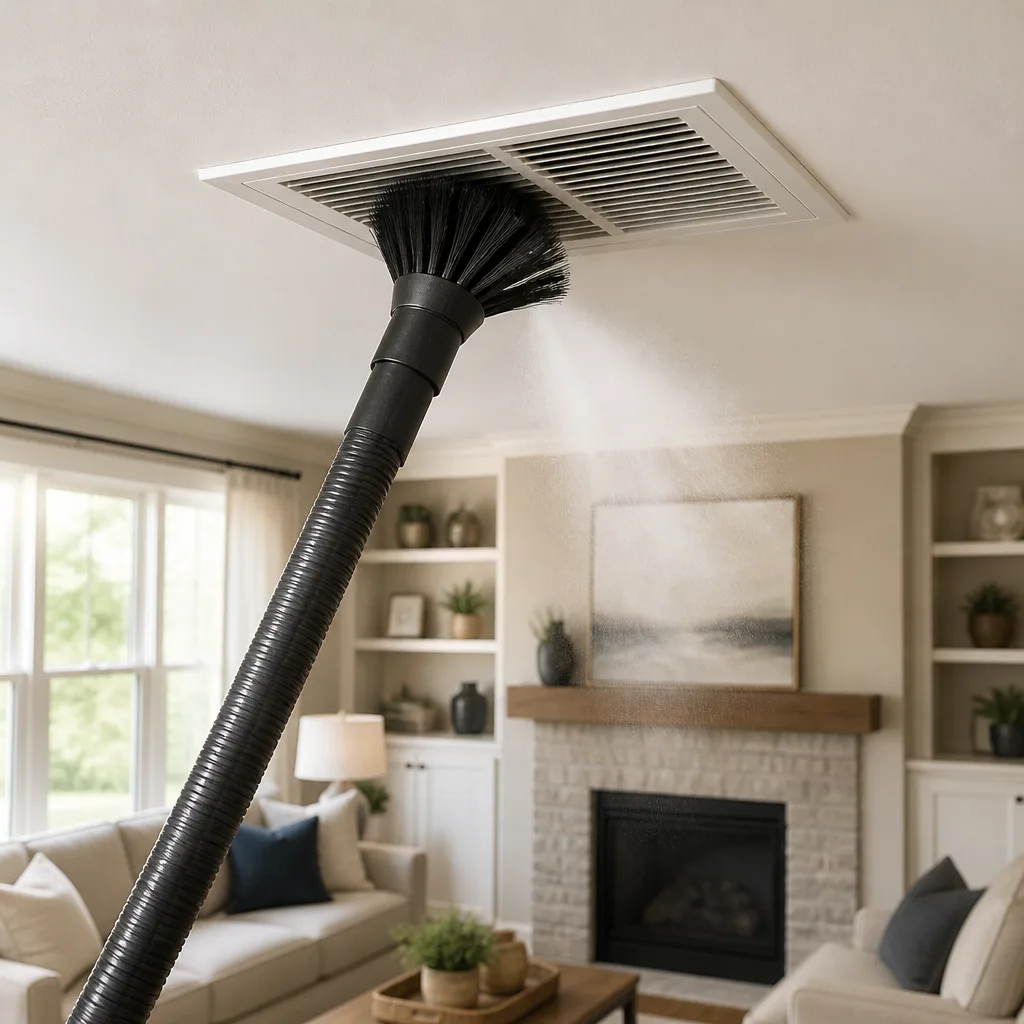 Sanitizing & deodorizing
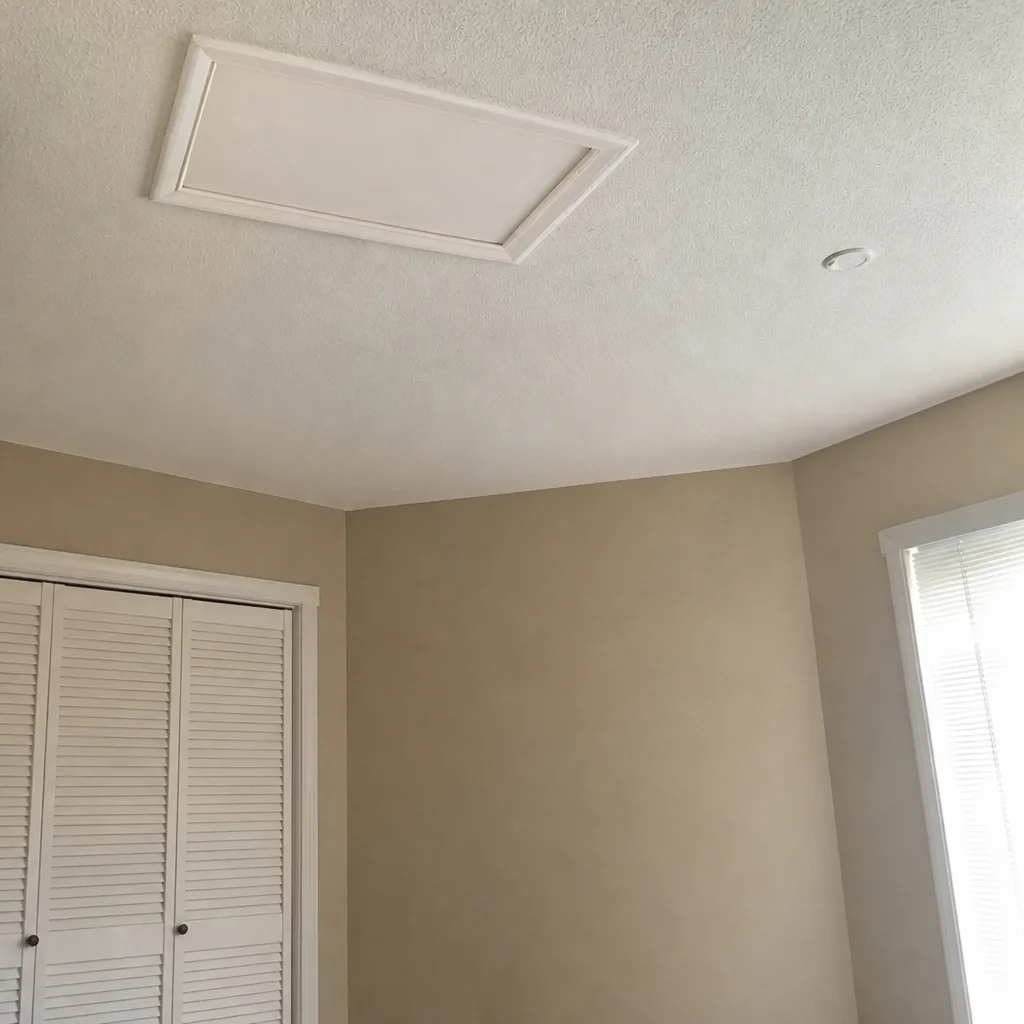
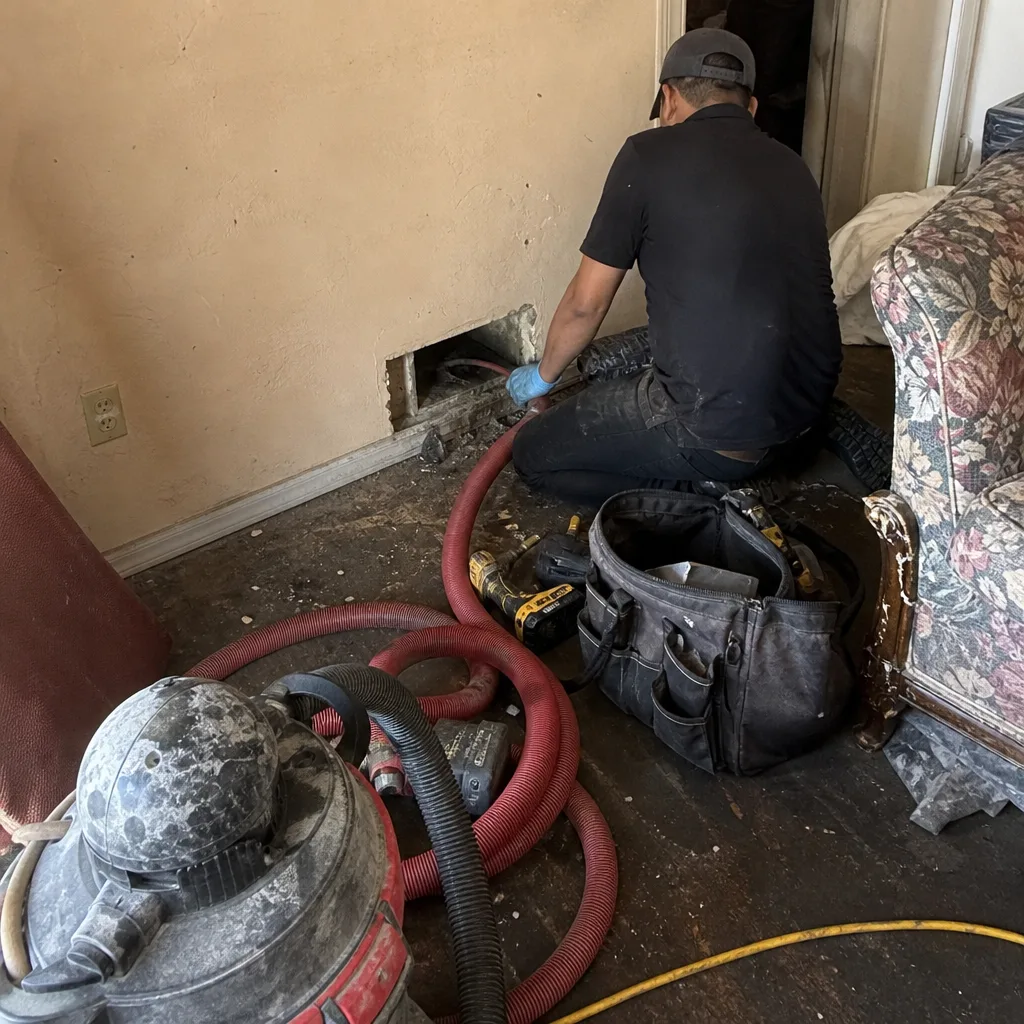
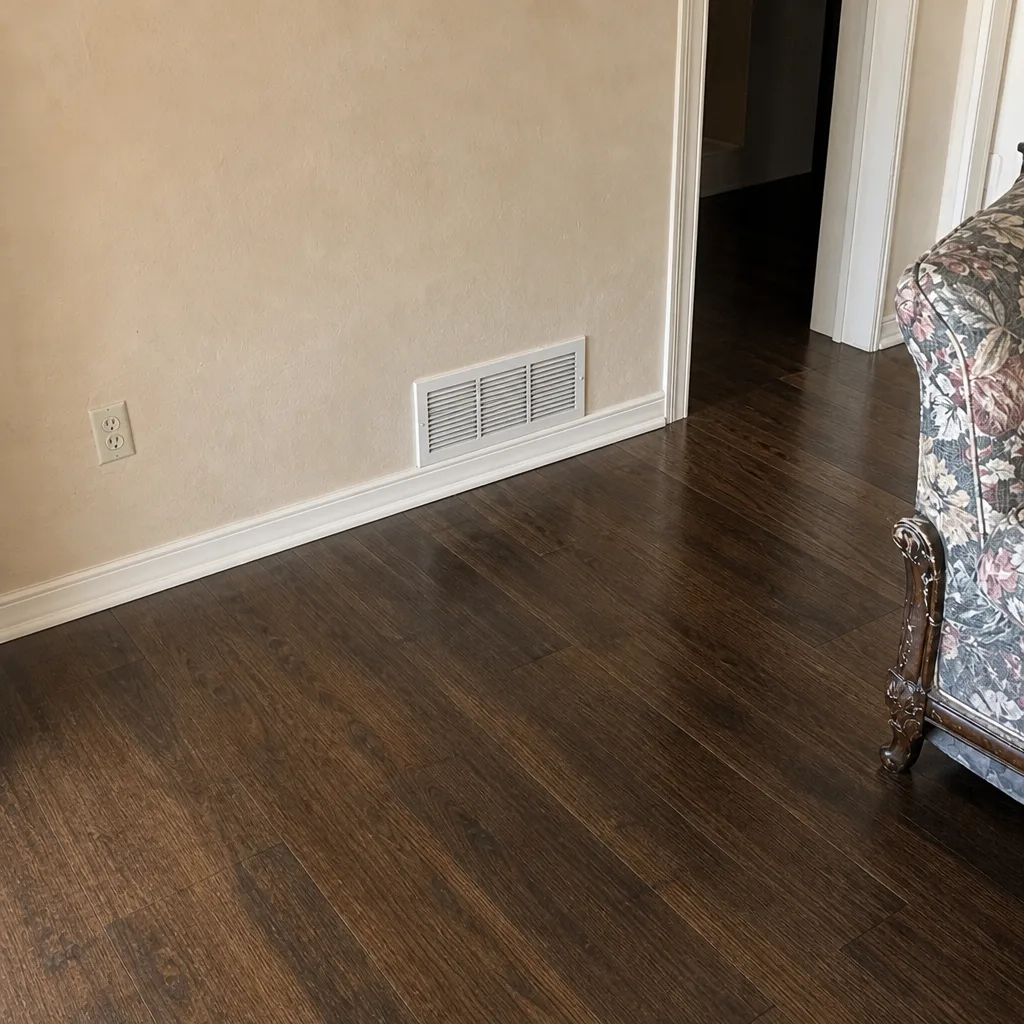
Whole-system duct and dryer vent check with before-and-after photos - you see exactly what came out of your vents
That "$99 whole-house special" is a bait ad - the real number appears once they are in your hallway, or the "clean" is a shop-vac at the register. We photograph the inside of your ducts before and after instead.
Air Duct Cleaning Emergency Preparedness Guide for Lehigh Acres Homes
Most hurricane checklists for Lehigh Acres homes cover shutters, water, generators, and roof tarps. Almost none of them mention the duct system. That’s the gap this guide fills. After a storm passes, the instinct is to flip the thermostat back on and get the house comfortable again. But the air handler pulls from every return in the house, and if those ducts took on water, silt, or insulation debris, that first hour of operation spreads it through every room. What follows is a practical, duct-specific response plan you can build before hurricane season and use afterward: pre-storm prep, the 48-hour rule, a visual inspection protocol, and what your insurer will want to see.
Quick Answer
Air duct cleaning after a hurricane in Lehigh Acres matters because storm-driven water and debris can enter the duct system through damaged vent terminations and compromised returns, and running the HVAC before inspecting for that intrusion pushes contaminated air through the whole house. The safe sequence is: inspect the ducts first, document with photos, then clean and repair before restoring normal operation. This guide walks through each step in order.
Styles & brands we work with
- Whole-home duct cleaning
- Dryer vent cleaning
- Camera inspection
- Sanitizing & deodorizing
Table of Contents
- Pre-Storm Preparation: Protecting Your Duct System Before Landfall
- The 48-Hour Rule: Why You Shouldn’t Run the HVAC Right After a Storm
- How to Assess Duct Integrity After a Storm: A Step-by-Step Protocol
- What Storm-Related Duct Contamination Looks Like
- Insurance Documentation: Building a Storm Damage Claim File
- Cleaning vs. Repair: Knowing Which Your Ducts Need
- Restoring Healthy Air After the Storm Passes
- Building Duct Care Into Your Yearly Hurricane Routine
Pre-Storm Preparation: Protecting Your Duct System Before Landfall
The best duct response plan starts before the storm arrives. Lehigh Acres sits in a corridor where hurricane warnings are a recurring part of summer and fall, and the duct system is one of the few parts of a house you can meaningfully harden in a few hours. The goal isn’t to stormproof the ducts completely. It’s to reduce the pathways that let wind-driven rain and airborne debris get inside.
Start with the exterior vent terminations. Every home has them: the dryer vent hood, the fresh-air intake if you have one, and any exhaust fans venting through an exterior wall. These are small openings, but in sustained wind they become entry points for water and grit. Most modern termination hoods have a damper flap that closes when the system isn’t running. Check that each flap moves freely and seats against its frame before a storm, and clear any lint, leaf litter, or wasp nests that would keep it propped open.
Next, look at your return air pathways. Returns are the large grilles that pull air back to the air handler, and they’re often mounted low on a wall or in a ceiling. During a storm, if a window fails or water gets in, a low return can pull standing water and wet debris straight into the system the moment the HVAC runs. Before landfall:
- Check that every return grille is secured and its filter is clean and correctly sized.
- Move anything stored against a low return that could be drawn in if the system runs.
- Note the location of your air handler and any duct runs in the attic or garage, so you can check them quickly after the storm.
- Photograph the duct system, grilles, and terminations while everything is dry. You’ll want these “before” photos if you file a claim later.
If a hurricane warning is issued, shut the system off at the thermostat before you evacuate or shelter. A system that’s off can’t pull water or debris through the ducts. For property owners across Lehigh Acres, that single step is the simplest piece of duct preparedness there is, and it’s the one most often skipped.
The 48-Hour Rule: Why You Shouldn’t Run the HVAC Right After a Storm
Here’s the counterintuitive part. The first thing most people want to do after a storm is get the AC running again. It’s hot, the house is stuffy, and the thermostat is right there. But running your HVAC within the first day or two after a storm, before you’ve assessed duct integrity, is one of the most common and most costly post-storm mistakes a Lehigh Acres homeowner can make.
Think about what the air handler actually does. It’s a central fan that pulls air from every return in the house and pushes it out through every supply register. If storm water, silt, or dislodged insulation got into even one section of ductwork, that fan doesn’t keep the contamination local. It distributes it. Moisture sitting in a duct is also the perfect environment for biological growth, and warm, humid post-storm air feeding a wet duct system accelerates that.
So the 48-hour rule is simple: give yourself up to two days to inspect before you restore normal operation. That window lets you check the obvious trouble spots while any moisture is still visible, and it keeps a wet system from becoming a mold problem inside the ducts.
What to do instead of turning the system on:
- Keep the thermostat off until you’ve completed a visual inspection of the duct system (the next section covers this).
- Open windows and use portable fans for ventilation once the storm has fully passed and outdoor air is safe.
- If the house is too hot to stay in, that’s a reason to inspect faster, not to skip the inspection.
- Write down anything you find, with photos, before you clean it up or turn anything on.
If you’re not comfortable doing the inspection yourself, that’s a reasonable position. The right move is to have a specialist look before the system runs, not after.
How to Assess Duct Integrity After a Storm: A Step-by-Step Protocol
This is the visual protocol to run once the storm has passed and it’s safe to move around the house. You’re not repairing anything here. You’re looking for signs that the duct system took on water, debris, or physical damage, and deciding whether to call a professional before turning the HVAC back on.
- Check the exterior terminations first. Look at the dryer vent hood and any other exterior vents. Is the hood still attached? Is the damper flap stuck open or torn off? Is there visible water staining around the opening? A missing or damaged hood is a direct path into the system.
- Inspect every return and supply grille indoors. Remove the grille covers where you can do so safely. Look for water stains, damp insulation, silt or grit on the grille, and any visible debris that shouldn’t be there. Note the location of anything you find.
- Look at the air handler and its closet or platform. Water staining, rust, or standing moisture around the unit or the duct connections is a red flag. Don’t open the unit’s panels if you’re not trained to; just note what you can see from outside.
- Check attic and garage duct runs if you have them. Look for sagging, disconnected sections, crushed flex duct, torn insulation jacket, or water staining on the duct exterior. Storm-driven wind can shift attic insulation and ductwork even when the roof holds.
- Smell the air near the returns. A musty, earthy, or stagnant smell near a return, before the system runs, is a sign that moisture got in.
- Photograph everything. Wide shots of each room and grille, close-ups of any staining or damage, and a photo of the thermostat showing it’s off. Date-stamp if your phone allows it.
- Decide: clean, repair, or call. Visible water intrusion, torn duct, biological growth, or a musty smell means the system should be professionally assessed and cleaned or repaired before it runs normally.
If any of those warning signs turn up, the safest move is to have a specialist confirm the system is dry and intact before you turn it back on. That step costs far less than repairing a system that spread contamination through a whole house.
What Storm-Related Duct Contamination Looks Like
Storm contamination and routine duct buildup are two different problems, and it helps to know which you’re looking at. Routine buildup is the slow accumulation of dust, pet hair, and lint that every duct system collects over time. Storm contamination is what a hurricane can push in during a single event: fine silt and grit, insulation fibers and debris, and moisture that invites biological growth. The two need different responses.
Here’s how to tell them apart:
- Silt and grit. Storm-driven water often carries fine sediment. If a return or supply grille has a layer of grit, sand, or fine silt rather than the soft grey dust of routine buildup, that’s storm intrusion.
- Insulation debris. High wind and roof damage can dislodge attic insulation. If you find pink, white, or foil-faced insulation fibers inside a grille or duct opening, that material was blown or shaken loose and pulled into the system.
- Biological growth. Moisture inside a warm duct system is the classic setup for mold and mildew. It usually shows as dark staining, a musty smell, or visible growth on damp insulation or duct lining. Any sign of growth means professional cleaning before the system runs.
- Pest intrusion. Storm-damaged terminations and gaps become entry points for insects and rodents. Droppings or nesting material inside a duct are a contamination issue that needs proper removal, not just a vacuum.
- Physical damage. Torn flex duct, disconnected joints, crushed runs, and sagging sections are all common after storms that shift attic insulation or flex duct. Damaged duct can’t be cleaned effectively; it has to be repaired.
That last point is why we handle duct repair alongside cleaning. A cleaner that only vacuums can’t fix a disconnected run or a crushed section, so the contamination source stays. Professional-grade equipment like Rotobrush and Nikro systems lets a specialist clean the full run rather than just what’s reachable, and containment tools capture what’s dislodged instead of recirculating it into your living space.
Insurance Documentation: Building a Storm Damage Claim File
If your duct system was affected by a storm, the quality of your documentation often determines how smoothly the claim goes. Florida homeowners’ insurers handle storm damage claims all the time, and they want evidence that ties the damage to the storm. Your job is to make that evidence easy to see.
Build a claim file with these items:
- Pre-storm photos. This is why the pre-storm step matters. Dry-system photos give you a baseline to prove what changed.
- Post-storm photos of each affected area. Grilles, returns, duct runs, the air handler, and any exterior termination. Include wider shots that show the room or location so the assessor can orient.
- A written inspection report. A professional assessment that describes what was found, where, and whether it affected the HVAC or duct system carries far more weight than a homeowner’s note.
- Documentation of any water intrusion. If water entered the home near a return or the air handler, photograph it before cleanup and note the approximate depth.
- Records of the cleaning or repair performed. Invoices and before-and-after photos of the duct system support the claim if the work was already completed.
We can’t speak to how any individual policy will respond, and we’ll always say so plainly. What we can do is give you the inspection documentation your insurer is likely to ask for. If you’re unsure whether the duct damage is storm-related, get the assessment first and let the report speak for itself. An estimate for cleaning or repair is free, and it gives you a documented starting point for the claim conversation.
Cleaning vs. Repair: Knowing Which Your Ducts Need
After a storm, homeowners often ask whether they need cleaning, repair, or both. The honest answer usually comes down to what the inspection found. Cleaning removes contamination. Repair restores the structure of the duct system so it can hold air and stay clean. If the ductwork is damaged, cleaning alone leaves the problem in place.
Think of it this way. A crushed or disconnected flex duct can’t be effectively cleaned, because the equipment can’t safely reach and contain everything in a compromised run. Contaminants that were pulled in through a gap or a storm-damaged termination will also re-enter the same way if the gap isn’t sealed. That’s why we treat cleaning and repair as two parts of one job when the ducts call for it.
When your ducts likely need cleaning:
- Visible silt, grit, or insulation debris in grilles or duct openings
- A musty smell near returns after storm moisture exposure
- No professional cleaning on record despite years of buildup
- Recent renovation or construction dust pulled into the system
When your ducts likely need repair:
- Torn, crushed, or sagging flex duct after wind or insulation shifts
- Disconnected joints or sections that have come apart
- Crushed or bent rigid duct from impact or roof work
- Storm-damaged termination hoods or dampers that no longer seal
Many post-storm jobs are a combination of both: a compromised section of duct gets repaired, then the whole system is cleaned so the repair actually holds. Handling both through one specialist means nobody has to coordinate between a cleaning company and an HVAC contractor and hope the two line up. Learn more about what full air duct cleaning covers before and after storm damage.
Restoring Healthy Air After the Storm Passes
Once the ducts are cleaned, any damage is repaired, and the system is confirmed dry and intact, you can restore normal operation. The steps below are the sequence we recommend to Lehigh Acres homeowners who’ve been through a storm and want to get back to comfortable indoor air without wondering what’s circulating.
- Confirm the system is dry. No point restoring airflow while moisture remains in a duct or the air handler.
- Replace the filter. After storm intrusion or heavy cleaning, a fresh filter is part of the job, not an optional extra.
- Phase the system back in. Run the fan first to move air without full cooling load, then bring the AC up normally. Watch for unusual smells or noises in the first hour.
- Watch your grilles for a few days. Any new dust or grit showing at the supply registers after a proper cleaning means something may have re-contaminated the system. Don’t ignore it.
- Schedule a follow-up if you saw heavy growth or damage. A system that had significant moisture intrusion benefits from a short re-check to confirm it stayed dry.
The other piece is ventilation and humidity. Post-storm Lehigh Acres homes close up tightly when the power comes back and the AC runs hard. If your home has a whole-home air quality system, being familiar with the brand matters. We work with Aprilaire and Honeywell systems regularly, which means we can service the ducts without ignoring the equipment that’s supposed to keep the air clean. Clean ducts and a working air quality system are a pair, not two separate projects.
Don’t overlook the dryer vent in your recovery plan. A storm-damaged dryer vent can leave your dryer cycling hot, lint-filled air, and lint buildup is a leading cause of residential fires. Reducing that risk is one reason dryer vent cleaning is a core service for us, not an add-on. If your dryer vent hood took storm damage, get it looked at and cleaned before you run heavy laundry cycles again.
Building Duct Care Into Your Yearly Hurricane Routine
The most useful thing about a duct response plan is that it doesn’t have to be reinvented every June. Build it into your yearly hurricane routine, and each season gets a little easier. Here’s how to make duct care a standing part of preparedness in Lehigh Acres.
Spring (before season): Check your vent terminations and returns. Replace your filter. Take dry-system photos for your claim file. If your ducts haven’t been cleaned in years, get that done before the season rather than after a storm, so you start the season with a clean system.
When a storm warning is issued: Shut the system off at the thermostat before you shelter or evacuate. That’s the simplest step in the whole plan.
After the storm: Run the visual protocol before you restore operation. Photograph everything. Decide clean, repair, or call. If anything is unclear, get a professional inspection before the system runs.
Once clean and dry: Restore operation carefully, replace the filter, and watch your grilles for the first several days. If the system saw heavy moisture, consider a short follow-up to confirm it stayed dry.
Our technicians have up to 8 years of experience in duct systems, and that experience shows up in the details: understanding how a Lehigh Acres home’s duct layout handles storm season, knowing what to look for after wind and water, and using professional equipment like Rotobrush and Nikro that cleans the full run rather than what’s within easy reach. Abatement Technologies containment captures dislodged debris so it doesn’t end up back in your living room. Whether you need cleaning, air duct cleaning to address storm contamination, repair for damaged ductwork, or dryer vent safety, call Duct Cleaning Lehigh Acres and we’ll take a look before you turn the system back on.
Common Mistakes to Avoid
These are the missteps we see most often after a storm in Lehigh Acres. Each one is avoidable with a little knowledge in advance.
- Turning the HVAC on before inspecting the ducts. The most common post-storm mistake. Running the unit first spreads any contamination through every room in the house. Leave the thermostat off until the system has been checked.
- Skipping the exterior terminations. Homeowners focus on the roof and windows and forget the small vent openings on the wall. A missing dryer vent hood or a stuck damper is a direct path for wind-driven rain and debris.
- Cleaning a damaged duct. Vacuuming a torn or disconnected run doesn’t fix the source of the contamination. Repair has to come first, or the same problem returns.
- No pre-storm photos. Without a dry-system baseline, an insurance claim is harder to support. Take the photos while everything is dry, every season.
- Assuming new buildup is normal dust. After a storm, grit, insulation fibers, and musty smells mean contamination, not routine dust. Treat it differently.
- Cleaning the ducts but ignoring the filter and air quality system. A dirty filter and a neglected whole-home air quality system undo much of the benefit. Change the filter and check any Aprilaire or Honeywell equipment you have.
- Waiting until the next storm to make a plan. A duct response plan only helps if it’s in place before you need it. Build it into your yearly hurricane routine.
See the difference
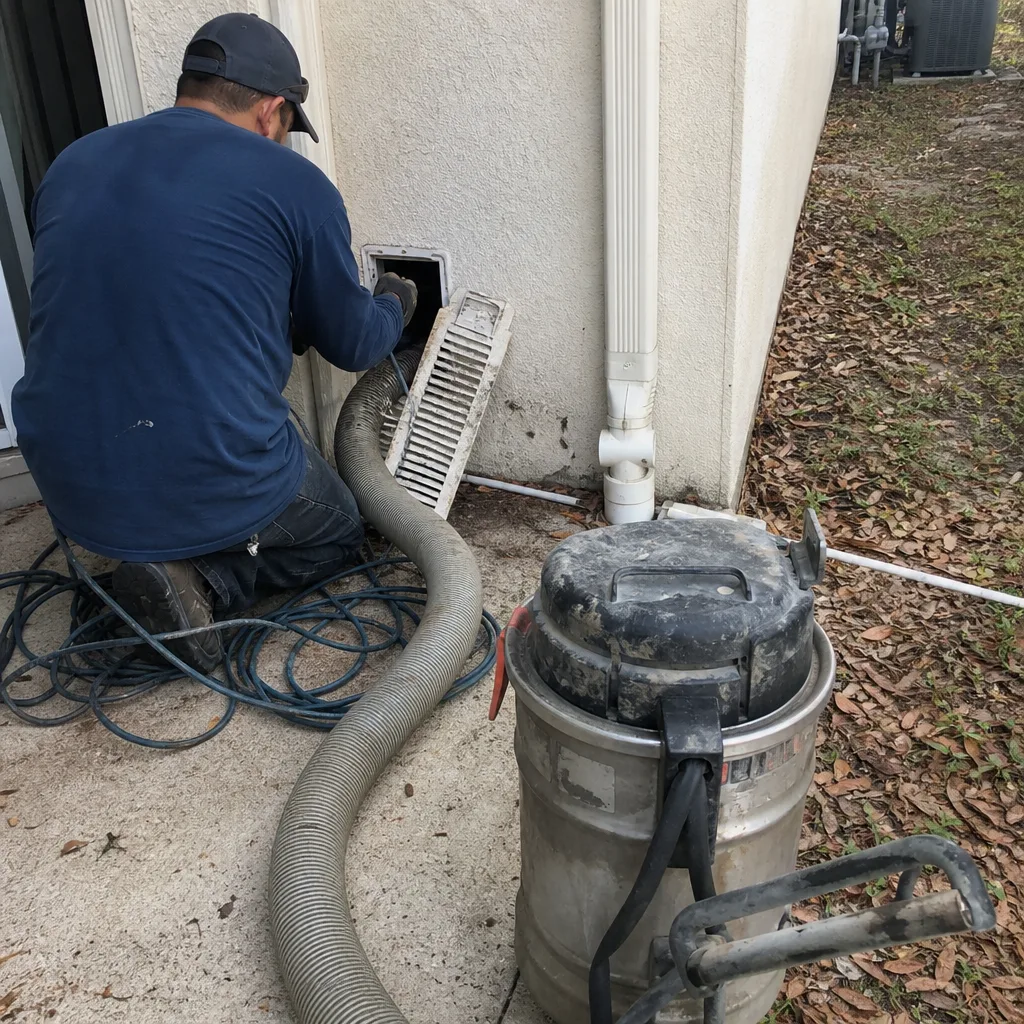 Before
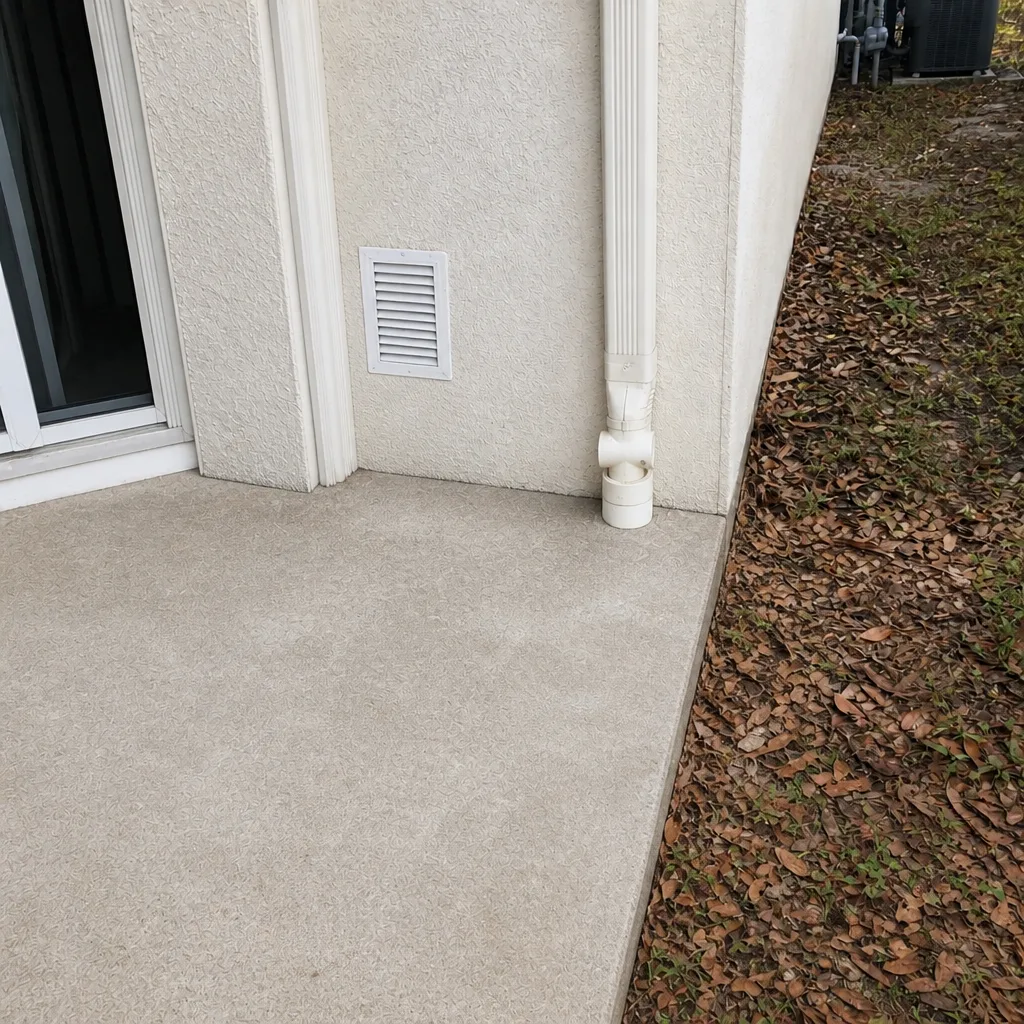 After
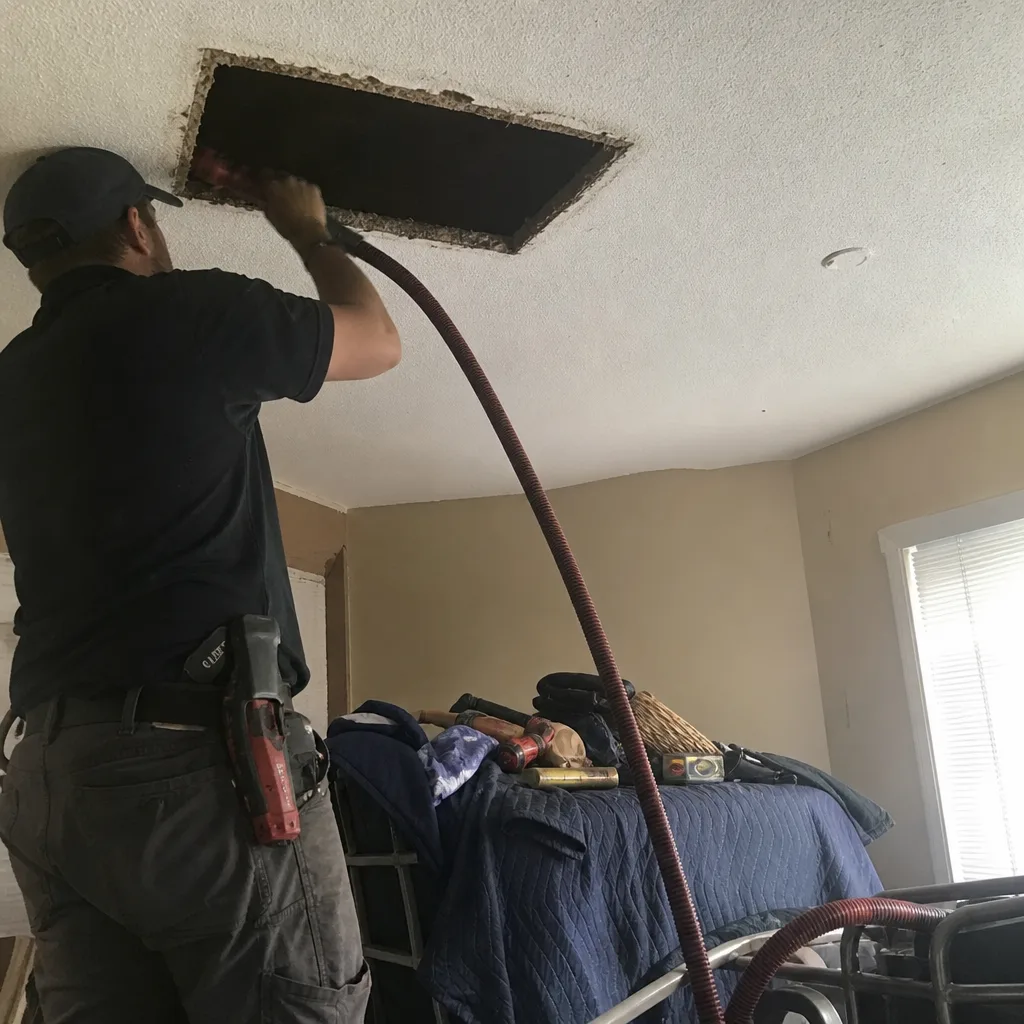 Before
 After
 Before
 After
When to Call a Professional
Some post-storm symptoms are obvious and some aren’t. Call a professional if you find visible water intrusion anywhere in the duct system, silt or insulation debris on grilles or inside duct openings, biological growth or a musty smell near returns, or physical damage to ductwork or vent terminations. Call before you turn the HVAC back on, so contaminated air doesn’t get pushed through the house. If you’ve never had a duct inspection and you’re unsure what to look for, that alone is a reason to call. Duct Cleaning Lehigh Acres offers free estimates in Lehigh Acres, so there’s no downside to getting a professional assessment first. Call (855) 554-4780. We answer 24/7. Fast dispatch from 7am to 7pm, Sunday through Friday. Start with an inspection, then decide on cleaning, repair, or both.
Frequently Asked Questions
Not until you’ve completed a visual inspection of the duct system. If you find no signs of water intrusion, silt, insulation debris, or biological growth, and no physical damage to duct runs or vent terminations, the system is likely safe to run. If anything is unclear, keep the thermostat off and call for an inspection first. A quick professional check is far cheaper than repairing a system that spread contamination through every room.
Whole-system duct cleaning in Lehigh Acres typically runs somewhere in the mid-hundreds of dollars, and the exact figure depends on the size of the home, the number of duct runs, and whether post-storm repair is needed. We don’t quote per vent and we don’t quote coupon teasers, because those numbers get replaced by a much larger invoice once the technician is on site. You get one flat price per system, agreed before work starts, and before-and-after photos of your own ducts so you can see what was done. Call (855) 554-4780 for an exact quote. Estimates are free.
Cheap quotes usually cover less than you think. A low price often means a single pass with a consumer-grade vacuum, no containment, and no real inspection of the ductwork itself. It doesn’t capture dislodged debris, it doesn’t address damage, and it doesn’t come with photos proving the work was done. We use professional-grade systems and containment equipment because that’s the only way to clean the full run and keep what’s dislodged from recirculating into your home. If a quote sounds too good to be true, ask what equipment it includes and whether containment is part of the job.
Ask for before-and-after photos of your own duct system. This is the single best way to see what was removed and confirm the full run was cleaned, not just the visible grilles. A written description of what was found during inspection also tells you whether contamination was addressed or simply vacuumed over. Both should come standard, not on request. Call (855) 554-4780 if you want to see how we document an inspection.
For most homes, routine duct cleaning every few years is enough. But storm exposure resets the clock. After a hurricane or heavy water intrusion, the ducts should be inspected and, if contamination is found, cleaned and repaired regardless of when they were last serviced. If you have pets, allergies, or a history of renovations, more frequent cleaning helps. The honest answer is to let an inspection guide the timing rather than a fixed schedule.
Damage needs repair; contamination needs cleaning, and often both are necessary. Torn flex duct, disconnected joints, crushed runs, and damaged termination hoods can’t be effectively cleaned, because the source of contamination is structural. A professional assessment will tell you which applies. Where both are needed, they’re handled together so a repaired system is also clean and ready to run. Call (855) 554-4780 to schedule a free estimate.
Storm-damaged dryer vent hoods and dampers are a fire-safety concern as well as an air quality one, because a compromised vent can’t exhaust hot, lint-laden air properly. If the exterior hood is missing, bent, or stuck open, get it inspected and the vent cleaned before heavy laundry use. Lint buildup is a leading cause of residential fires, which is why dryer vent cleaning is part of our core service rather than an add-on.
The Bottom Line
A duct response plan belongs in every Lehigh Acres hurricane preparedness checklist, right next to the shutters and the water supply. Protect the vent terminations and returns before the storm. Shut the system off if a warning is issued. After the storm, follow the 48-hour rule: inspect before you run the HVAC. Document everything with photos and a written assessment so your insurer has what it needs. Decide between cleaning, repair, or both based on what the inspection actually shows, then restore operation carefully with a fresh filter. Build it into your yearly routine, and each storm season gets easier. If you want a professional assessment before you turn the system back on, we can help.
Cleaning, dryer vent safety, and repair all under one specialist means you don’t have to piece together the recovery from different contractors. Whether you need dryer vent cleaning after storm damage, air duct cleaning to remove contamination, or repair for damaged ductwork, our technicians have up to 8 years of experience and use professional-grade Rotobrush and Nikro systems with Abatement Technologies containment, so contaminants are captured, not recirculated. Air duct specialists, not generalists. Call (855) 554-4780 for a free estimate. We answer 24/7. Fast dispatch from 7am to 7pm, Sunday through Friday.
Written by the team at Duct Cleaning Lehigh Acres.