
Last updated November 15, 2026
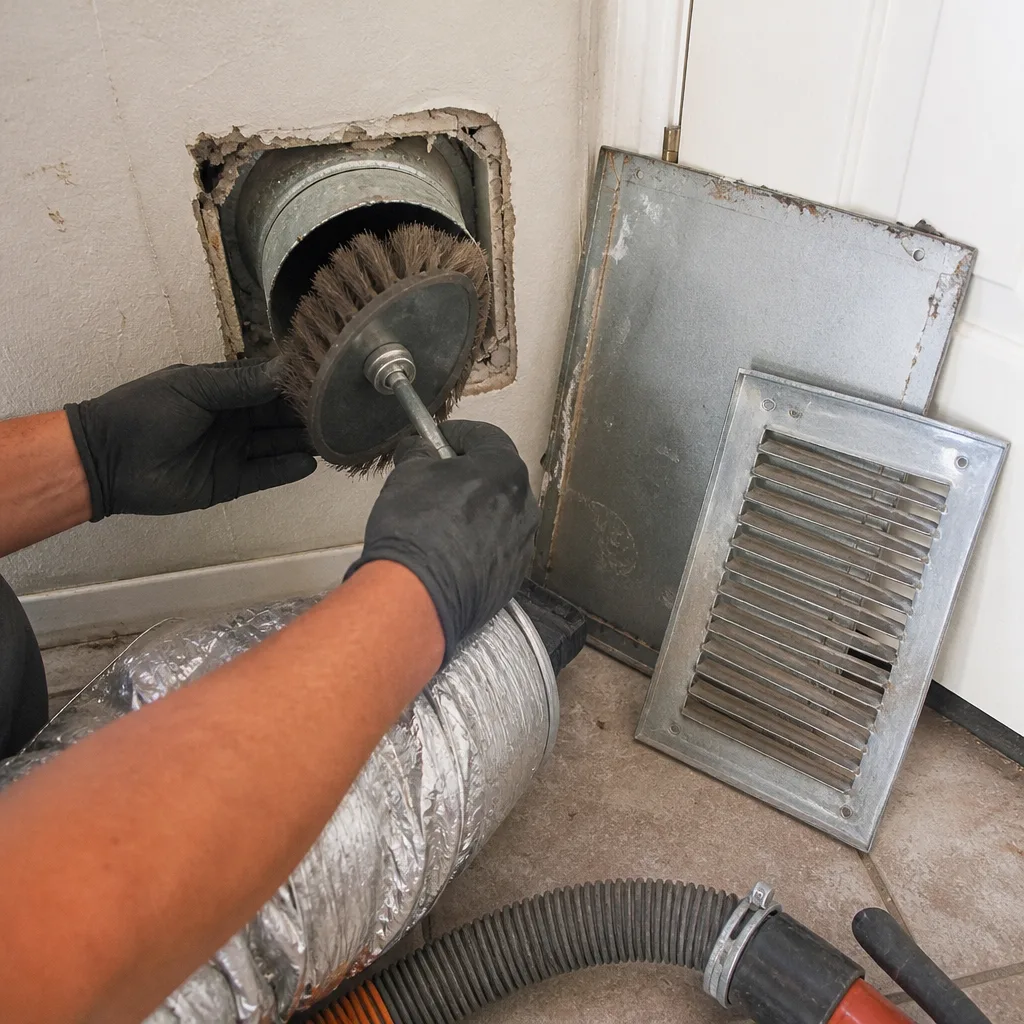
 Whole-home duct cleaning
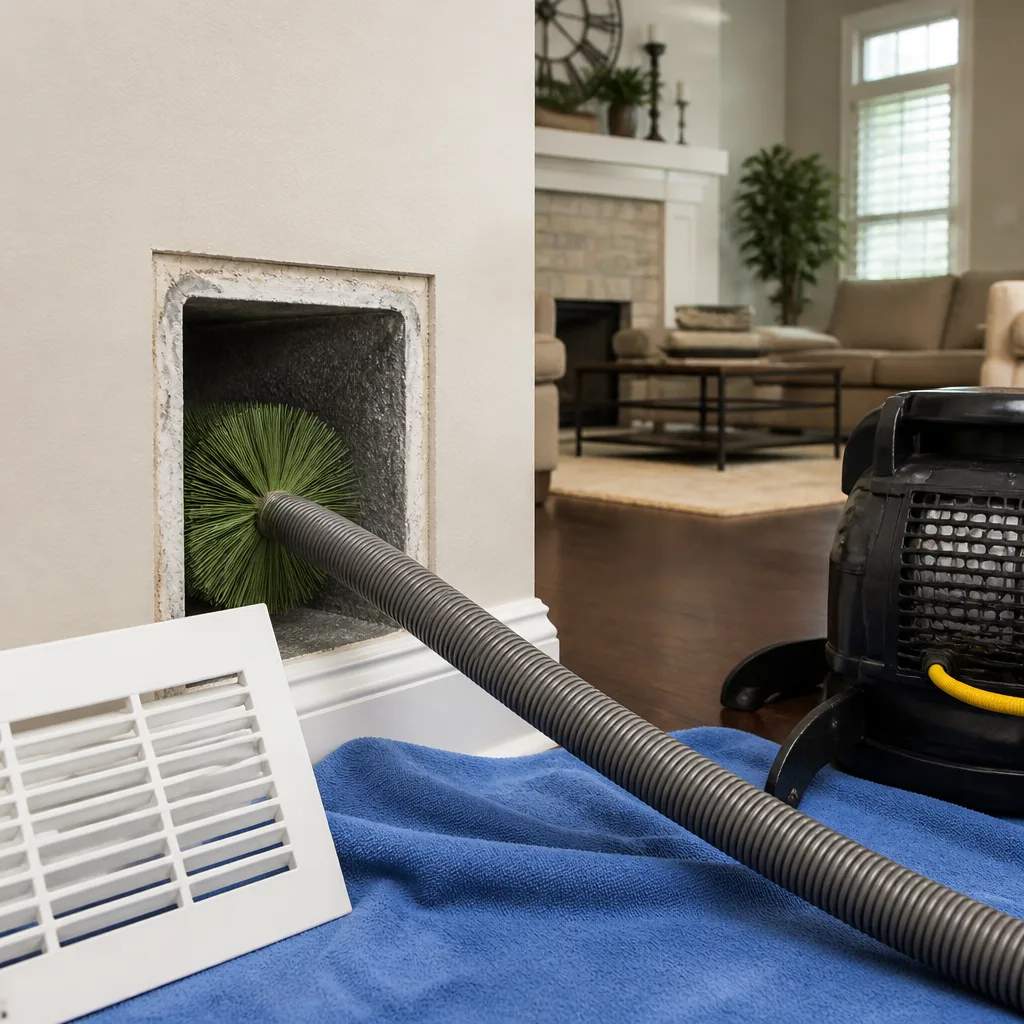
 Dryer vent cleaning
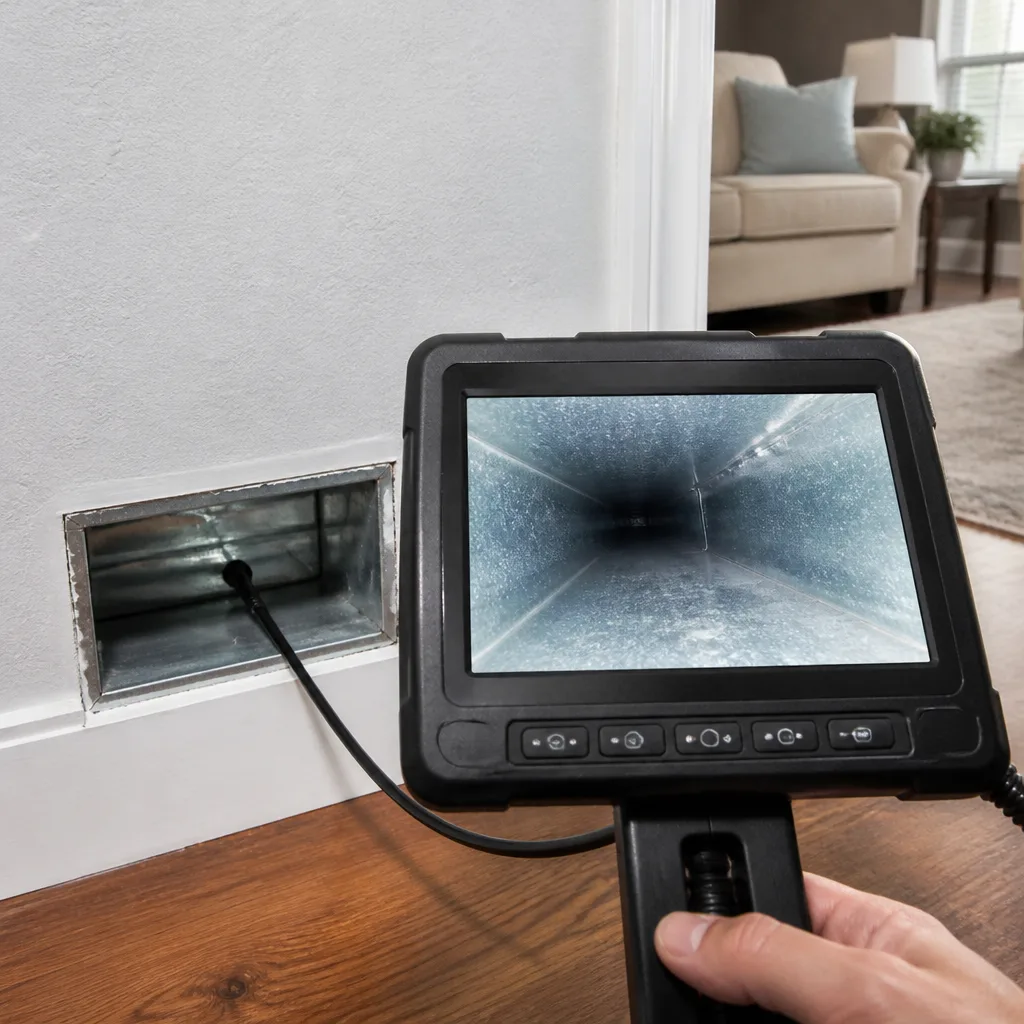 Camera inspection
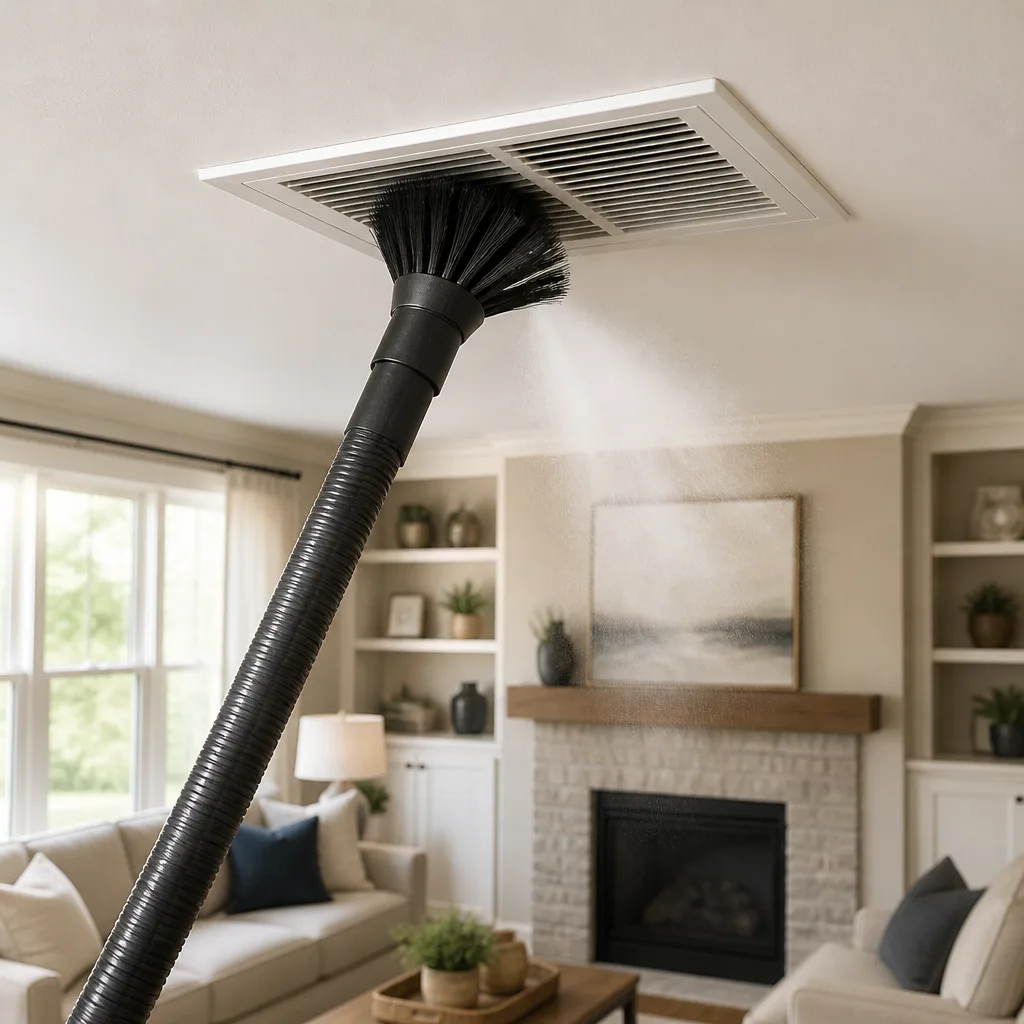 Sanitizing & deodorizing
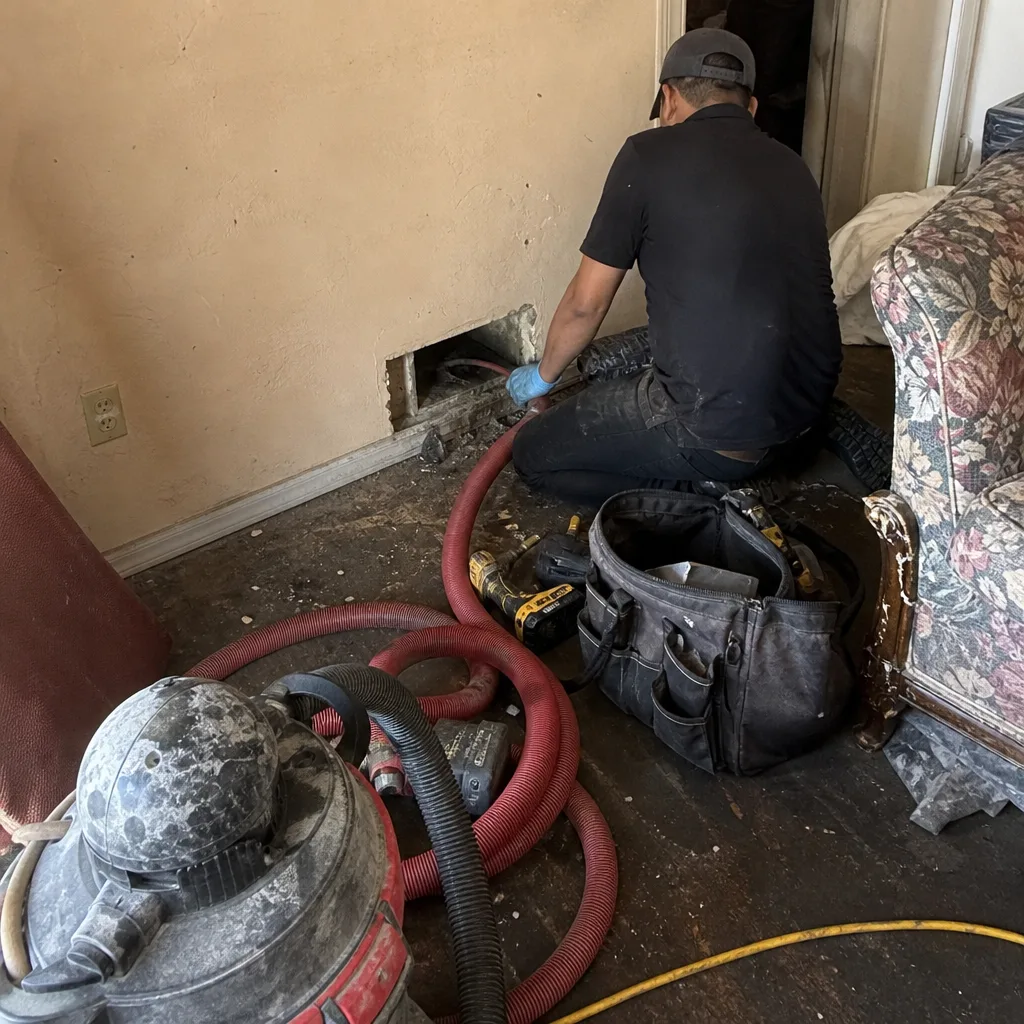
Whole-system duct and dryer vent check with before-and-after photos - you see exactly what came out of your vents
That "$99 whole-house special" is a bait ad - the real number appears once they are in your hallway, or the "clean" is a shop-vac at the register. We photograph the inside of your ducts before and after instead.
Air Duct Cleaning Maintenance Checklist for Lehigh Acres Homeowners
The filter manufacturers who print “90-day replacement” on the packaging didn’t design those timelines for homes running AC ten months a year in a subtropical climate. That’s the first thing Lehigh Acres homeowners get wrong. Generic maintenance schedules assume a temperate house with a furnace that sleeps through summer. Your house doesn’t sleep through summer. It runs the air handler hard, pulls in humid Gulf air, and sits under afternoon storms that dump rain on the roof and push moisture into every gap worth pushing into. So a checklist built for Ohio will leave you behind schedule most of the year. What follows is a maintenance framework calibrated to how homes here actually breathe from January to December: what to check each month, how to spot trouble between professional cleanings, which filters make sense for Florida dust and pollen, and how to document the work so you can track contamination over time instead of guessing.
Quick Answer
A practical air duct maintenance checklist for Lehigh Acres runs on a monthly inspection cycle, a filter replacement rhythm of every 30 to 60 days during high AC season, a visual register check every season change, and a professional duct cleaning every 3 to 5 years, sooner if you have pets, allergies, recent renovations, or storm debris infiltration. The climate here drives the schedule more than any national average, so build the checklist around rainstorm humidity, heavy AC runtime, and post-hurricane dust, not a printed label.
Styles & brands we work with
- Whole-home duct cleaning
- Dryer vent cleaning
- Camera inspection
- Sanitizing & deodorizing
Table of Contents
- Why Standard Duct Maintenance Schedules Fail in Lehigh Acres
- The Lehigh Acres Month-by-Month Duct Maintenance Calendar
- Choosing the Right Filter MERV Rating for a Florida Home
- How to Inspect Supply and Return Registers Yourself
- Dryer Vent Lint in Florida Humidity: Maintenance or Fire Hazard?
- What to Photograph and Document After Every Service
- When Duct Problems Need Repair, Not Just Cleaning
- Common Mistakes to Avoid
- When to Call a Professional
- Frequently Asked Questions
Why Standard Duct Maintenance Schedules Fail in Lehigh Acres
National maintenance advice assumes a house that cycles between heating and cooling roughly evenly. A Lehigh Acres home with a heat pump or central AC spends most of its runtime in cooling mode, which means the air handler is pulling air through the return for far more hours per year than the typical US home. Every one of those hours is an hour of dust loading on the filter, debris settling in the supply trunk, and condensation forming on the inside of ducts that sit in humid attic space.
Add the subtropical cycle. From roughly May through October, afternoon thunderstorms push outdoor humidity to uncomfortable levels, and the house works to strip that moisture out of incoming air. In winter, the system still runs on mild days, but the load drops, and that’s the window where dust that has settled in the ductwork tends to stay put rather than get recirculated. That annual rhythm gives you two different maintenance priorities across the year: humidity and filter load in the warm months, inspection and buildup tracking in the cool months.
Here’s the misconception that catches most first-time homeowners: they assume the system only gets dirty when it’s running. In practice, the quiet months are when settled debris accumulates undisturbed, waiting for the first hot spell to get pulled back into the living space. That’s why a maintenance plan built on the local calendar beats a generic “every 90 days” reminder. In our experience working across Lehigh Acres, the homes that fall behind are the ones following a northern schedule.
The Lehigh Acres Month-by-Month Duct Maintenance Calendar
Use this calendar as a working checklist. Adjust the months slightly for how your specific home runs, but the broad strokes apply to most Lehigh Acres houses. Print it, put it on the fridge, and cross off each item as you go.
January and February
- Replace the filter (dust from the holiday season has settled into return grilles)
- Pull every supply register and shine a flashlight down the boot: look for dust matting on the first 12 inches of duct
- Sniff the supply air at 3 or 4 registers: musty odors point to moisture in the system
March and April
- Filter replacement (transition into higher AC runtime)
- Wipe down return grilles and supply registers with a damp cloth
- Schedule your professional duct cleaning if it’s been 3+ years since the last one
- Check the condensate drain pan for standing water
May through September (peak load)
- Replace the filter every 30 days if you have pets or allergies, otherwise every 45 to 60 days
- Visual register check mid-month
- Watch for condensation on register faces (a sign the system is fighting humidity and needs attention)
- After any named storm, inspect return grilles for debris pulled in from outdoors
October and November
- Post-hurricane season duct assessment if the home took storm exposure or ran the AC during debris-heavy days
- Filter replacement
- Full register inspection with photo documentation
December
- Filter check, register cleanup, and a written record of the year’s maintenance notes
For homes without pets and without allergy concerns, filter changes every 60 days through the warm season are workable. Homes with pets, allergy or asthma sufferers, or recent renovation dust need the 30-day cadence. You’ll find more on filter selection further down. If you’re ever uncertain about the state of a duct system, professional air duct cleaning gives you a clean baseline from which the calendar actually works.
Choosing the Right Filter MERV Rating for a Florida Home
Filter choice is where most Lehigh Acres homeowners either overcorrect or undershoot. The MERV rating is a scale from 1 to 20. Higher MERV traps more particles but also restricts airflow more, which puts strain on the blower and every duct downstream of it. In a subtropical climate with heavy AC runtime, you want a filter that captures the particles that matter without choking the system.
MERV ratings and where they fit
- MERV 8: Basic filtration. Captures dust, pollen, and pet dander. Fine for occasional-use homes or budgets, but not ideal in a Florida summer where filters load fast.
- MERV 11: A strong middle option for homes with pets, pollen exposure, or mild allergy concerns. Better particle capture than MERV 8 without the airflow restriction of higher ratings, and this is often the sweet spot for Florida homes running long cooling cycles.
- MERV 13: Captures finer particles, useful for allergy and asthma sufferers, but restricts airflow. Only choose this if your blower and duct system can handle it, and plan to change it more often than a lower-MERV filter because it loads faster.
- MERV 14 and above: Hospital-grade filtration. Rarely the right call for a standard residential system unless a specific health need drives it. Check with your HVAC contractor before installing one.
Here’s the local part that matters: homes with dogs and cats in a subtropical climate see filter loading roughly 30 to 40 percent faster than pet-free homes, because pet dander sticks to the moisture that’s already suspended in the air. Homes near the wooded edges of Lehigh Acres face heavier pollen and outdoor particulate exposure during the spring blooming cycle. And homes with a whole-home Aprilaire or Honeywell air cleaner installed need the filter matched to that system rather than a generic off-the-shelf replacement. When we service a home with a whole-home air quality system, the filter choice gets made knowing the whole system, not just the duct in isolation.
Whatever MERV you choose, buy the filter in bulk and write the install date on the frame with a Sharpie. That single habit is the most reliable maintenance action anyone can take.
How to Inspect Supply and Return Registers Yourself
Register inspection is the DIY piece of the checklist that actually pays off. You don’t need tools or a ladder beyond what you already have. You need five minutes, a flashlight, and the ability to sniff the air with intention.
Step-by-step visual and olfactory check
- Turn the system off.
- Loosen the register cover on a supply register in a main living room. Most covers lift off or unscrew by hand.
- Shine the flashlight down into the boot and the first 12 to 18 inches of the duct. Look for three things: a uniform gray dust film (normal), matted clumps (heavy accumulation), and dark spots that look damp (moisture or mold concern – stop, close up, and call a professional).
- Repeat on 2 or 3 supply registers on different branches of the duct system, not just the closest one to the air handler.
- Sniff the air coming out of a running register. Musty or sour means moisture; sharp or chemical means something’s off in the system.
- Check the return grille filter slot. Pull the filter and hold it up to a light. If you can’t see light through it, it’s overdue.
- Snap a photo of each register before you close it. You’ll use these later.
Do this quarterly, or as often as monthly during the busy season. What you’re looking for across time is a trend: if the dust film on the same register grows heavier over two or three checks, buildup is happening faster than your cleaning schedule assumes. That’s your signal to book a cleaning. In Lehigh Acres, homes near the sandy lots being graded for new construction often see this acceleration in late summer. If the inspection shows heavy matting on multiple registers, don’t wait for the calendar – call us for a professional assessment.
Dryer Vent Lint in Florida Humidity: Maintenance or Fire Hazard?
Dryer lint is not decorative. It’s fuel. Every load of laundry deposits a film of lint on the inside of the dryer vent line, and in a Florida home the humidity actually makes that lint clump and stick to the duct walls faster than in a dry climate – moisture in the air makes lint tacky, and tacky lint catches more lint. In Lehigh Acres, where the air is humid most of the year and dryers run at least a few times a week in most households, the accumulation rate is genuinely faster than the national advice assumes.
Where does it cross from maintenance item to fire hazard? When the air can no longer move freely through the vent. Ask yourself three questions:
- Does a load of laundry take noticeably longer to dry than it did a year ago?
- Does the dryer feel hot to the touch on top or the vent flap feel weak on the outside?
- Is the flexible line behind the dryer kinked or crushed?
If any of these are true, the vent is already restricted and needs attention now, not next quarter. The National Fire Protection Association considers dryer vents a leading cause of residential fires precisely because lint accumulation is invisible and gradual. We treat dryer vent cleaning as a core service, not a tacked-on upsell, because the safety stakes are higher than the air-quality stakes – and both are handled in the same visit here.
Dryer vent maintenance rhythm for Lehigh Acres
- Clean the lint screen after every load (non-negotiable, this is basic safety)
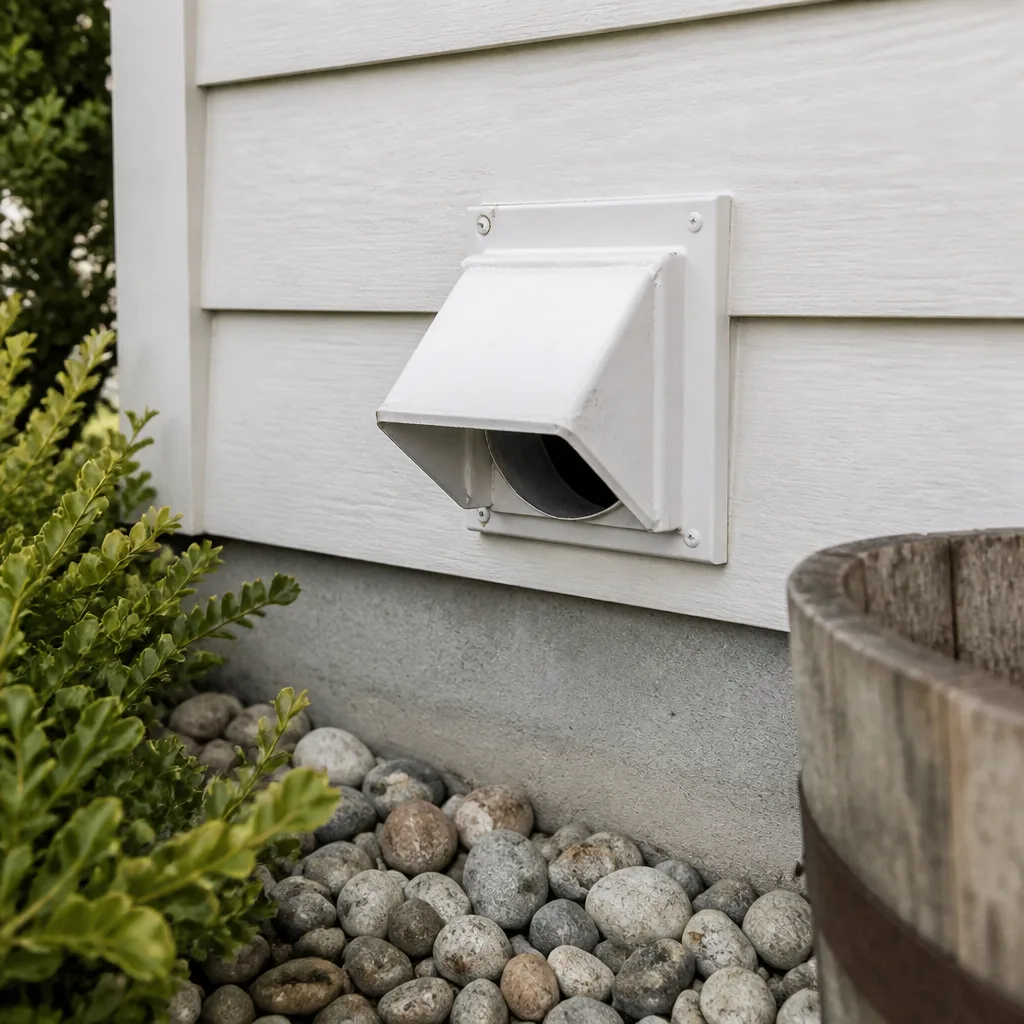
- Inspect the outdoor vent flap quarterly for lint clumps and any sign of pest entry
- Professional dryer vent cleaning every 12 months for average households
- Every 6 to 8 months for large families, pet-heavy homes, or households running 5+ loads a week
What to Photograph and Document After Every Service
Here’s the piece most homeowners skip, and it’s the piece that turns maintenance from guesswork into a track record: documentation. After every professional cleaning and after your own register checks, take photos and keep notes. Over two to three years, this record tells you exactly how fast contamination builds in your specific home. That data is more valuable than any generic schedule.
What to capture after a professional cleaning
- A photo of the inside of each supply duct immediately after cleaning, at the same register you photograph during your own inspections
- A photo of the return trunk and air handler interior before and after the service
- A written note of the date, the technician’s name-for-the-record (or job number), what was cleaned, and what was found (heavy buildup, evidence of moisture, compromised duct sections)
- Any photos of duct damage or gaps the technician identified, so you can decide on repair
What to capture after your own quarterly check
- One photo per inspected register
- A simple note: “Heavy dust / light dust / clean” for each
- Filter change date
- Any unusual smell noted
Keep these in a folder on your phone or a shared album labeled with the address and year. When you eventually sell the home, this record is proof of care that most homeowners can’t produce. When a technician comes out for a future cleaning, they see the trend line instead of starting from scratch. Professional-grade equipment like the Abatement Technologies negative-air tools we use is meant to capture contaminants rather than redistribute them, and seeing the before-and-after photos is exactly how you confirm the work was actually done.
When Duct Problems Need Repair, Not Just Cleaning
Cleaning restores a duct that’s dirty. Repair restores a duct that’s damaged. The two aren’t the same job, and a specialist should tell you which one you’re facing before the truck even pulls up. Cleaning a compromised duct system without addressing the gaps just puts clean air back into a leaky channel.
Watch for these signals during your own inspections:
- Visible gaps at joints or where flex duct meets a metal boot
- Duct sections that sag or have crushed or pinched flex runs (common in older attics)
- Torn or disconnected sections of flex duct in the attic
- Airflow differences between registers that are supposed to share a branch
- Registers that whistle, rattle, or blow weakly compared to the rest of the house
- Any evidence of rodent or pest activity (droppings, chewed insulation, nesting material)
Any single one of these on its own is worth a professional look. Two or more together almost always means a repair is needed. In a subtropical climate with high attic humidity and seasonal temperature swings, flex duct doesn’t last as long as it does in drier parts of the country, and joints tend to work loose over time. Our duct cleaning Lehigh Acres service handles the identification; the repair work happens alongside it in many cases. If you want to see how we approach the surrounding service area, the Lehigh Acres page covers what we typically see in this part of Florida.
Common Mistakes to Avoid
- Following a national “every 90 days” filter schedule. In Lehigh Acres, the AC runtime and humidity accelerate filter loading far past that. During the warm months, 30 to 60 days is the right rhythm.
- Buying the highest-MERV filter you can find. A MERV 14 filter in a standard home blower will restrict airflow and stress the system. Match the filter to what your equipment can handle.
- Hiring a cleaner who only vacuums the registers. True duct cleaning reaches the duct trunks, plenum, and air handler. If the quote is very low and the work is fast, you likely paid for surface vacuuming, not cleaning.
- Ignoring the dryer vent until your clothes take two cycles. By the time laundry time doubles, lint has already restricted airflow to a fire-risk level. Annual dryer vent cleaning sidesteps that entirely.
- Never taking photos. Without a documented record, you can’t tell whether contamination is building faster than the cleaning schedule assumes. Documentation is the cheapest maintenance tool you have.
- Treating a gap or tear in attic duct as “not urgent.” A compromised duct drops clean air into attic space and pulls humid attic air into your home. Repair it before the next cleaning.
- Skipping the seal-up after a storm. Post-storm debris that gets inside the return side of the system lingers in the ducts long after the storm passes. Inspect and clean if a storm pushed debris into the system.
When to Call a Professional
Some things you handle yourself. Others need a technician with the right equipment, because a shop vacuum can lift dust, but it can’t move the volume of air that professional duct cleaning needs to actually clear a residential system. Call a professional when: your register inspection shows matted dust at multiple supply boots; you notice musty odors from more than one register; it’s been 3 to 5 years since the last cleaning (sooner if you have pets or allergies); a named storm has dumped debris into the return side; your dryer takes noticeably longer than it used to dry a standard load; or you see gaps, tears, or sagging in the attic ductwork.
Duct Cleaning Lehigh Acres offers free estimates in Lehigh Acres. Our technicians have up to 8 years of experience, use professional-grade Rotobrush and Nikro equipment, and bring negative-air containment on every job so contaminants get captured, not recirculated. Call (855) 554-4780 for a free estimate. We answer 24/7, with fast dispatch from 7am to 7pm, Sunday through Friday.
Frequently Asked Questions
Every 3 to 5 years for most homes, with a shorter cycle of 2 to 3 years for homes with pets, allergy or asthma sufferers, recent renovation dust, or storm debris infiltration. The heavy AC runtime in this subtropical climate pulls more air through the system than a northern home does, so the local interval skews shorter than national averages.
MERV 11 is the strongest general choice for most Lehigh Acres homes because it captures pollen, pet dander, and fine dust without restricting airflow the way MERV 13 does. Homes with allergy or asthma concerns may use MERV 13 if the blower can handle the restriction. Check with your HVAC contractor before going higher than 13. Call (855) 554-4780 for an exact quote on a cleaning – estimates are free.
Pricing is set per system by a written estimate, not per vent, and the final price is confirmed before any work starts. That means no bait-and-switch coupon price that grows once the technician is at the door. Ask for the estimate in writing, ask what equipment will be used, and ask for before-and-after photos of your own ducts. Call (855) 554-4780 for an exact quote – estimates are free.
Cheap quotes typically mean surface-level vacuuming of the register covers, not cleaning the duct trunks and air handler, or it means a crew without containment equipment who stir up contaminants instead of capturing them. Professional-grade equipment (Rotobrush, Nikro, and negative-air systems like Abatement Technologies) costs more to run, and it’s the difference between a thorough clean and a cosmetic wipe-down. Call (855) 554-4780 for an exact quote – estimates are free.
You should be able to see before-and-after photos of your own ducts, not stock images, and you should receive a written summary of what was found and cleaned. Professional-grade containment equipment captures dislodged debris rather than recirculating it, and a technician using that equipment can show you the results. Ask for the photos as part of the service. Call (855) 554-4780 for an exact quote – estimates are free.
Yes. Humid air makes lint tacky, and tacky lint sticks to the inside of the dryer vent line faster than in drier climates. Lehigh Acres homes running several loads a week should have the dryer vent professionally cleaned every 12 months, and every 6 to 8 months for large or pet-heavy households. Call (855) 554-4780 – estimates are free.
The Bottom Line
The right maintenance checklist for a Lehigh Acres home isn’t the one on the filter box. It’s the one calibrated to the climate: a filter rhythm of 30 to 60 days during high AC season, quarterly register inspections with photo documentation, a MERV rating sized to your actual HVAC blower, professional duct cleaning every 3 to 5 years, and annual dryer vent cleaning because Florida humidity accelerates lint accumulation into fire-hazard territory. Do these five things consistently and you’ll track contamination over time instead of reacting to it. When you’re ready for a professional baseline, call (855) 554-4780 for a free estimate. We answer 24/7, with fast dispatch from 7am to 7pm, Sunday through Friday, closed Saturday. Professional-grade equipment, not shop-vac shortcuts.
Written by the team at Duct Cleaning Lehigh Acres.
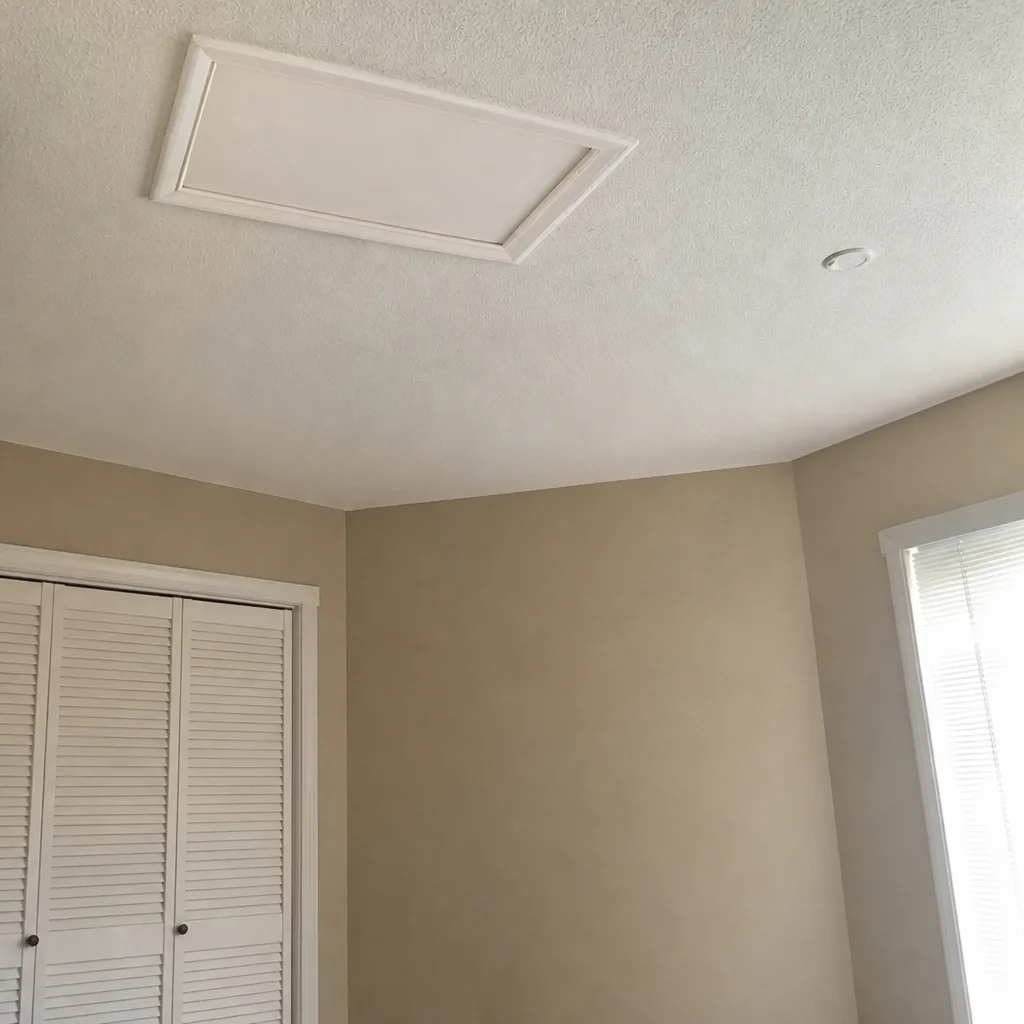
See the difference
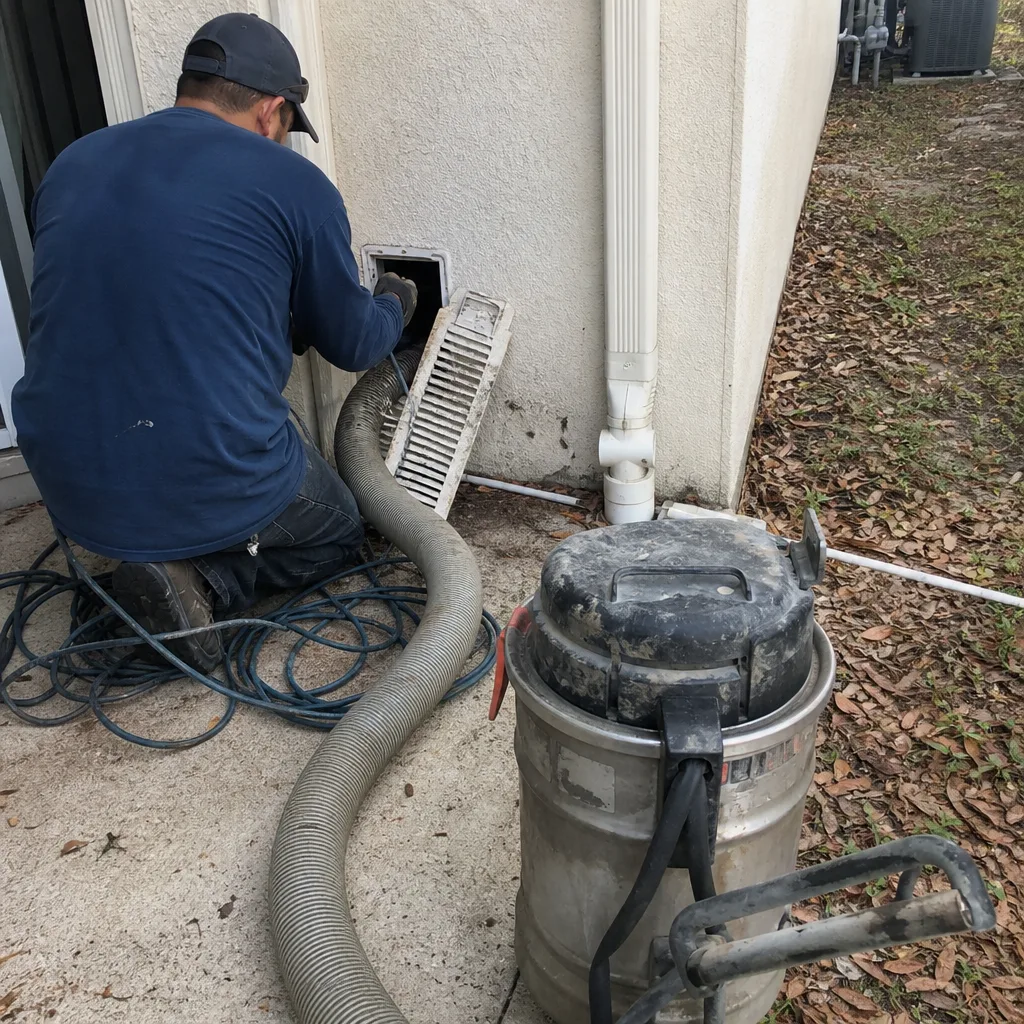 Before
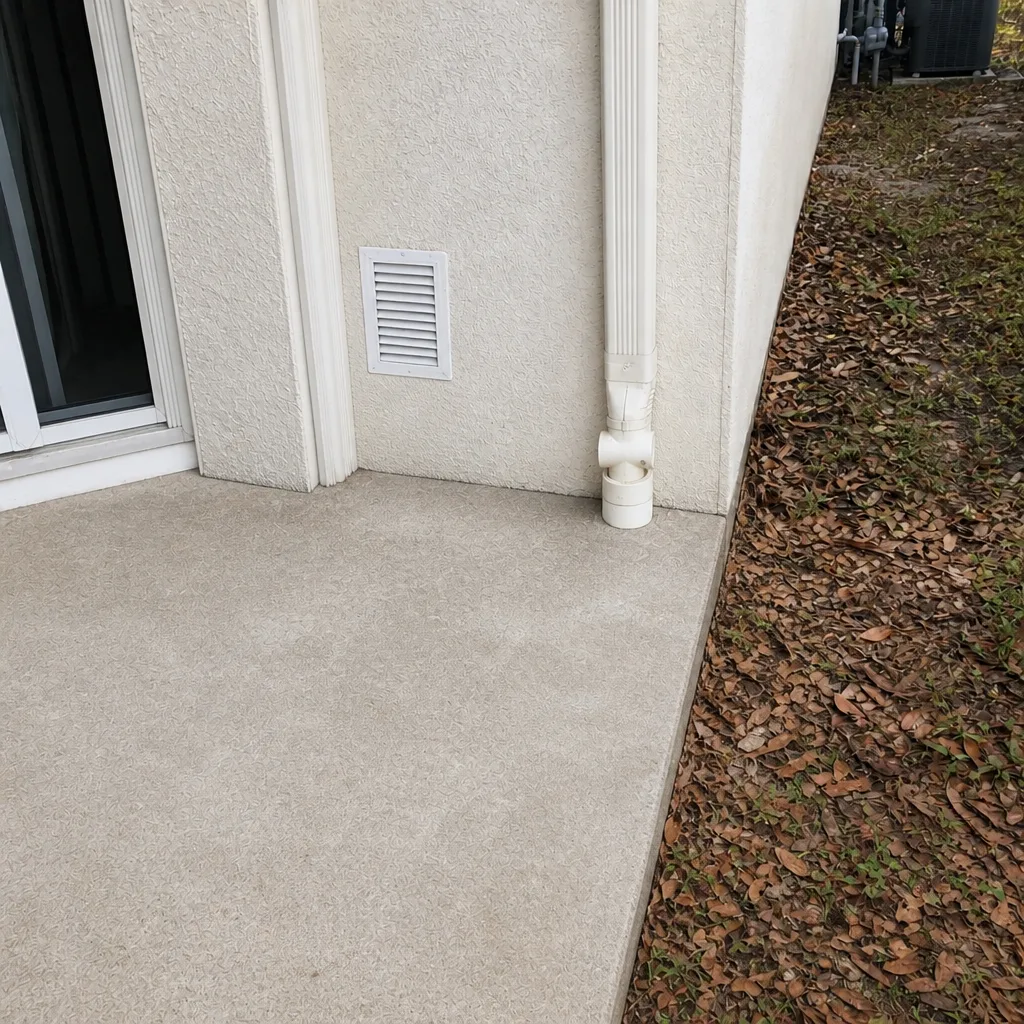 After
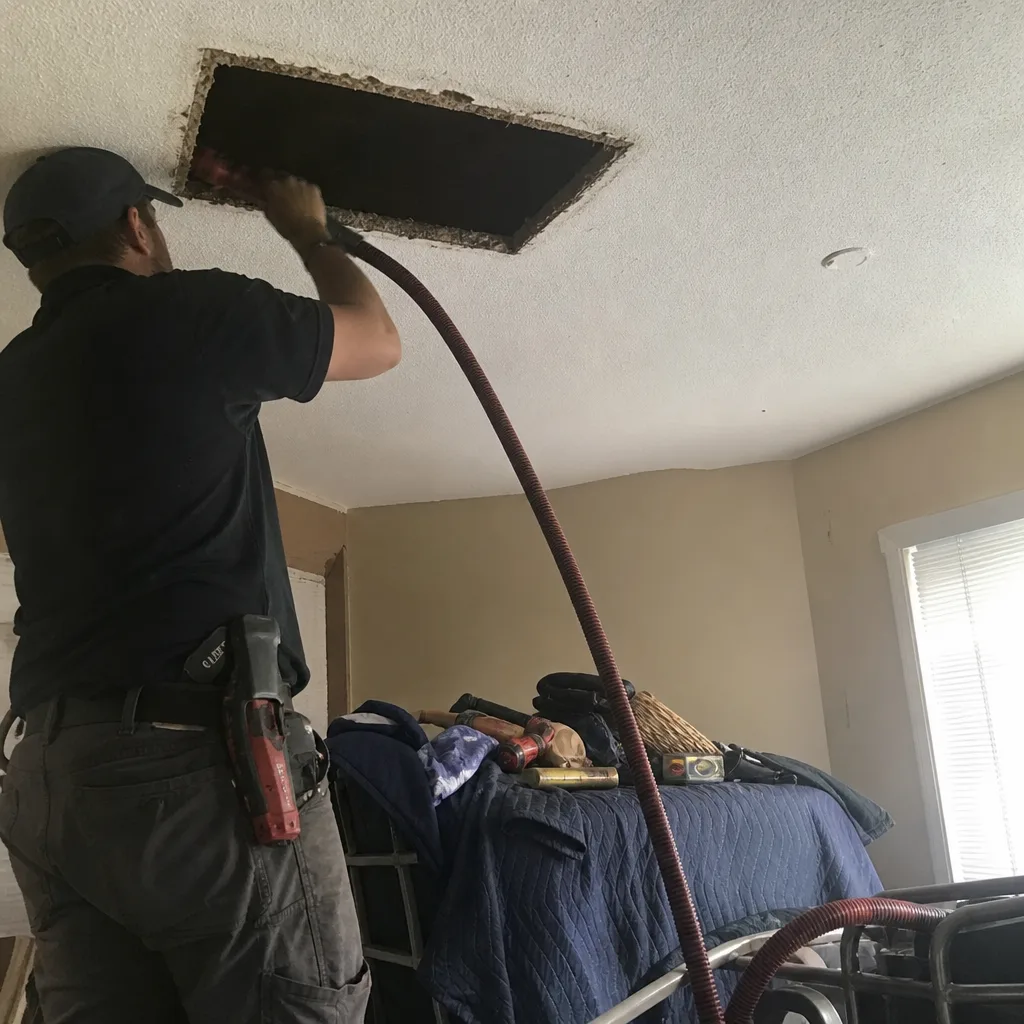 Before
 After
 Before
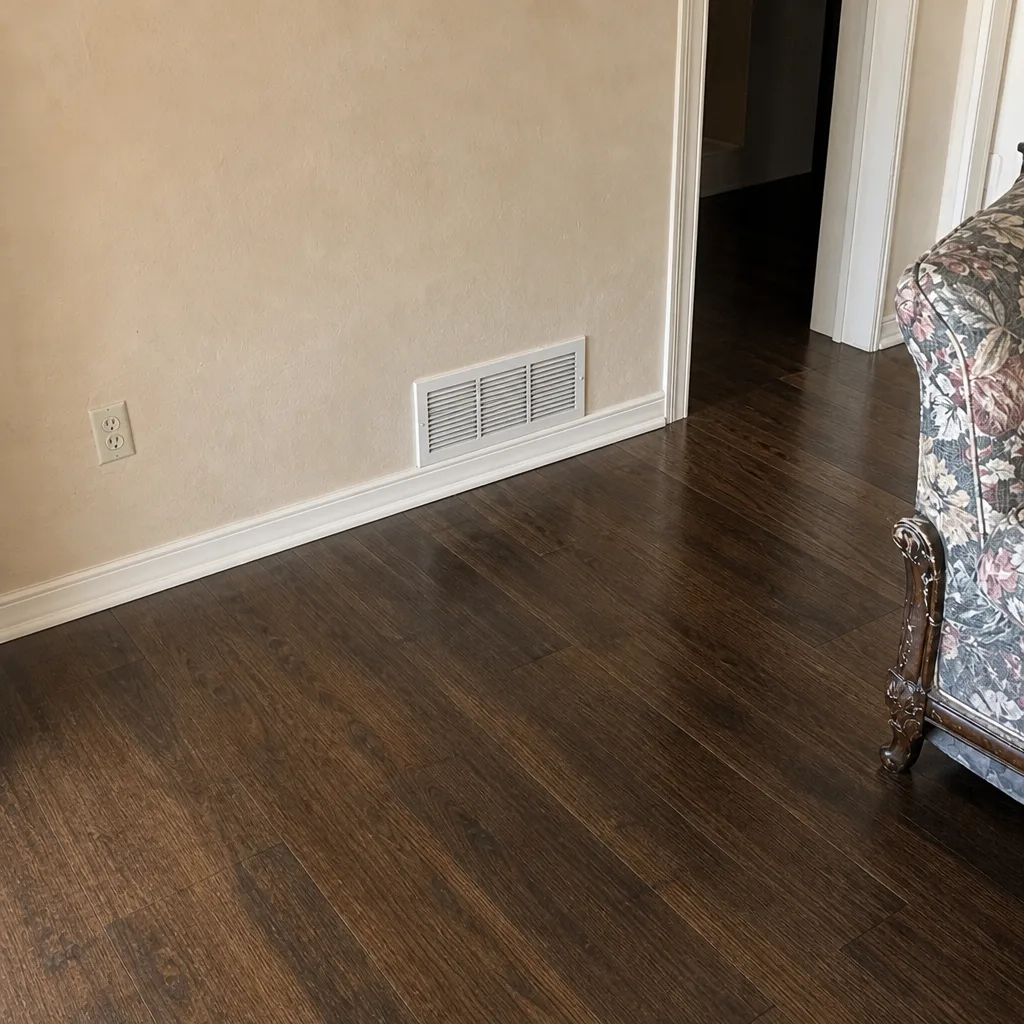 After