
Last updated November 15, 2026
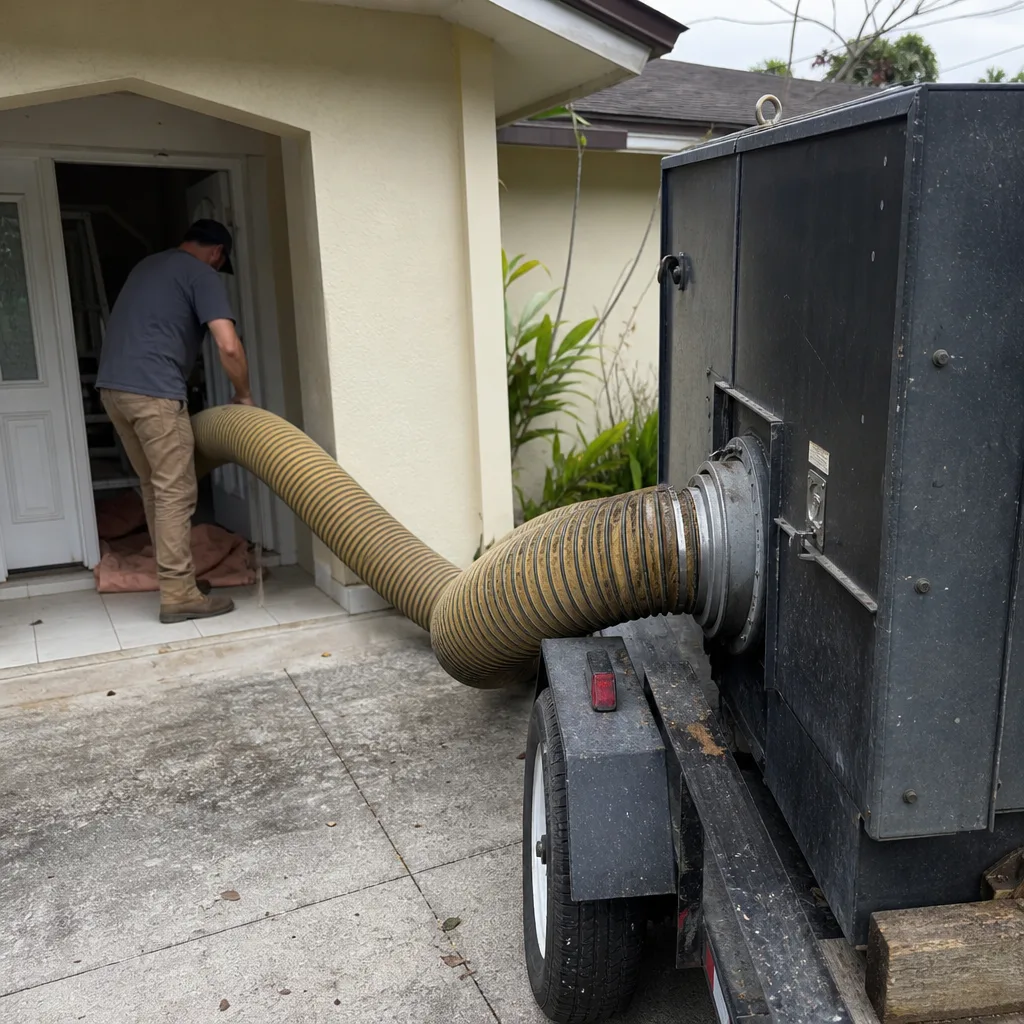
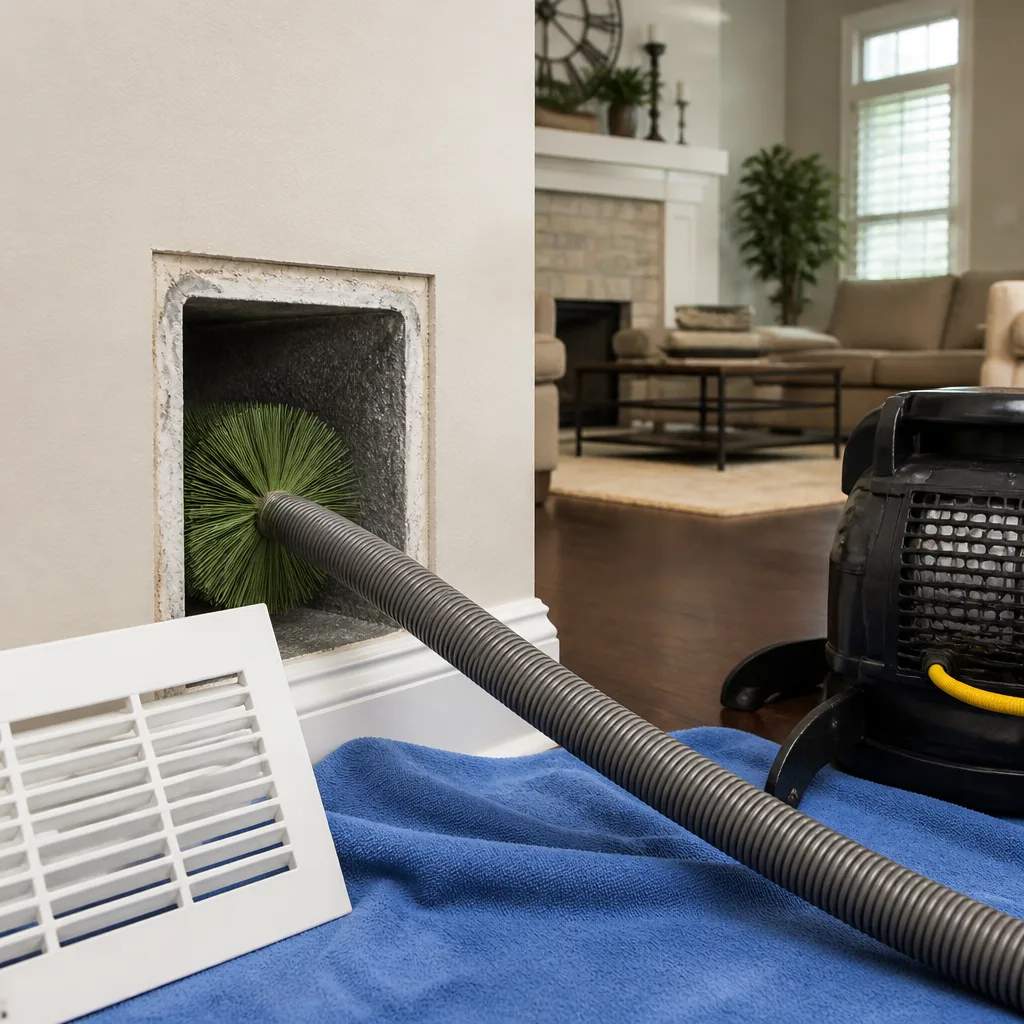 Whole-home duct cleaning
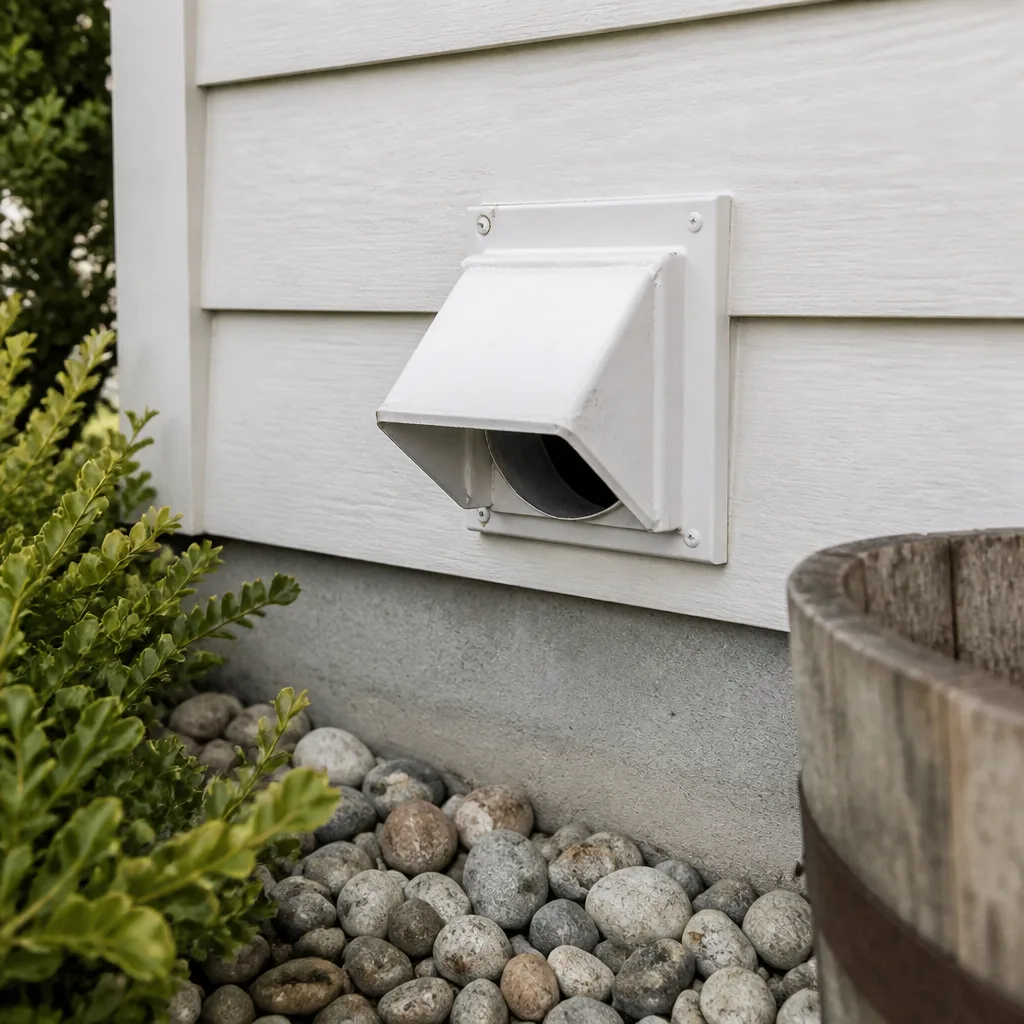 Dryer vent cleaning
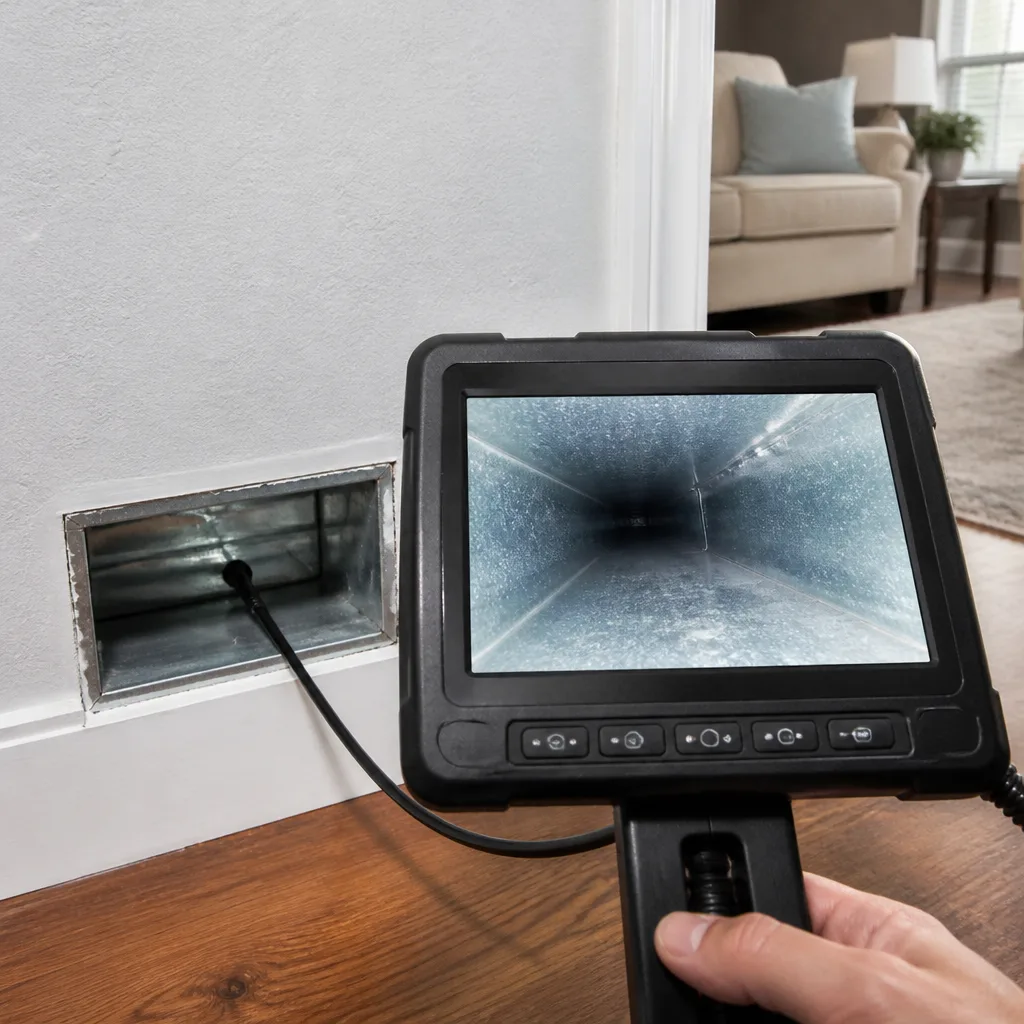 Camera inspection
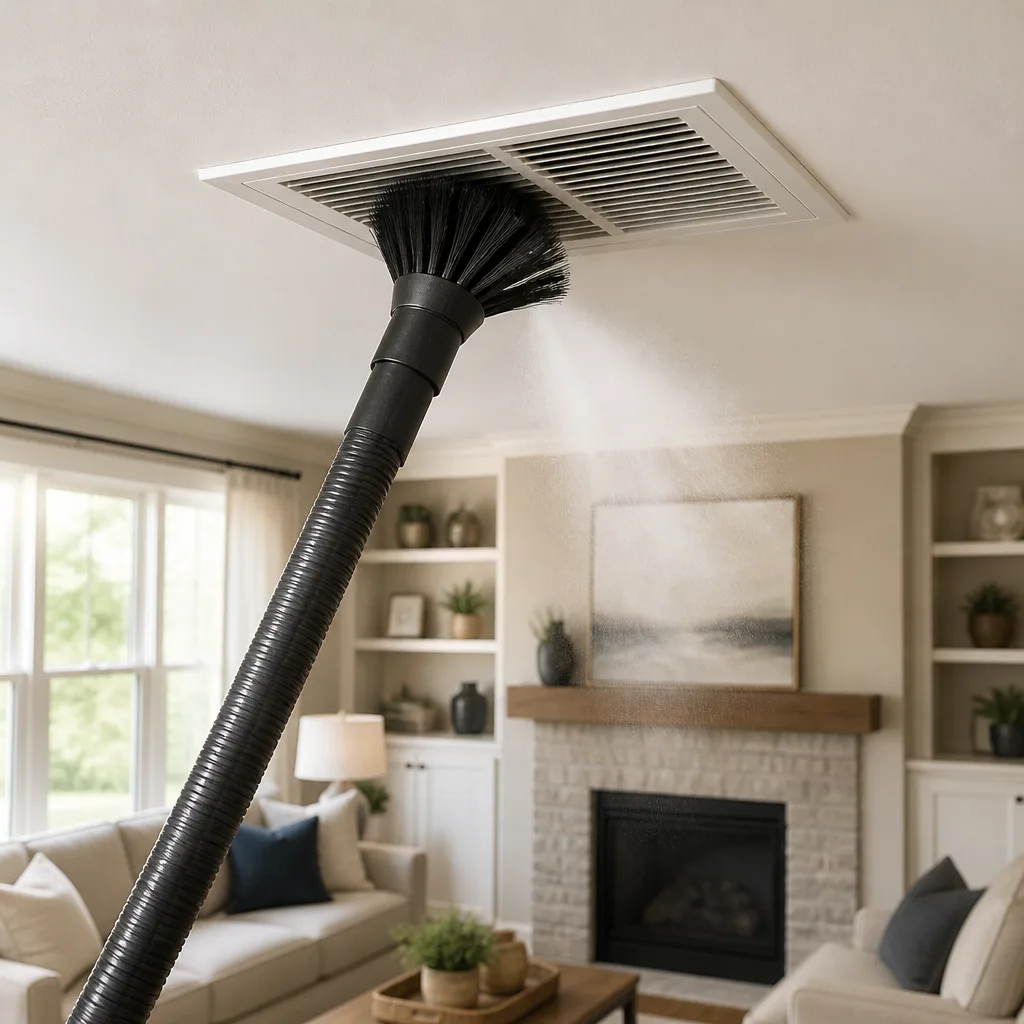 Sanitizing & deodorizing
Whole-system duct and dryer vent check with before-and-after photos - you see exactly what came out of your vents
That "$99 whole-house special" is a bait ad - the real number appears once they are in your hallway, or the "clean" is a shop-vac at the register. We photograph the inside of your ducts before and after instead.
Air Duct Cleaning Permits, Codes & Inspections in Lehigh Acres, FL: What You Need to Know
Duct cleaning itself doesn’t require a permit in Florida. But the moment a technician cuts into ductwork, replaces a section of flex duct, or modifies an air handler connection, you’ve crossed into work that Lee County’s building department considers regulated. That distinction surprises most homeowners in Lehigh Acres, who assume duct care is simple maintenance from start to finish. This guide walks through where the line sits: what the Florida Building Code treats as routine upkeep, what counts as regulated HVAC work, how unpermitted duct modifications surface during a home sale inspection, and which paperwork you should keep after any technician touches your system.
Quick Answer
Cleaning the inside of existing ducts is maintenance and doesn’t need a permit in Lehigh Acres. Permits become necessary when a project alters the system itself: cutting into or replacing duct runs, sealing with materials that change the system’s rating, or reconnecting an air handler in a new configuration. In Lee County, that work falls under the Florida Building Code’s mechanical and energy chapters, and it generally needs a licensed HVAC contractor and a permit. If you’re unsure which category your job fits, a written scope of work from the contractor answers it before anyone starts.
Styles & brands we work with
- Whole-home duct cleaning
- Dryer vent cleaning
- Camera inspection
- Sanitizing & deodorizing
Table of Contents
- Where the Permit Line Sits in Lehigh Acres
- How Florida Building Code Chapter 13 Applies to Duct Sealing and Replacement
- Lee County Building Department Versus Maintenance-Only Work
- When a Duct Cleaning Company Needs an HVAC License
- How Unpermitted Duct Work Surfaces During a Home Sale Inspection
- What Documentation to Request and Keep
- Why Lehigh Acres Humidity Makes Duct Integrity a Code Issue
- Questions to Ask Before You Hire
Where the Permit Line Sits in Lehigh Acres
In our experience, the confusion starts because “duct work” describes two completely different jobs. Cleaning a duct does not change the system. Repairing one does. Lee County treats those differently, and so should you when you’re comparing quotes.
Here’s the practical split we use when a customer asks.
Routine maintenance, no permit:
- Mechanical cleaning of existing duct interiors using negative-air equipment and rotary brushes
- Replacing supply registers and return grilles with matching sizes
- Standard filter swaps and filter frame adjustments without altering duct openings
- Cleaning the evaporator coil exterior and drain pan without cutting into the plenum
- dryer vent cleaning, which is maintenance to a different system entirely
Regulated work, generally requires a permit and an HVAC license:
- Cutting a new opening into ductwork or adding a supply run to a room
- Replacing a length of flex duct, especially when the run’s length or routing changes
- Reconnecting the main trunk to a new air handler or relocating a plenum
- Sealing ducts in ways that affect the system’s measured efficiency
- Any modification that changes the system’s static pressure or airflow balance
The line is not always perfectly sharp. A technician who finds a collapsed section of flex duct behind a closet has to remove and replace it. That is repair work, and it typically needs a permit. Cleaning companies that offer air duct cleaning alone will tell you the repair is not their scope. That’s fair. What isn’t fair is cutting into the duct and calling it cleaning.
If the scope of work on your quote includes the word “replace,” “modify,” “extend,” or “reroute,” ask whether a permit is part of the job. If the answer is no, you’ve got a problem before the first screw goes in. We’ve seen this come up repeatedly in Lehigh Acres, where homes built quickly during the 2000s often have duct layouts that don’t match later renovation work.
How Florida Building Code Chapter 13 Applies to Duct Sealing and Replacement
Florida Building Code Chapter 13 covers energy efficiency, and ductwork is a significant part of it. The chapter sets requirements for duct insulation, sealed connections, and how the system performs after modification. What most Lehigh Acres homeowners don’t realize is that the code doesn’t just apply at new construction. It applies any time ductwork is replaced or sealed as part of a permitted project.
What that means in plain terms:
- Replacement duct has to meet insulation requirements. Standard builder-grade flex duct with low R-value often fails current code on a like-for-like replacement. The contractor has to bring the replacement up to the standard.
- Joints and seams have to be sealed. Mastic or approved tape on every connection. Not foil tape over a gap. Actual sealing.
- Duct leakage in conditioned spaces matters. A system that leaks ten percent of its delivered air isn’t just inefficient. It can fail the inspection that’s part of a permitted job.
- The performance standard applies to the whole system. If a permitted modification degrades overall efficiency, the inspector can require rework.
Chapter 13 also influences the way we approach air duct repair here. When we find a duct that’s disconnected under a mobile home or a run that’s collapsed in the attic, the fix isn’t just reconnect and go. The replacement materials should meet what the code asks for, so you’re not paying twice when you sell the house. If you’ve hired a company whose only answer is a bigger piece of flex duct from the hardware store, the repair is temporary at best.
You can check on current code requirements by contacting Lee County’s building department directly or asking the licensed contractor pulling the permit. Code is amended periodically, so the current edition on file at the county is what governs your project.
Lee County Building Department Versus Maintenance-Only Work
Lee County’s building department is the authority having jurisdiction over HVAC and duct work in Lehigh Acres. Their Code Enforcement and permitting staff decide, case by case, whether a job needs a permit. The clearest signal is the scope of work: cleaning is not a permitted activity, and structural change to the system is.
Some practical realities about how this plays out locally.
- Lehigh Acres has a large share of older manufactured and site-built homes. Duct configurations vary widely, and what’s acceptable in one doesn’t exist in the next. A permit ensures someone competent reviewed the plan.
- Code enforcement responds to complaints and inspection findings. An unpermitted duct modification discovered during a sale inspection can bring the county into the transaction, which delays closing.
- Permitting protects the homeowner’s insurance position. Some policies require permitted work on HVAC systems. A modification done without a permit can complicate a claim.
- The department also handles questions about the original installation. If you’re not sure whether a duct that runs through a soffit was properly permitted when the home was built, pulling the permit history is a phone call away.
For a homeowner in Lehigh Acres, the safest move is to ask the question before work begins. A quick call to the building department with the contractor’s proposed scope of work gives you a clear answer. The company you hire should be comfortable with that question, not annoyed by it. For more on how we handle the local reality of duct care, look at our Lehigh Acres service information.
When a Duct Cleaning Company Needs an HVAC License
Florida has a defined scope for the HVAC license under the Florida Building Code and Florida Statutes Chapter 489. The HVAC contractor license covers installation, repair, maintenance, and alteration of heating, ventilating, and air conditioning systems. Ductwork, being part of the air conditioning system, falls under that scope when work involves modification or repair.
Cleaning is a narrower category. A company performing cleaning-only work (mechanical duct cleaning with no alteration to the duct itself) is not doing licensed HVAC work in most cases. This is where some confusion arises in the marketplace, because the same person can do both jobs depending on how it’s structured.
What you should look for:
- Cleaning-only job: Ask about certifications and equipment. The right truck-mounted or portable system with negative air containment is what separates a real cleaning from a surface brush. At a minimum, ask about the equipment brand.
- Cleaning plus repair: Ask for the HVAC contractor license number of the company performing the repair, or for the license number of the licensed contractor they work with. Duct repair generally requires that license, and the permit will name it.
- Any job that needs a permit: The permit application has to be filed by the licensed contractor. That means the person who does the work should be the person whose license is on the permit.
- Subcontracted repair: If your cleaning company arranges the repair through a separate licensed company, ask for the contract and the license number in writing before work begins.
Duxt Cleaning Lehigh Acres approaches this by focusing on cleaning, repair, and dryer vent work inside the duct system itself. When a job involves permitting or licensed HVAC modification, we tell the homeowner, and we work with a licensed HVAC contractor to make sure the work meets code. That separation is cleaner for the homeowner than watching a cleaning company stumble through a repair it isn’t licensed to sign off on.
How Unpermitted Duct Work Surfaces During a Home Sale Inspection
Real estate transactions in Lehigh Acres are where unpermitted duct work most often surfaces. A pre-listing inspection, or the buyer’s inspection, catches system-level problems that were invisible for years. And once caught, the work has to be fixed before closing.
Common signs an inspector flags:
- Duct runs that don’t appear on the permit history for the home
- Flex duct visible in an attic with no supporting strap or hanger at code-required spacing
- Seams sealed with “duct tape” (the fabric kind) instead of mastic or approved sealing methods
- Register locations that postdate the original home plans without a corresponding permit
- An air handler reconnection with visible gaps or mismatched duct sizes
- R-8 or R-6 replacement duct installed where the original was R-4, without documentation of the change
The cost of remediation varies by job, so we don’t quote figures in this guide. What we can say is that the fix is always cheaper when it’s done correctly the first time. A permit costs far less than a delayed closing. And once the buyer’s inspector finds unpermitted work, the home becomes harder to sell, and your negotiating position weakens in a way that no cleaning job is worth.
If you’re prepping a Lehigh Acres home for sale, call the county for a permit history before the listing goes live. It’s a free call, and it catches the problem while you still have time to fix it properly.
What Documentation to Request and Keep
Documentation is the homeowner’s insurance against future problems. Whether a job required a permit or not, keep a file for every service visit. The next buyer, the next insurance claim, or your next contractor will thank you.
Request these items from any contractor, every time:
- A written scope of work. What they’ll do, which rooms or runs they’ll touch, and what they will not touch.
- Before-and-after photographs of your own ductwork. A professional cleaning job produces these. If they can’t show you what was inside before they started, don’t hire them.
- Equipment list or brand information. At a minimum, note whether the equipment was professional-grade or consumer-level. Systems like Rotobrush are built for residential duct interiors. That matters for what gets removed versus redistributed.
- Any permit documentation and final inspection results. If a permit was pulled, keep the final inspection card. It’s the proof you’ll need later.
- A written estimate and final invoice, both signed. The written estimate sets the price. Make sure the final invoice matches before you sign a check.
- The contractor’s license information. For repair work, the HVAC license number and business name.
- Cooling system notes. If the technician found anything that concerned them (a disconnected flex run, mold on the evaporator, a dirty drain pan) ask for it in writing.
The documentation habit matters more in Lehigh Acres than people realize because the housing stock is varied. Homes built in phases across decades, with renovations that didn’t always pull permits, have duct systems that are sometimes a puzzle. A file with photos and permits solves the puzzle.
Why Lehigh Acres Humidity Makes Duct Integrity a Code Issue
Lehigh Acres sits well inland, but the climate here is humid year-round. That humidity is a direct reason duct integrity matters more in Florida than homeowners in drier climates would ever imagine. A duct that’s sealed properly keeps conditioned air in. A duct that isn’t lets that same conditioned air sweat onto building materials and feed mold growth before anyone notices.
The Florida Building Code’s energy chapter exists in part for this reason. Duct leakage isn’t only an efficiency problem here. It’s a moisture problem. Missing insulation, an unsealed plenum, or a flex run that sagged off its strap changes the temperature of the duct’s surface. That’s where condensation forms. That’s where you find mold on the duct exterior or inside the plenum.
This is why we approach cleaning with containment equipment like Abatement Technologies negative-air systems. When you open a duct to clean it, you’re disturbing whatever has built up. Contaminants captured, not recirculated, is the whole point. And when cleaning reveals a compromised run, it needs proper repair, not a quick patch with a short piece of flex duct and fabric tape. The moisture stays the problem, and the repair fails again in a few months.
If you’re seeing any of the following, duct repair is worth asking about:
- Dust that returns to surfaces within days of cleaning
- An attic that stays noticeably hotter or more humid than it should
- Different rooms that don’t cool evenly, especially bedrooms that were added or reconfigured
- A musty smell that comes back after cleaning
- Visible flex duct sagging between straps or hanging away from a connection
Questions to Ask Before You Hire
We’ve fielded enough homeowner questions to know what separates a good hire from a problem hire. Bring this list to the next call. The answers tell you more than the price does.
- What equipment will you use? Professional-grade systems (Rotobrush, Nikro, similar) or a shop-vac with a long hose. The former is normal. The latter is not.
- Will you show me before-and-after photos? If yes, they’re doing real work. If the answer is vague, they aren’t.
- Is this a cleaning-only job or does the work include repair? Ask specifically whether any duct is being cut, replaced, or resealed. That’s the permit question.
- Who is licensed for any repair work? If the cleaning company isn’t an HVAC contractor, ask who is, and ask for the license number in writing.
- What’s the written estimate, and does it cover the whole system? One flat price per system, agreed before work starts. Not a per-vent price. Not a coupon price that grows on the invoice.
- Are you familiar with the air quality equipment in my home? If you have an Aprilaire whole-home humidifier or dehumidifier, or a Honeywell air cleaner, the cleaning job should account for how those interact with your ducts.
- Will the ducts be under negative air during the cleaning? Without containment, the debris ends up on your furniture. With it, the debris ends up in the collection system.
Common Mistakes to Avoid
- Assuming all duct work is maintenance. Cleaning is maintenance. Cutting, sealing, reconnecting, or extending a duct is repair, which triggers permit and licensing requirements. If you don’t know which category your job fits, ask the contractor’s written scope to make it clear.
- Hiring on price alone and skipping the license question. A price that’s noticeably lower than other quotes usually means the work isn’t being done under a licensed contractor or a permit. That discount evaporates during a sale inspection.
- Not asking for before-and-after photos. A photo of your own ductwork is the only proof you have that the job happened. A company that can’t show you an industry-standard photo pair isn’t documenting its work, which is a problem for you later.
- Accepting a coupon price without asking what’s included. Per-vent pricing and teaser coupons are how this trade earns its bait-and-switch reputation. One flat price for the whole system, agreed before work starts, is the honest structure. Anything else asks you to trust a number that grows on the invoice.
- Ignoring the permit history when buying a Lehigh Acres home. Pull the permit history before closing, not after. The county’s records show whether the duct system was modified with or without review. It’s a free call, and it can save you a negotiation later.
- Using fabric duct tape to fix a duct problem. The fabric kind fails in Florida humidity within months. Mastic or approved sealing tape is what the code asks for, and it’s what lasts.
- Letting a cleaning company skip the containment step. Ducts opened without negative air release what’s inside back into the living space. Containment isn’t a luxury feature. It’s the standard. If your contractor doesn’t have it, ask why.
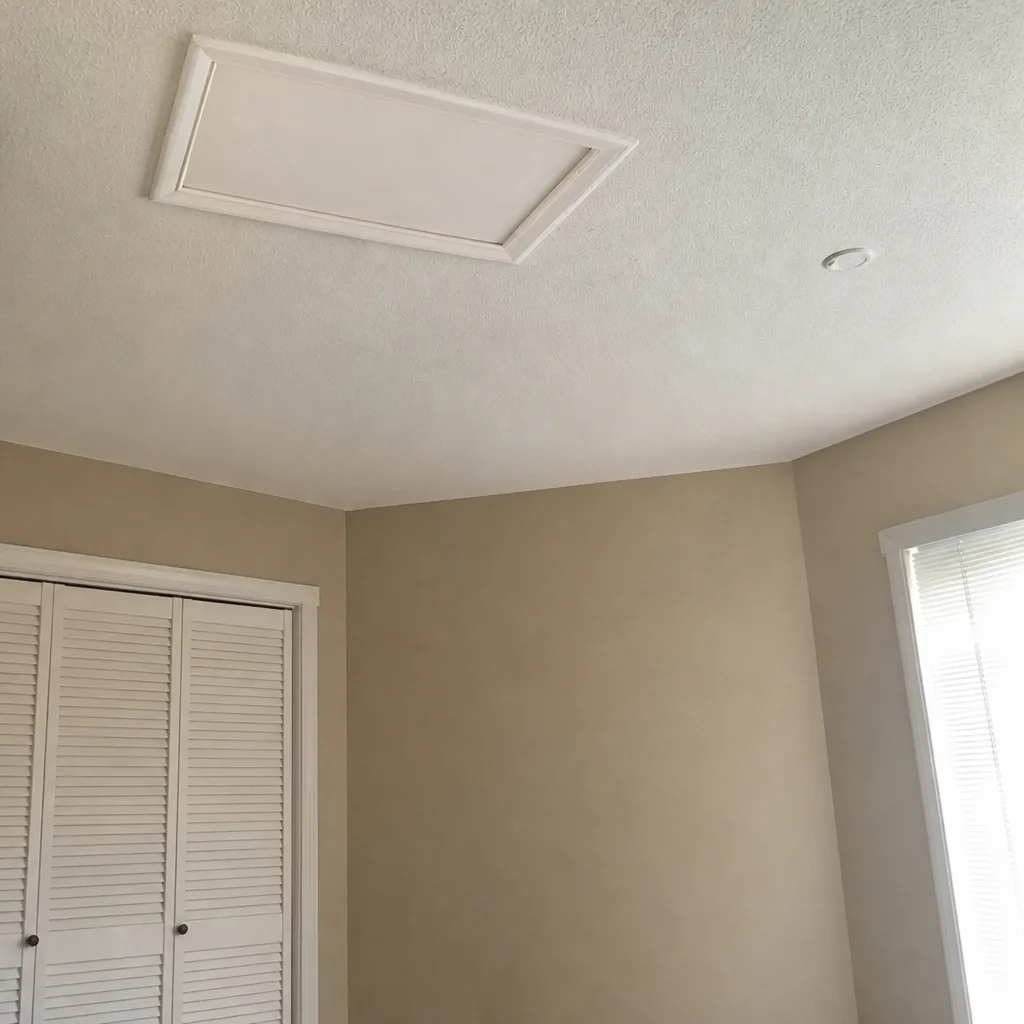
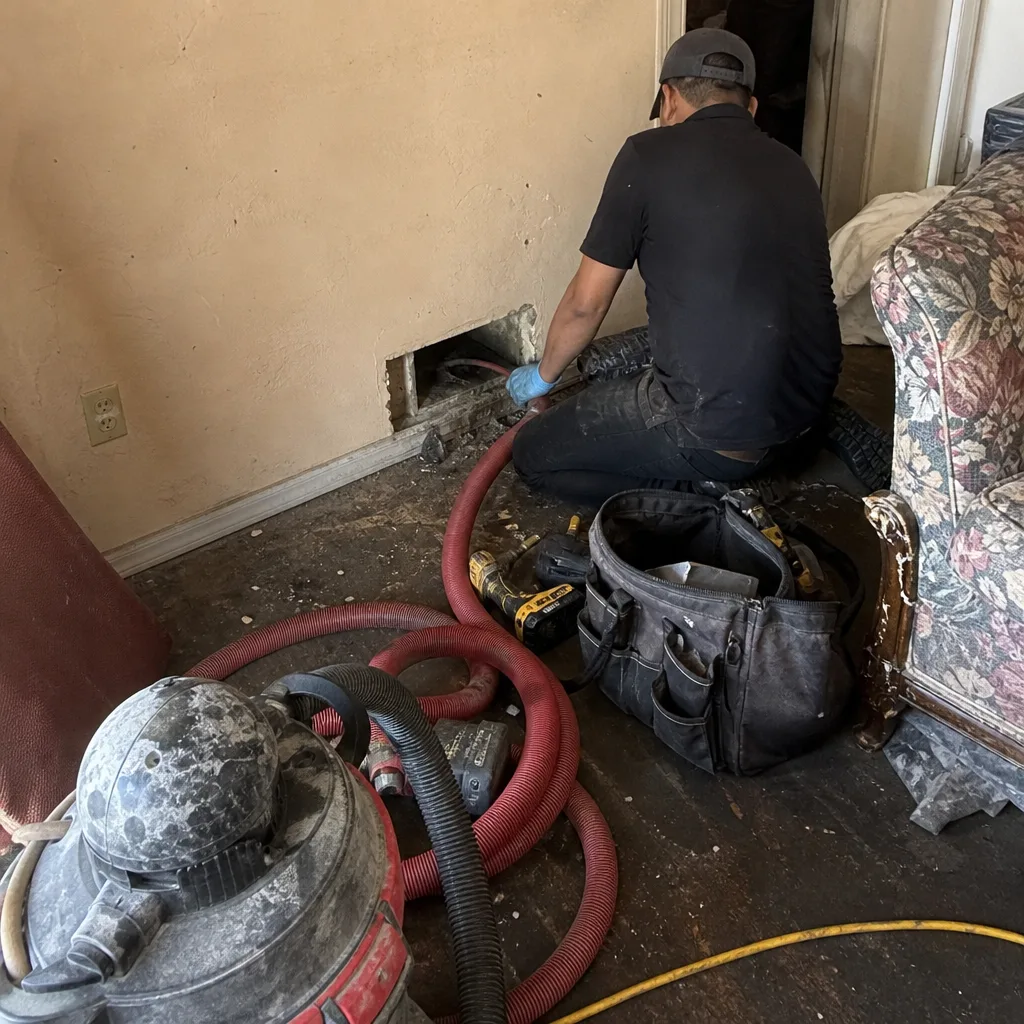
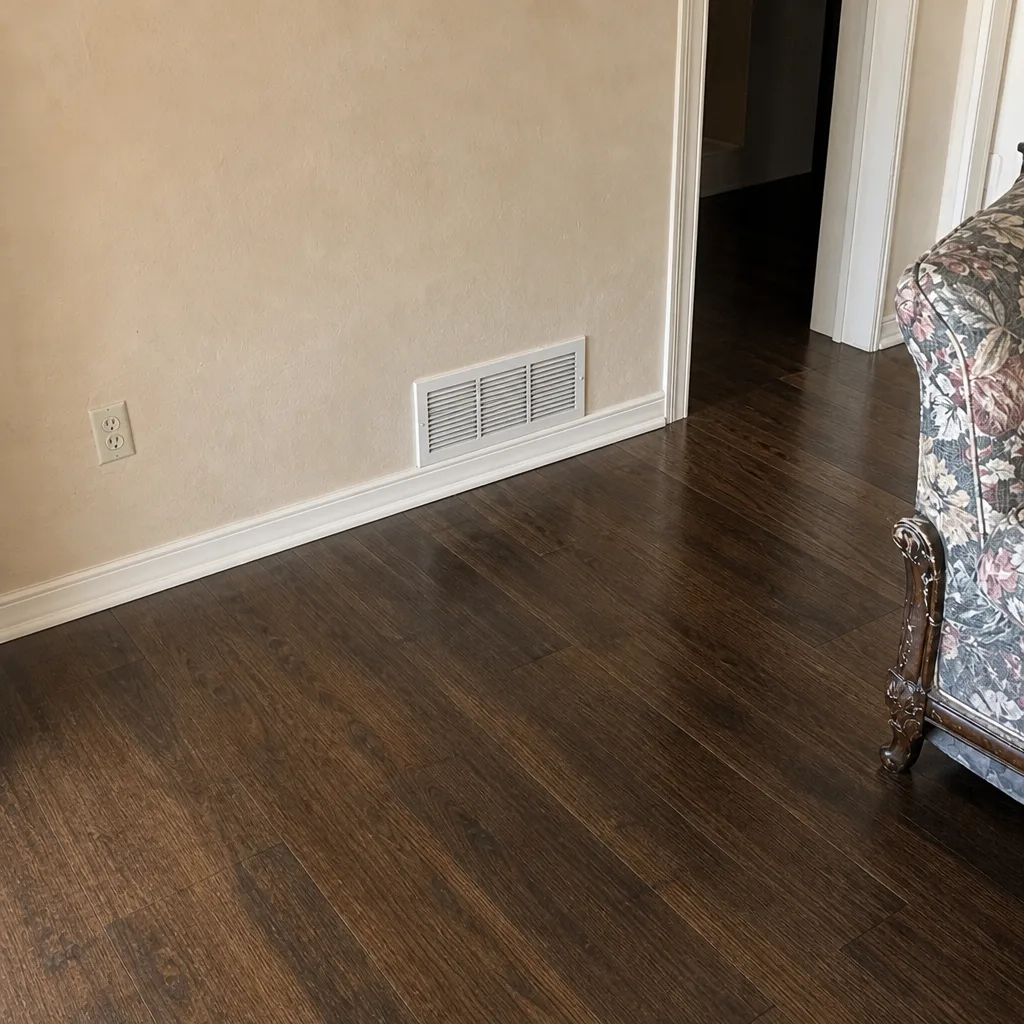
See the difference
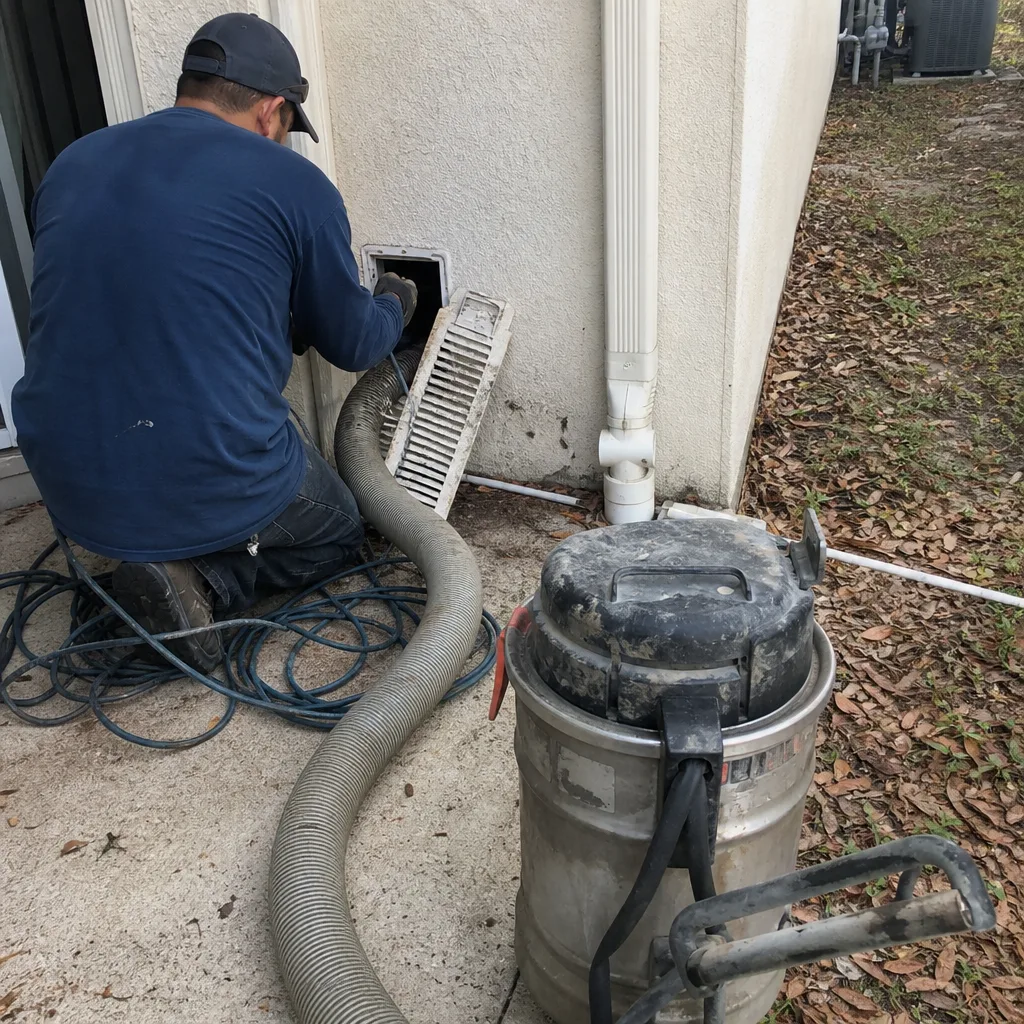 Before
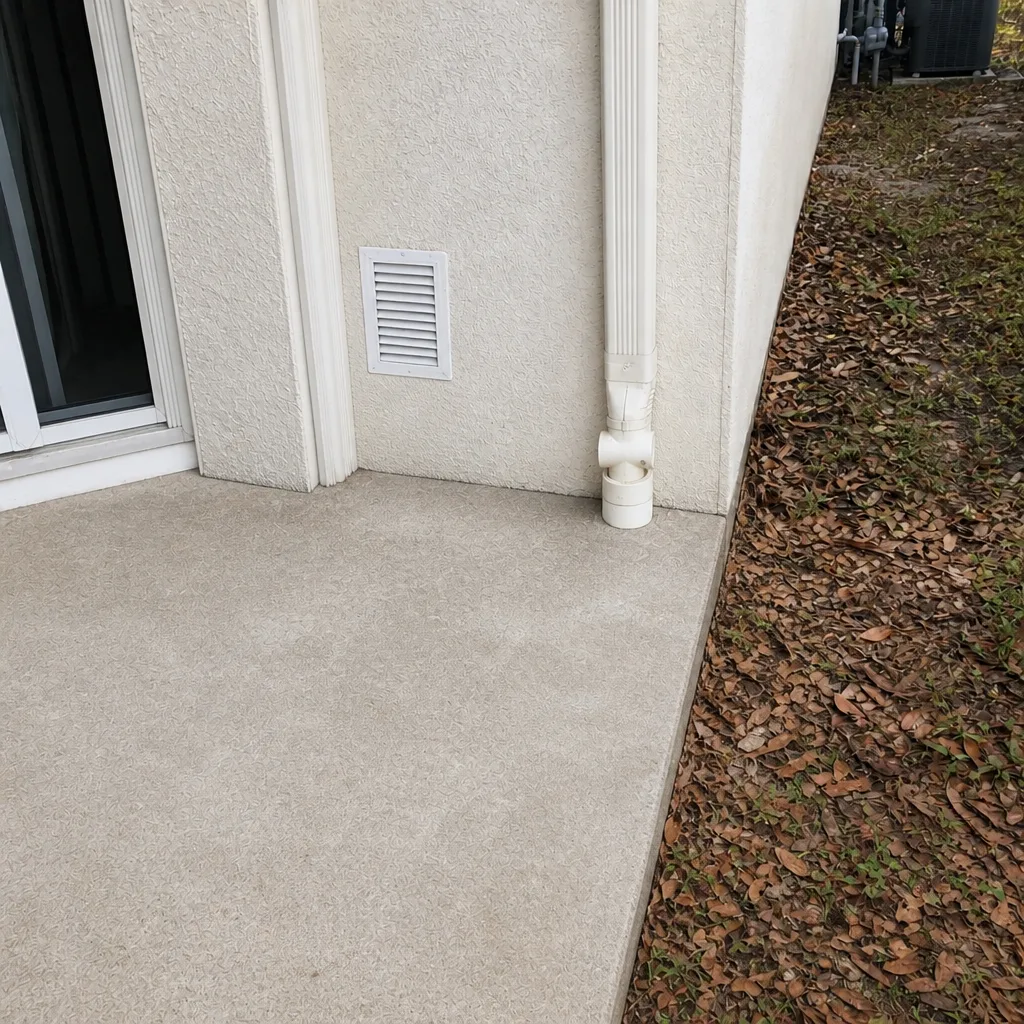 After
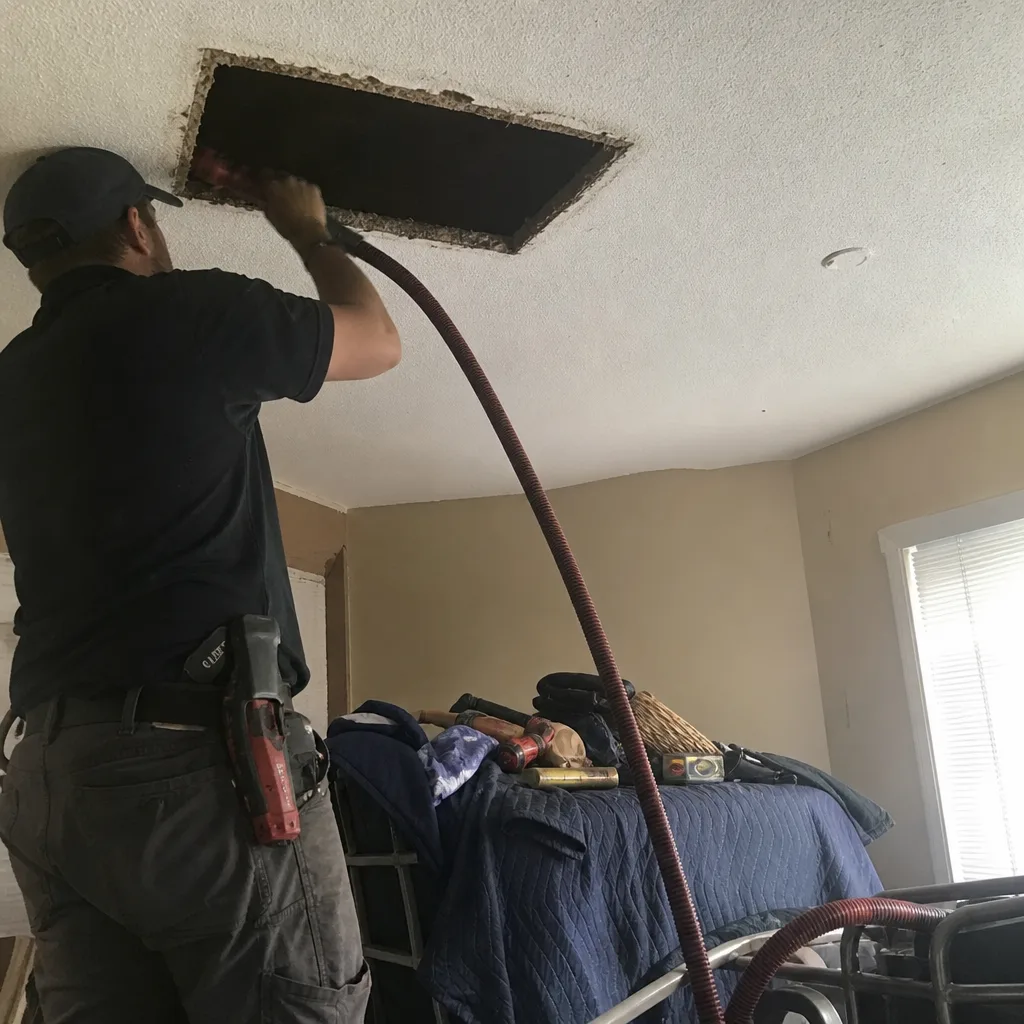 Before
 After
 Before
 After
When to Call a Professional
Most duct cleaning jobs wait until the homeowner is ready. The exceptions are the moments when the delay costs more than the call.
Call a professional if you notice persistent dust in the home within days of cleaning, visible mold on a duct exterior, noticeable sagging in attic flex duct, a musty smell that returns, or a duct system that hasn’t been opened since the home was built. Call if you’re buying or selling a Lehigh Acres home and the duct history is unclear. Call if you’ve had a flood, smoke event, or pest issue that may have introduced debris into the system. And call if you’ve had multiple cleaning companies quote wildly different prices and you want an honest scope in writing. Duct Cleaning Lehigh Acres offers free estimates in Lehigh Acres. Call (855) 554-4780. We can talk through what your system needs, and tell you honestly when the answer is “cleaning is enough.”
Frequently Asked Questions
No. Cleaning the inside of existing ductwork is maintenance and does not require a permit in Lehigh Acres or elsewhere in Lee County. A permit becomes necessary the moment a job involves cutting into ductwork, replacing a section of flex duct, modifying an air handler connection, or otherwise altering the system. If you’re uncertain which side of the line your job falls on, the contractor’s written scope of work should make it clear before work begins. Call (855) 554-4780 if you’d like a second opinion on a quote. Estimates are free.
Duct repair and modification work falls under the Florida Building Code, most directly Chapter 13 (Energy) for insulation and sealing requirements, plus the mechanical provisions for system installation and alteration. Lee County’s building department enforces the code locally. The specific requirements on duct insulation level, joint sealing, and airflow depend on the scope of the job, so the contractor pulling the permit should be able to state them. Call (855) 554-4780 with the scope of your project and we can tell you whether it’s likely to need a permit.
It depends on what the job involves. Cleaning-only work generally doesn’t require an HVAC contractor license, because it’s maintenance to an existing system. Any job that includes duct repair, replacement, modification, or air handler reconnection generally does need an HVAC license, and it usually needs a permit that the licensed contractor files. When you hire for cleaning and the technician finds a problem requiring repair, ask for the license number of the person doing that repair, in writing, before work continues. Call (855) 554-4780 and we can walk through how we handle that step.
Honest pricing is a whole-system range agreed before work starts, not a per-vent figure. In this market, a typical residential cleaning falls somewhere in the low-hundreds to mid-hundreds of dollars for a standard vent count, and that number moves with the number of systems and the condition of the ductwork. Cheap coupon prices in this trade usually grow on the invoice once the technician is in the attic. We quote one flat price per system before the work begins, and the written estimate sets the final number. Call (855) 554-4780 for a free estimate.
Cheap quotes almost always mean one of two things: a lower-powered system that doesn’t fully remove debris, or a coupon-style price that expands after the technician arrives. A real cleaning uses professional-grade equipment with negative-air containment, produces before-and-after photos of your ducts, and offers one flat price per system so the number doesn’t change between quote and invoice. When we clean in Lehigh Acres, those steps are the standard. Call (855) 554-4780 for an honest scope and a written estimate.
Ask for before-and-after photos of your own ducts, not stock images. A professional cleaning captures what was inside before the work started and shows what’s there after. If a company can’t produce those, you don’t have proof the job happened, and that matters during a home sale or an insurance claim. Ask for a written scope, the equipment brand, and the photo pair. Call (855) 554-4780 to schedule an estimate and we’ll show you exactly how we document each job.
The Bottom Line
Duct cleaning as maintenance doesn’t need a permit in Lehigh Acres, but the moment a job touches the system itself, the rules change. Cutting into ductwork, replacing a run, resealing joints, or reconnecting an air handler all generally require a licensed HVAC contractor and a permit through Lee County. The Florida Building Code’s Chapter 13 sets the standard for insulation and sealing when those jobs happen, and it exists in this climate largely because duct leakage is a moisture problem, not just an efficiency one. Our advice is simple. Ask for the written scope before anyone starts, ask whether repair work requires a permit, ask who holds the license for that work, and keep the before-and-after photos and permit documentation in a file. That file protects you when you sell, when you make a claim, and when you hire the next contractor.
Duct Cleaning Lehigh Acres handles air duct cleaning, dryer vent cleaning, and air duct repair as three distinct services under one team. We use professional-grade Rotobrush and Nikro systems with Abatement Technologies negative-air containment, and we’re familiar with Aprilaire and Honeywell whole-home air quality equipment so the cleaning accounts for what’s already installed. Our technicians have up to 8 years of experience. Ducts are all we do. Call (855) 554-4780 for a free estimate. We answer 24/7. Fast dispatch from 7am to 7pm, Sunday through Friday. Estimates are free, and the price you’re quoted in writing is the price you pay.
Written by the team at Duct Cleaning Lehigh Acres.